Let’s Liberate Diversity! News
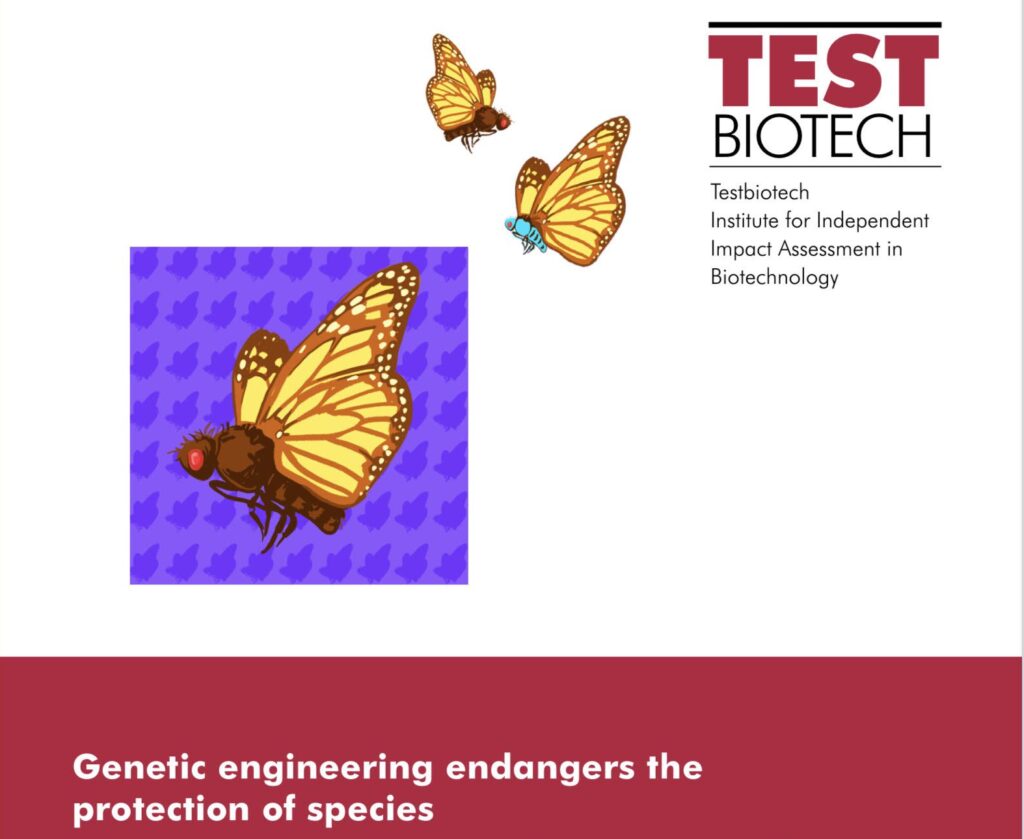
New paper on the possible deregulation of GMO in EU
The European Commission (EC) is set to propose the deregulation of certain genetically
modified (GM) plants that have been produced using gene editing, a set of techniques
within genetic engineering. This report looks at the possible implications and
consequences of such a deregulation for the European Union (EU), considering the Union’s
efforts to achieve wider policy objectives with respect to sustainable food and farming
systems, consumer choice, innovation, competitiveness, and other strategic goals.
In sum, deregulation of certain GM crops and foods could have wide and long-term
implications, not only for the use of specific crop biotechnologies in farming and food
production in Europe, but for the broader sustainable and equitable development of
European agri-food systems. The report argues that these potential implications should
be weighed carefully in a broad and democratic debate, which should prioritise the desired
sustainable directions for European agriculture and food systems, rather than placing a naïve
faith in the supposed power of a singular technological pathway that locks farmers, input
suppliers, food companies and consumers into an input-dependent technology treadmill.
The new report produced by Adrian Ely, Patrick van Zwanenberg, Elise Wach and Dominic Glover for the Greens/EFA group in the European Parliament is available here
ELKANA organised the Organic Farming and Agroecology conference in Georgia
The International conference Organic Farming and Agroecology was organized by the Biological Farming Association Elkana on June 23, 2023, in the Fabrika conference hall. The conference was opened by Elkana Director Mariam Jorjadze and Deputy Minister of Environment Protection and Agriculture Solomon Pavliashvili. Raimund Jehle, the Deputy Regional Representative of the Food and Agriculture Organization (FAO), sent a video appeal specially for the Conference. Beka Urushadze – HEKS-EPER regional director for the South Caucasus, Giorgi Tchumburidze – Economic Advisor of the Danish Embassy, Kim Noelle Kwibuka – Brot fűr die Welt representative (Germany) and Ketevan Khutsishvili – Rural Development Program Manager of the European Union Delegation to Georgia, also welcomed the conference.
The international conference Organic Farming and Agroecology
At the international conference the role of organic and agro-ecological agriculture in improving the agri-food sector and transforming it into equitable and economically, socially and ecologically sustainable system was discussed. The Conference covered the following issues from global, regional and Georgian perspectives:
- Session #1 – Organic Farming Development Tendencies
- Session #2 – Organic and other Quality Marks in Hazelnut Sector
- Session #3 – Agroecology and Farmers’ Rights
- Session #4 – Market access: Practical Examples Benefiting Organic and Agroecological Producers

Local and international experts, as well as farmer organizations from Georgia, the region and beyond from 12 countries presented their findings and experience at the Conference.The conference was attended by about 150 participants – representatives of governmental, international, civil society organizations and scientific institutions; organic and agroecological farmers, companies involved in organic production, and other stakeholders.
In parallel with the Conference, Farmers Fair of local, organic and eco-friendly products was held. After the conference, one- and two-day tours to Elkana conservation farms in Kakheti and Samtskhe-Javakheti were organized for the participants.
Supporters
The Conference was held with financial support from the Danish Development Agency (DANIDA), HEKS-EPER (Switzerland), Brot für die Welt (Germany), Austrian Development Agency (ADA) and Agroecology Fund. And the conference was supported by organizations – European Coordination – Let’s Liberate Diversity, European Coordination Via Campesina (ECVC) and Schola Campesina.
Conference materials (presentations and video recordings of the speeches) are available on the Conference website – www.conference.elkana.org.ge
ELKANA
The Biological Farming Association Elkana, a Georgian non-governmental organization, was founded in 1994. The association membership is open to any citizen of Georgia interested in the development of organic farming in the country, as well as the protection of the environment.
The Association facilitates the improvement of the socio-economic condition of the rural population of Georgia and environmental protection through fostering the development of organic farming, the introduction of agro-ecological practices, diversification of economic activity and increasing self-reliance of the population in rural areas.

Elkana is an active contributor to policy development related to agricultural biodiversity in Georgia – Elkana experts were involved in the elaboration of the agricultural biodiversity part of the first and second National Biodiversity Strategy and Action Plans of Georgia in 2003-2005 and 2011-2013. At the same time Elkana is an active participant of international networks working on agricultural biodiversity conservation, like SAVE Foundation (save-foundation.net), European Coordination La via Campesina, GENET, Bioversity International, Nyeleni – European Food Sovereignty Network, and Slow Food
EU Seed reform under scrutiny: Unpacking criticisms and concerns from ECLLD members
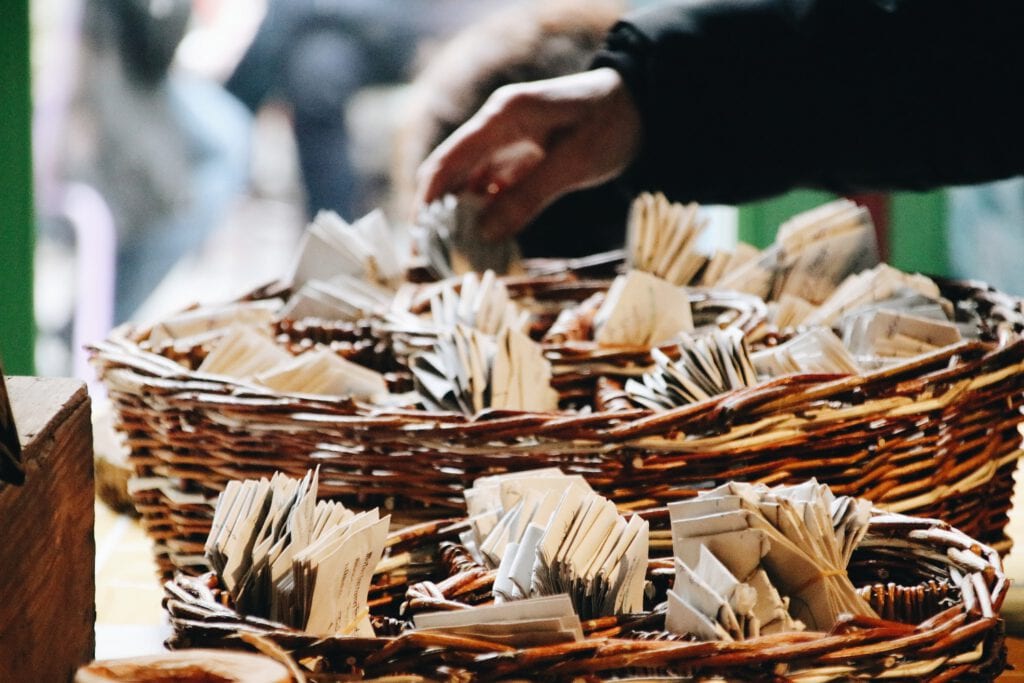
On 5 July 2023, the European Commission proposed a comprehensive Seed Law Reform with the aim of updating the legislation on the production and marketing of plant reproductive material (PRM). While this proposal seeks to enhance the regulatory framework and support sustainable agriculture, it has sparked debates and concerns among stakeholders regarding its potential impacts on agrobiodiversity management.
The key point of the reform have been summarised by Réseau Semences Paysannes (RSP) and is available here (in French)
Concerns on the EU Seed reform
Arche Noah, a prominent advocate for crop diversity, recently published a briefing outlining how the proposed EU seed regulation might pose challenges to preserving and exchanging diverse seeds.
The proposed legislation would make it impossible to build a “seed infrastructure” for sustainable agriculture, as it restricts the conservation and further development of diversity, and pushes back local innovation.
Arche Noah Briefing
Below are the key points raised by Arche Noah in their briefing:
- Restriction on Transfer of Cultivated Plant Diversity: The proposed regulation restricts the free transfer of plant genetic resources for conservation, introducing bureaucratic hurdles that hinder farmers and seed organizations from preserving and selling endangered diversity.
- Failure to Implement Farmers’ Right to Seed: The proposal introduces arbitrary restrictions on farmers, limiting their ability to exchange and sell their own seeds, contradicting their internationally recognized right to save, use, and exchange seeds.
- Inadequate Measures for Widening Access to Diverse Varieties: While the proposal removes restrictions on marketing diverse varieties, it introduces impractical requirements that may hinder small producers from making these seeds available.
- Lack of Focus on Sustainable Agriculture: The proposal’s approach to seed testing falls short in ensuring sustainability, as it does not mandate testing under organic or low-input conditions.
- Positive Impact on Hobby Gardeners: The proposal includes exemptions for hobby gardeners, allowing private seed exchange and sale without mandatory variety certification, recognizing their unique needs and interests.
The full briefing is available here
Furthermore, the Umbrella Association for Crop and Livestock Diversity in German-speaking countries (Dachverband Kulturpflanzen- und Nutztiervielfalt e.V.) has also expressed in a press release significant concerns about the proposal’s shortcomings and potential negative impacts on biodiversity preservation.
The EU Commission’s aim to conserve agricultural plant diversity with the new seed legislation is
welcome – however, the EU Commission’s proposal contains such significant shortcomings that it is
likely to even lead to the contrary, to a loss of biodiversitySusanne Gura – Dachverband Kulturpflanzen- und Nutztiervielfalt e.V.
Susanne Gura, representing Dachverband Kulturpflanzen- und Nutztiervielfalt e.V., highlights the following concerns:
- Limited Exemptions for Diversity Conservation: Exemptions for diversity conservation apply only to formal networks and organizations, overlooking the role of individuals like gardeners and farmers in on-farm conservation.
- Challenges with Unregistered Varieties and Seed Saving: Requirements for registering as operators may discourage seed-saving practices, impacting conservation efforts in home gardens and small farms.
- Restriction on Farmers’ Rights to Sell Farm-Saved Seeds: The proposal restricts farmers from selling seeds of diversity varieties, potentially affecting biodiversity conservation.
- Misalignment with International Objectives: The proposed regulation may not fully align with international objectives for plant genetic resources and peasants’ rights.
- Call for Adequate Legislation to Encourage Conservation Work: The association urges governments to ensure adequate legislation that encourages farmers and gardeners to continue on-farm conservation work, preserving cultural heritage and supporting agriculture in the face of global warming.
For the full text from Dachverband Kulturpflanzen- und Nutztiervielfalt e.V. have a look here
The European Coordination Let’s Liberate Diversity! (ECLLD) continues to facilitate discussions and exchanges on the new EU seed reform. Stay tuned for ongoing updates.
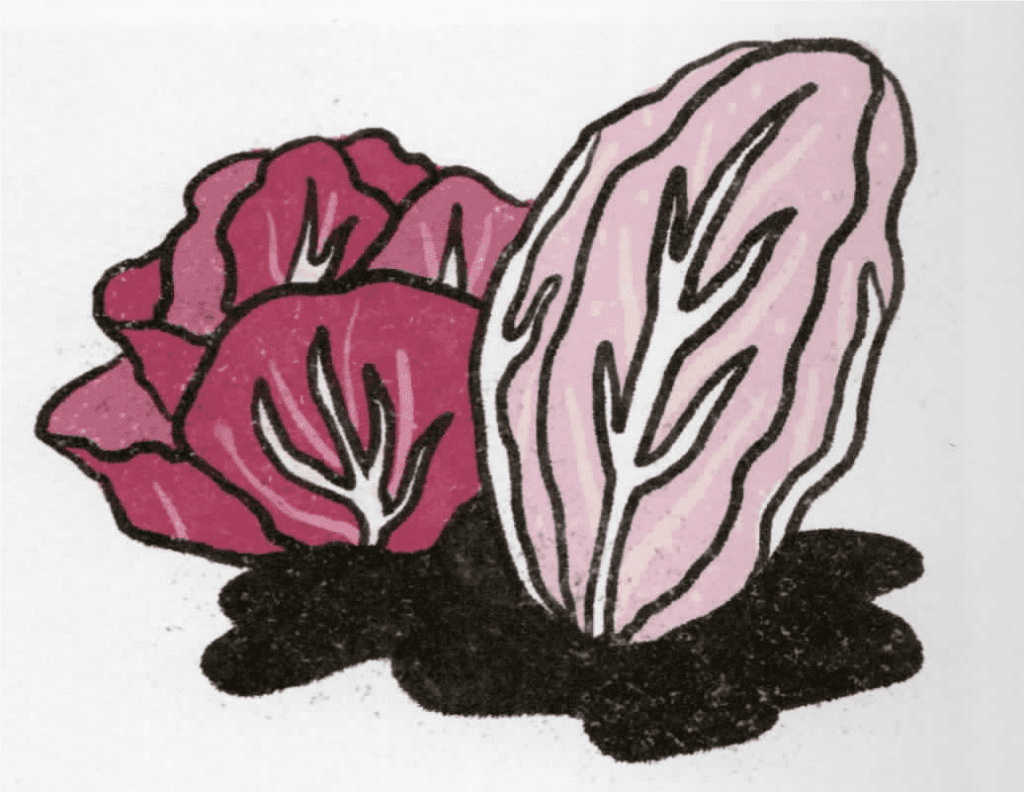
Radicchio: a success story of culinary breeding
The Culinary Breeding Network, founded by professor Lane Selman, aims to build communities of plant breeders, seed growers and other stakeholders to improve quality in vegetables, fruits and grains that are relevant and desirable for organic farmers and their customers.
The Network organizes culinary explorations and other activities to inspire connection and collaboration throughout the food system. Among these was a trip to Italy, visiting the places where radicchio – the most famous form of plant Chicorium intybus – originates from.
Radicchio is an excellent example of selective breeding for culinary purposes, as described in the article written to document the experience:
[…] radicchio di Treviso has been bred for, among other things, this ability to be stored for a very long time. It has been selected, not by deity or chance, but by the cumulative decision-making of thousands of farmers.
Individually, most selection events are unremarkable. A farmer pauses briefly while considering which plants to allow to produce seed, eventually choosing one with a leaf shape that speaks to them, one with a particularly attractive color. Or a field floods and most plants die, leaving only a few hardy survivors to pass their genes to the next generation.
The result of these millions of moments of selection – some coordinated, some idiosyncratic, some entirely random – has been this: A crunchy, bitter, ovoid vegetable so closely linked to this specific Italian region that it is protected by the same laws governing Champagne and Stilton.
[…]
Through selective breeding, we impose our values on domestic plants. Crops like radicchio have evolved, and continue to evolve, in response to human desires: A redder leaf, a more uniform shape, adherence to market standards, the ability to silently grow a crisp, tender heart while buried in a dark, manure-filled corner of a barn through the cold months of winter.
M. Waterbury, Whetstone
Read the whole article below.
Seeding tomorrow
The Gaia Foundation Seed Sovereignty Programme published a video looking at Irish growers who, amongst the chaos of Brexit and climate change, are chasing security and hope for the future by returning to growing and saving seed. Seeds and people have shaped each...
Report “The Right to Seeds in Africa” published
The Geneva Academy, together with policy research think thank The South Center, Swissaid and CROPS4HD, released a new report on UPOV and UNDROP by the title:
The promotion of commercial seed systems and the strengthening of intellectual property (IP) over plant varieties and plant biotechnology in the last 30 years have seriously undermined the customary practices of seed saving, selecting and exchanging by peasants and, consequently their right to seed, as well as impacting agrobiodiversity.
In response to that, the United Nations adopted in 2018 the Declaration on the Rights of Peasants and Other People Working in Rural Areas (UNDROP) to enshrine peasants’ right to seeds in international human rights law.
The report assesses the member states’ obligations under the UNDROP and makes the recommendation that AU and African states recognize the intrinsic value of peasant seed systems and their central role in agrobiodiversity preservation, food sovereignty and climate change adaptation, when considering seeds laws and policies. It further suggests that the right to participation, including of paesant women, is fully taken into account.
ECO-PB Newsletter January 2021
WEBSITE UPDATES Training & teaching materialThe COVID-19 pandemic has created the largest disruption of education systems in history, affecting nearly 1.6 billion learners in more than 190 countries and all continents (United Nations, 2020). To counteract...
To register or not to register, that is the question
Sharing views and experiences around the registration of farmers’ varieties Webinar co-organized by the Alliance of Bioversity International and CIAT and Oxfam NetherlandsDATE: Tuesday, 10 November 2020TIME: 14:00 – 15:30 (UTC+01:00)> REGISTER HERE...
APREBES: Updates on Plant Variety Protection Issue #40, 11 May 2020
the latest issue of APREBES (Association for Plant Breeding for the Benefit of Society) was released #40, 11 May 2020 Here more information https://www.apbrebes.org/ APBREBES...