Speakers
-
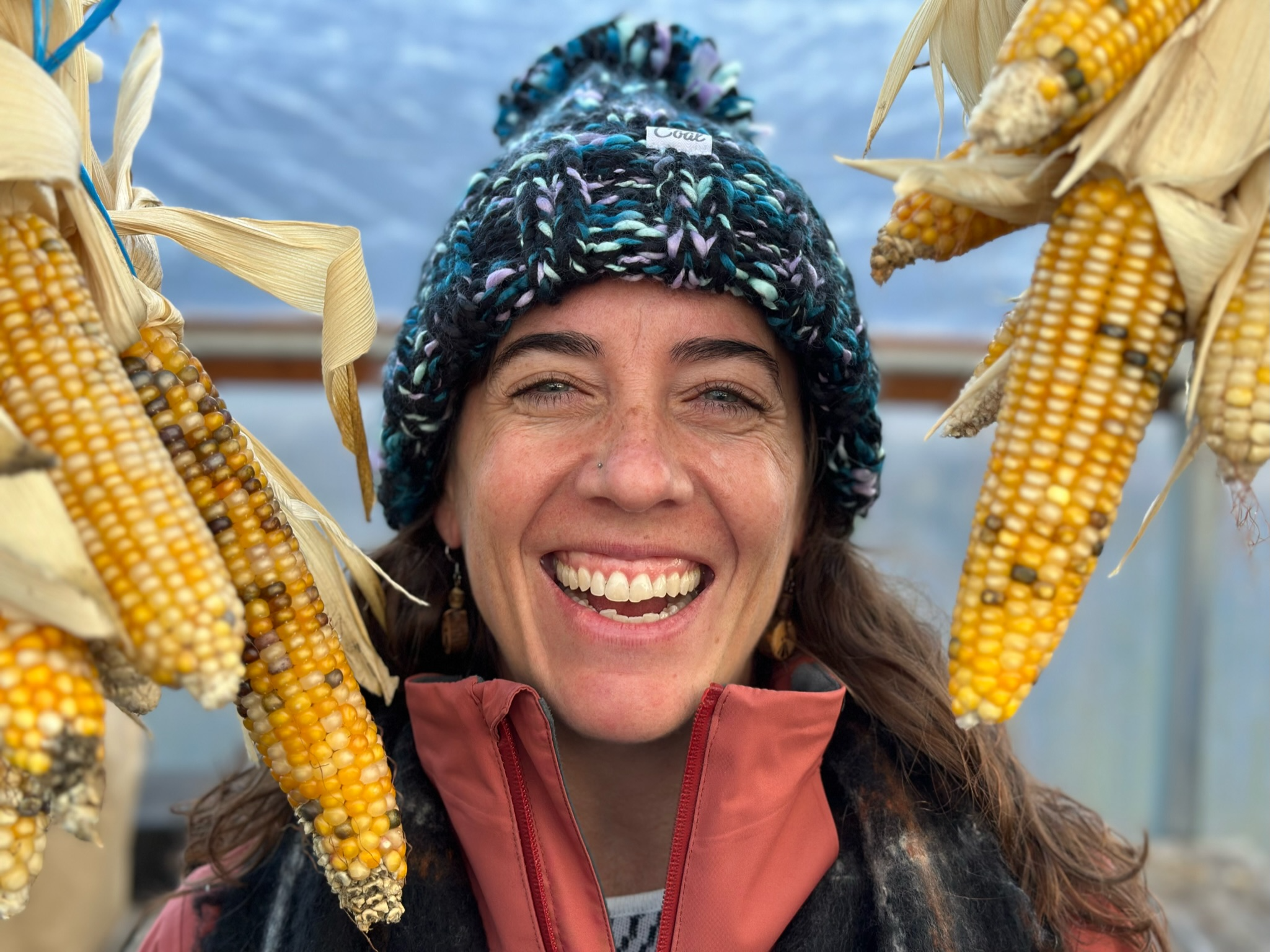 Cathleen McCluskeyOrganic Seed Alliance and University of Wisconsin-Madison (US)
Cathleen McCluskey is the executive director of Organic Seed Alliance, a national organization that conducts research and training with seed farmers and develops policies for organic seed, food, and farming systems, and a lecturer in agroecology and educational policy studies at University of Wisconsin-Madison. Cathleen serves on the National Organic Standards Board, the US Federal Advisory Board that makes recommendations on issues involving the production, handling, and processing of organic products. Her research focuses on the intersections between seed systems, intellectual property, germplasm management and diversity, data access and transparency, and democratization of science and knowledge. Cathleen’s interdisciplinary research and teaching are grounded in practitioner experience and experimental learning, and her advocacy expertise includes participatory policy development that supports farmers’ access to and management of seed, public research, and reinvigoration of public plant breeding. She holds a PhD in Environment and Resources and an MS in Agroecology from the University of Wisconsin-Madison.
-
 Laurajean Rehmke LewisDirector, Genetic Resources Program, CIMMYT (Mexico)
Dr. Laurajean Rehmke Lewis is Director of the Genetic Resources Program at CIMMYT, where she oversees one of the world’s largest public wheat and maize collections, held in trust under Article 15 of the International Treaty on Plant Genetic Resources for Food and Agriculture. Her work centers on ensuring that crop diversity remains a global public good; protected, accessible, and actively used to strengthen food systems worldwide. With more than two decades of experience in national and international crop genetic resources and leadership, Dr. Lewis previously held positions within the U.S. National Plant Germplasm System and served as Executive Director of the Organic Seed Alliance. Her career bridges ex situ conservation, participatory plant breeding, and seed policy across public and farmer-led systems. She brings a balanced perspective to discussions on intellectual property, public research, and seed sovereignty—advocating for strong legal protections for public collections while supporting responsible innovation pathways that expand farmer access. Her focus is on building resilient seed systems where conservation, breeding, and equitable governance reinforce one another for the long term.
-
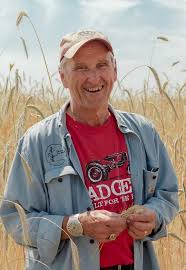 William TracyUniversity of Wisconsin-Madison (US)
William Tracy is a professor in the department of agronomy at the University of Wisconsin-Madison. He is a sweet corn breeder and studies the genetics, biochemistry and physiology of sweet corn quality and productivity. He received a B.S. and M.S. in plant and soil science from the University of Massachusetts Amherst and a Ph.D. in Plant Breeding and Biometry from Cornell University.
Other Organizers

-
University of Wisconsin–Madison
-
Website
https://www.wisc.edu/

-
CIMMYT International Maize and Wheat Improvement Center
-
Website
https://www.cimmyt.org/
WS 2: Seeds in Common: Genebanks, Breeding Innovation, and the Future of Democratic Seed Systems
Public crop diversity is not an abstract ideal. It is a legal and moral commitment embedded in international law. The International Maize and Wheat Improvement Center (CIMMYT) holds its wheat and maize collections as an Article 15 genebank under the International Treaty on Plant Genetic Resources for Food and Agriculture. This means the permanent collection is held “in trust for humanity” within the Multilateral System. Seed is distributed under the Standard Material Transfer Agreement and cannot be licensed or enclosed. These accessions are public goods — freely available to anyone in the world under Treaty terms.
At the same time, germplasm developed by CIMMYT is not automatically bound in the same way as the permanent collection. These materials can be licensed, often in collaboration with public or private partners, typically under Humanitarian Use License frameworks that preserve access for resource-poor farmers while allowing responsible commercialization pathways.
This session is framed within tensions and forms of resistance to a productivist seed system where technologies and policies prioritize production and yield above all else regardless of externalities (Buttel, 2005). Mexico is the center of diversity for maize and smallholder farmers maintain its genetic diversity and continue its evolution. McCluskey and Tracy’s (2024) findings from an empirical study based on semi-structured interviews with maize genetic diversity experts indicate farmers’ seed systems in Mexico, including seed rights and knowledge systems, are threatened by the diffusion of the U.S. industrial maize model which has created homogeneity in U.S. farmers’ fields and data blanks in measuring and monitoring standing genetic diversity through restrictive intellectual property and licenses (McCluskey & Tracy, 2024). This diffusion in Mexico raises concerns about the impacts on both in situ and ex situ conservation of traditional maize and is being carried out through decades of the liberalization of agriculture in Mexico through the North American Free Trade Agreement (NAFTA), the International Union for the Protection of New Varieties of Plants (UPOV), and the recent restructuring of CIMMYT, the largest repository of maize germplasm in the world, modeled off the U.S. industrial seed system.
As consolidation accelerates and IP regimes such as UPOV and trade agreements reshape seed systems, clarity around what is legally protected, what can be licensed, and how public goods are stewarded becomes essential.
Sold out!
Related Events