
15th Let’s Liberate Diversity!
REGISTRATION ARE OPEN UNTIL 30 APRIL
The 15th edition of the LLD Forum will be held in Scandicci from May 23 to 25, 2026, in conjunction with the 5th edition of the 72 Hours of Biodiversity organized by Rete Semi Rurali, Italy.
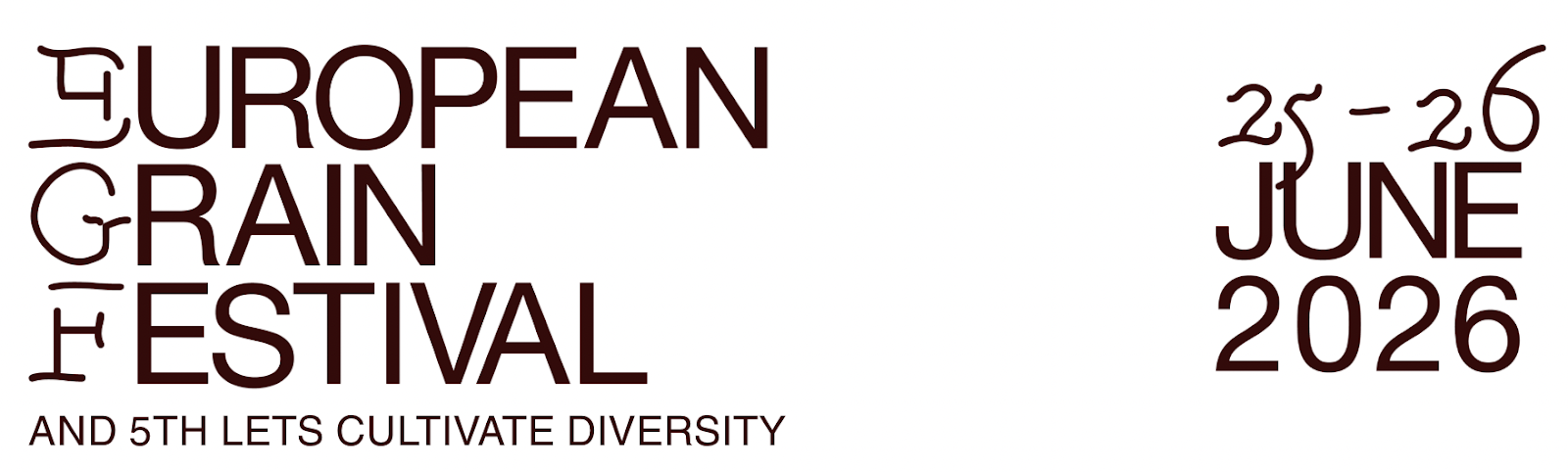
5 th Let’s Cultivate Diversity!
REGISTRATION ARE ALSO OPEN!
The European Grain Festival 2026 in Denmark combines parallel sessions of baking workshops, cooking demos, tastings, field demonstrations, poster sessions and lectures. You will meet and network with experienced bakers, farmers, chefs, processors, breeders and researchers from all over Europe.
—If you aim to produce quality cereal and cereal based food, this is the place to be.
At the heart of the festival you will find a demonstration field displaying hundreds of diverse grain varieties from all over Europe.
USE IT or LOSE IT
The European Coordination Let’s Liberate Diversity! (ECLLD) is an international nonprofit organization dedicated to the dynamic management of plant genetic resources for food and agriculture.
Our core belief is that the diversification of our food systems can be achieved through the collaborative efforts of various stakeholders involved in cultivated biodiversity.
The Coordination boasts a robust network of 22 members with a network of 170 national organizations operating across 21 European countries with a membership base exceeding 35,000.
In collaboration with approximately 15,000 farmers, we actively engage in the conservation and management of around 40,000 plant varieties.

Where we are
We want to bring diversity back in our food system!
Countries across all the Europan Region
Staff and volunteers
Organisations part of the network
Varietes maintend and managed by the network
Individual Members
Farmers and gardeners involved in dynamic management of cultivated biodiversity
What we do
As an influential platform, EC-LLD! serves as a unique space for facilitating the exchange of practices and information among farmers, seed savers, NGO members, and emerging small enterprises, fostering local actions on agrobiodiversity and promoting participatory dialogues.
Our proven expertise extends to our participation in projects funded by Horizon Europe, Erasmus+ and Horizon 2020. Furthermore, we have established successful collaborations with a diverse range of foundations and academic institutions.
Our work span across the 3 following areas

policy
Capacity building and knowledge sharing regarding agrobiodiversity, seed policies and legislastion.
policy
Capacity building and knowledge sharing regarding agrobiodiversity, seed policies and legislastion.
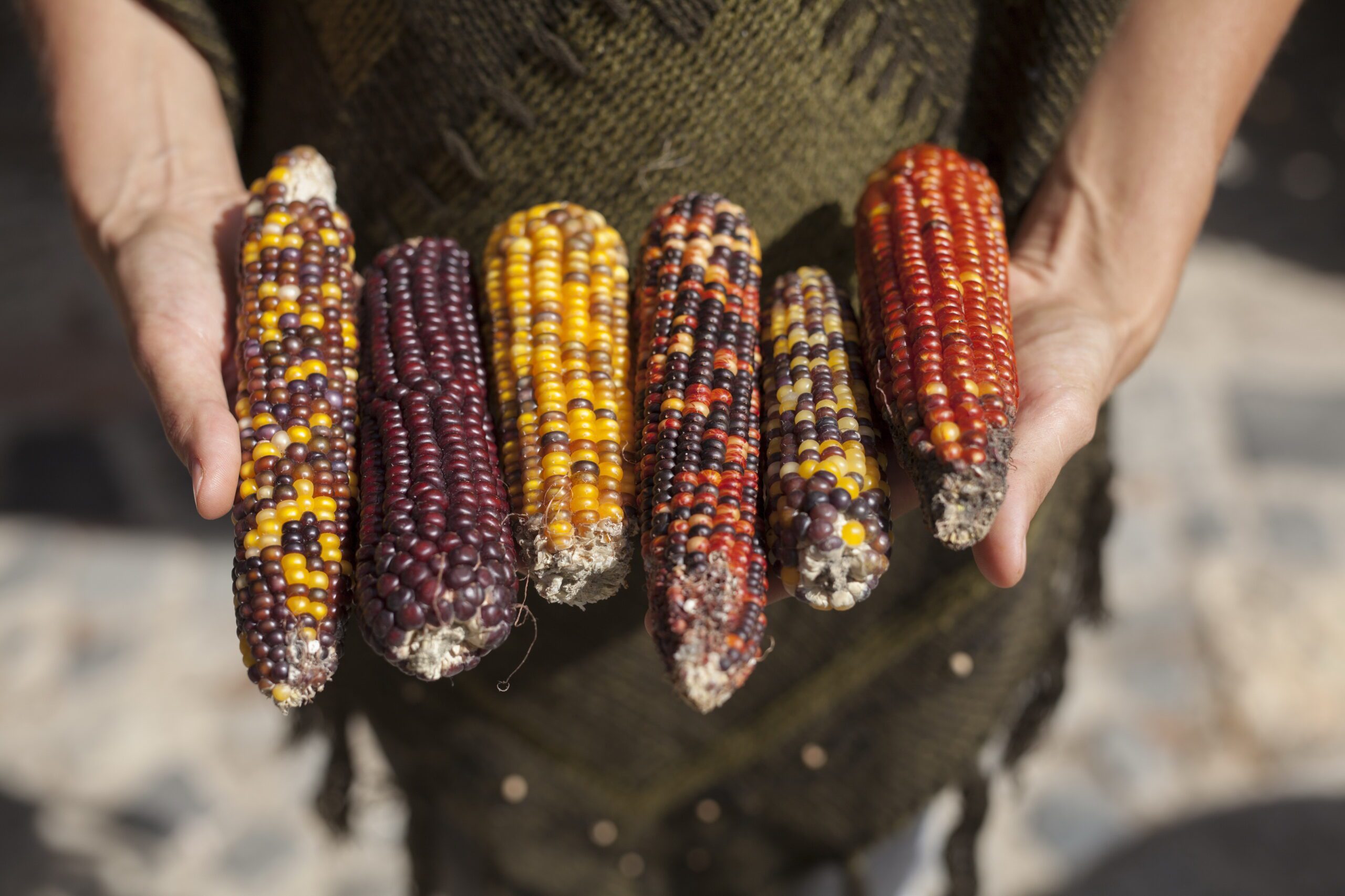

Communities seed banks
Training, support and management across Europe.
Communities seed banks
Training, support and management across Europe.

Communities
Facilitating peer to peer exchange of practices and information between different actors.
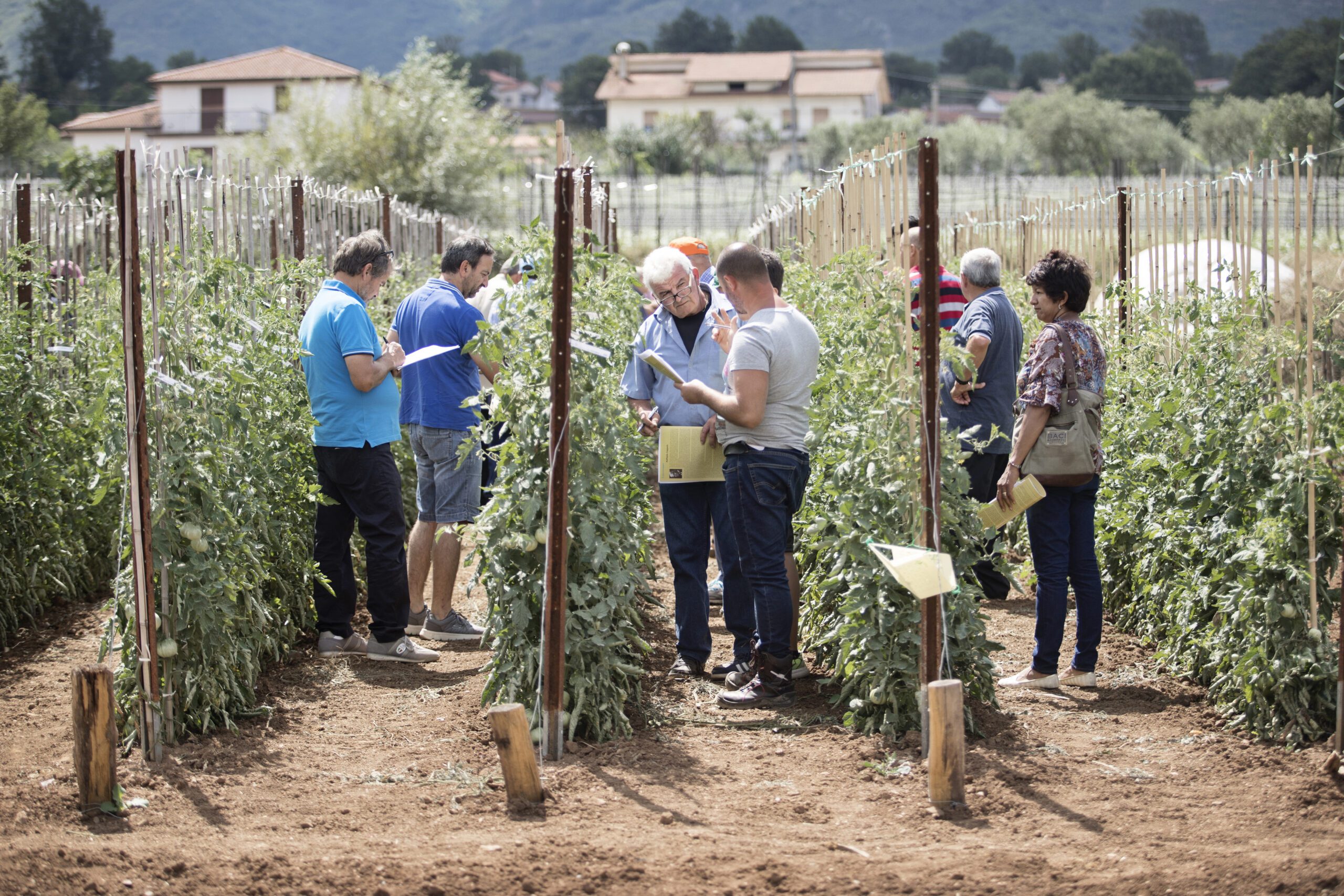
Communities
Facilitating peer to peer exchange of practices and information between different actors.
NEWS

APBREBES Newsletter #62
The April issue of the newsletter of the Association for Plant Breeding for the Benefit of Society (APBREBES) reports on the UPOV negotiations concerning smallholders and the interpretation of the exception of private and non-commercial use of plant propagation material. It also covers patents on plants and regulation for the New Genomic Techniques (NGTs) in Europe.
Here is the detail of the content table:
- UPOV Turns a Deaf Ear to the Concerns of Smallholder Farmers
- New Genomic Techniques and Intellectual Property Law: Challenges and Solutions for the Plant Breeding Sector
- African Perspectives on Agroecology – Why Farmer-led Seed and Knowledge Systems Matter
- Advancing Agrobiodiversity – Why Organisations of Smallholders and Indigenous Peoples are Vital
- African Free Trade Agreements and Intellectual Property
Read the newsletter on APBREBES website.
You can subscribe to receive the monthly newsletter direct in your mailbox.

New genomic techniques passed EU parliament! Press releases from ECVC and FoE
The European Parliament confirmed its support for the deregulation of patented GMOs/NGTs, and opened the door to their dissemination without any traceability through the regulation on seeds marketing
On 24 April 2024, all MEPs voted on two files that are absolutely essential for peasants’ rights on seeds and the future of European agriculture, in particular the GMO-free agricultural sector and peasant agroecology.
In a recent press release, the European Coordination Via Campesina (ECVC) strongly condemned the European Parliament’s vote in favor of deregulating genetically modified organisms (GMOs) obtained through new genomic techniques (NGTs). Despite unresolved issues such as the extension of patents, violation of the precautionary principle, and lack of essential information from European agencies, the Parliament proceeded with the vote, disregarding concerns raised by peasant organizations and the GMO-free agricultural sector.
The ECVC press release is available here: https://liberatediversity.org/wp-content/uploads/2024/04/25-04-2024-PR-NGT-and-PRM-Votes-EP-Plenary-EN.pdf
Friends of the Earth Europe (FoE) also criticized the decision, highlighting its detrimental effects on food and environmental safety. The approved legislative proposal exempts new GMOs from safety checks and reduces the liability of corporations selling them, undermining the precautionary principle in EU policymaking and leaving a significant gap in regulatory coverage.
The press release from FoE is available here: https://friendsoftheearth.eu/press-release/eu-parliament-vote-on-new-gmos-a-blow-to-food-environmental-safety/
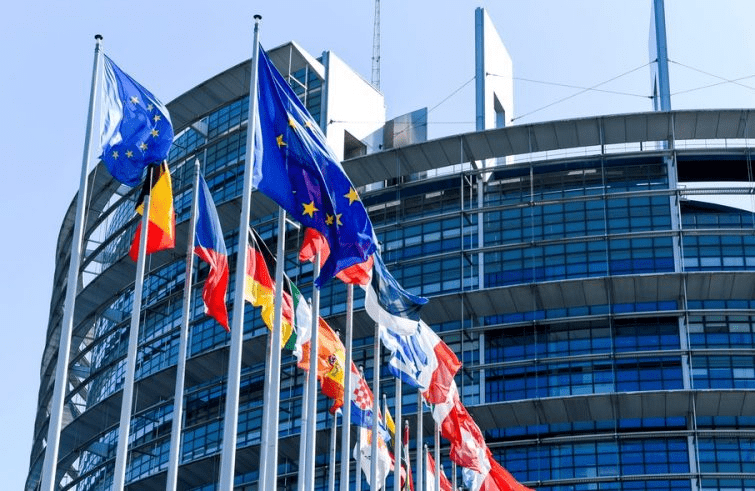
Results of the European Parliament vote on Plant Reproductive Materials
Vote on EU seed law: Industry attack on diversity largely defeated EU Parliament votes in favour of farmers’ right to seeds – but fails to strengthen the preservation of local and traditional varieties
text adopted available:
https://www.europarl.europa.eu/doceo/document/TA-9-2024-0341_EN.html
Schiltern, Vienna, Strasbourg – 24 April 2024, the plenary of the EU Parliament in Strasbourg voted on the new EU seed law. ARCHE NOAH takes a mixed view of the decision on new rules for the production and marketing of seeds and other plant propagating material. Despite aggressive lobbying by the seed industry and its lobby group Euroseeds in recent days, a majority of MEPs supported the constructive proposal of the Agriculture Committee in almost all points.
“With today’s decision, the European Parliament has recognised that seed diversity is vital for our farmers,”
Magdalena Prieler, seed expert at ARCHE NOAH
The European Parliament’s decision safeguards the age-old tradition and the right of farmers to exchange small quantities of their own propagating material with each other for free or for monetary compensation – a practice that has been practised for generations and strengthens resilience and independence in agriculture. The resolution also grants farmers continued access to traditional varieties such as the old tomato variety Rotes Herz, the Steinfelder Tellerlinse, Laaer Zwiebel and Laufener Landweizen. It also frees them, as well as conservation initiatives, from new bureaucratic regulations. All these points in the report by Herbert Dorfmann, the rapporteur in the responsible Committee on Agriculture, were strongly opposed by the seed industry. Nevertheless, they were ultimately supported by the Social Democrats, the Greens and the Left, as well as parts of the European People’s Party and the liberal Renew Group.
However, the industry lobby has prevailed on one point that is essential for saving traditional and local varieties. The transfer of endangered varieties for the purpose of their conservation should have been exempted from the scope of seed law. This possibility has now been severely restricted. Only established conservation organisations are now allowed to make use of this exception.
“Many actors in Europe contribute to saving the diversity of varieties, including local seed producers, individual farmers, but also public initiatives such as seed libraries. Today’s decision failed to create a clear legal framework for this work which is so important to society as whole. This is disappointing and unacceptable.”
Magdalena Prieler, seed expert at ARCHE NOAH
The industry claimed this exemption would lead to “uncontrolled parallel markets”. In reality, it was about the transfer of very small quantities, for example 500 grams of vegetable seed per year. “The industry used scaremongering and false arguments to persuade MEPs to reject the recommendation of the specialist committee. Diversification and variety on the field are the most effective tools we have to mitigate the negative effects of the climate crisis in agriculture, such as extreme weather conditions or new diseases and pests.”

ARCHE NOAH and other seed initiatives from all over Europe have contacted MEPs in recent days to inform them about the threat to diversity and to demand farmers’ right to seeds. “We would like to thank our supporters who have made this campaign possible and all those who have sent seed packets to the EU Parliament or called MEPs themselves in the last few days and weeks,” says Prieler.
This work will continue after today’s vote. The decision now forms the basis for the European Parliament’s negotiations in the trialogue with the EU Commission and the Council of Agriculture Ministers on the final legislative text. Negotiations are not expected to begin until the end of 2024. A progress report by the Belgian Council Presidency and a discussion by the EU Agriculture Ministers is planned for the last Council meeting before the summer break, on 24 and 25 June 2024. “We call on the Council of EU Agriculture Ministers to resist the pressure from the seed industry. We need a secure basis for a sustainable, resilient and diverse food system,” says Magdalena Prieler from ARCHE NOAH. “Agriculture Ministers must actively ensure that local varieties, regional cuisine and farmers’ right to seeds are not jeopardised by global corporations.”
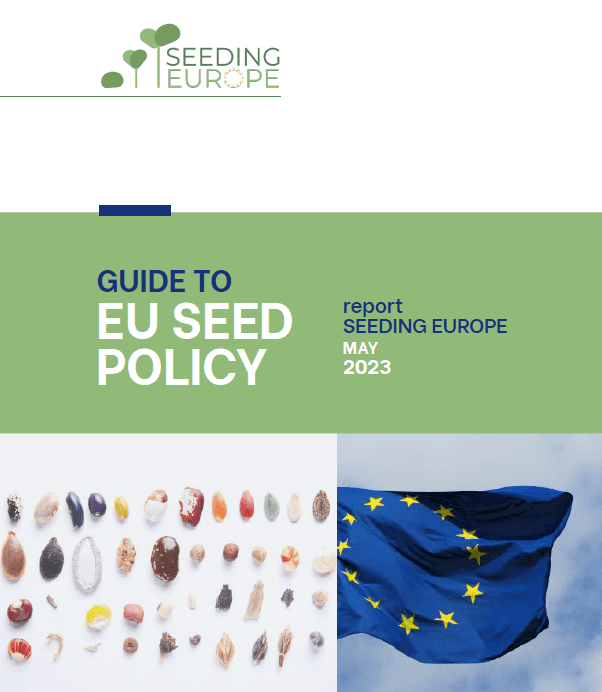
To know more about seed policy processes in the European Union, have a look at the Seed Policy Guide developed by EC-LLD in collaboration with Arche Noah and Kybele through the Seeding Europe Erasmus+project
Seeds and Migrants – DiverSeedPaths Project Launches with Kickoff Meeting!
We are excited to announce the official launch of the DiverSeedPaths – Seeds and Migrant project! Our journey towards cultivating resilient and inclusive communities through the lens of agricultural biodiversity and seed co-evolution is about to begin.
What is DiverSeedPaths? At the heart of DiverSeedPaths lies the mission to facilitate knowledge exchange and collaboration between migrant communities and stakeholders in agricultural biodiversity and seed conservation. Through this project, we aim not only to preserve migrant communities’ invaluable knowledge but also to foster co-creation with European organizations, farmers, and citizens dedicated to enhancing the diversity and resilience of our food system.
Objectives:
- Promote Inclusive Exchanges: Facilitate equitable exchanges between migrant communities and European institutions concerning cultivated biodiversity and seeds.
- Enhance Capacity and Foster Action: Increase awareness and action among citizens, farmers, and seed savers to combat climate change and enhance the resilience of our food system.
The main activities includes:
- Seeds, Ideas and People Stories – Events in Greece Volos 18-19th May 2024, Thessaloniki (TBC) 7th July 2024
- Training on policy, legislation, community seeds banks and seeds & resilience Remote and in person – dates TBD
- Sow your resistance – International gathering on cultivated biodiversity Antibes, France 30th Sept- 6th Oct

Who is implementing DiverSeedPaths?
The project is implemented by a consortium of 3 organisations members of the European Coordination Let’s Liberate Diversity.
- AEGILOPS Network for Biodiversity and Ecology in Agriculture, founded in 2004, is a network of ecofarmers in Greece. Their main activities are the conservation of heritage varieties/traditional agricultural knowledge and on the other hand, the reintroduction of these varieties into everyday agricultural practice (on farm conservation). Among the main targets of AEGILOPS is also to upgrade the farmers’ role on in the preservation of biodiversity in their agroecosystems as well as to support their rights to take part in the management and share the benefits of agrobiodiversity.
- The Réseau Semences Paysannes (Farmers’ Seeds Network) leads a movement of collectives rooted in the regions that renew, disseminate and defend farmers’ seeds, as well as the associated know-how and knowledge. These collectives are inventing new seed systems, a source of cultivated biodiversity and autonomy, in the face of the industry’s monopoly on seeds and its patented GMOs. In 2024 they are 80 organisations that have come together to promote and defend cultivated biodiversity and the related fields of knowledge
- The European Coordination Let’s Liberate Diversity! (ECLLD) is an international nonprofit organization dedicated to the dynamic management of plant genetic resources for food and agriculture. Our core belief is that the diversification of our food systems can be achieved through the collaborative efforts of various stakeholders involved in cultivated biodiversity.
Stay Updated:
For more information about the DiverSeedPaths project and future events, please visit the project page on our website.
Funded by the European Union. Views and opinions expressed are however those of the author(s) only and do not necessarily reflect those of the European Union or the European Education and Culture Executive Agency (EACEA). Neither the European Union nor EACEA can be held responsible for them.
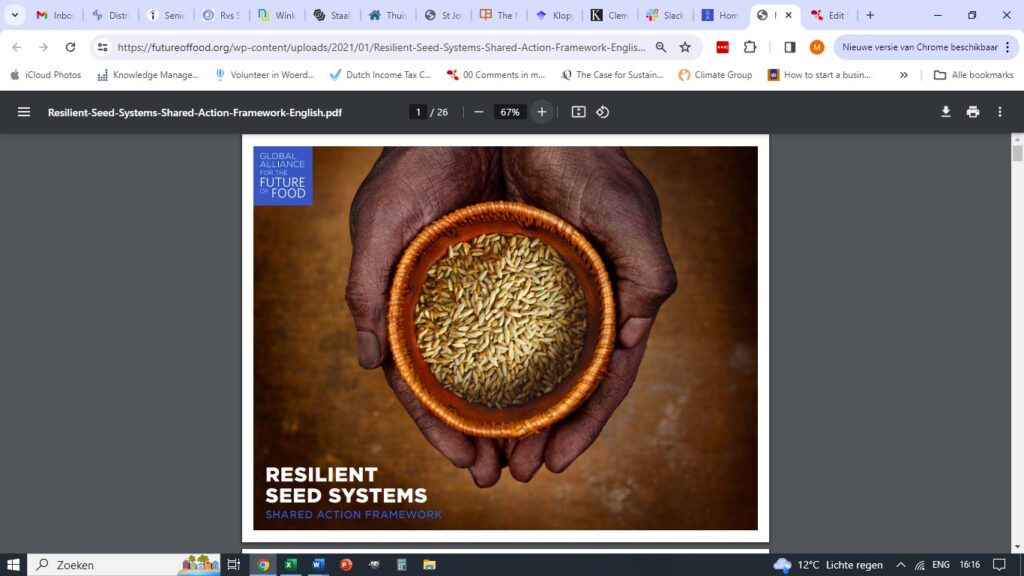
Resilient Seed Systems: Shared Action Framework
The Global Alliance for the Future of Food summarised the output of a stakeholders workshop in Mexico and subsequent inputs into a framework for shared action on resilient seed systems.
The framework attempts a definition of resilient seed systems around the following principles:
- Diverse
- Complex and dynamic
- Equitable and right-based
- Renewable
- Healthy
- Interdependent
- Intergenerational
and provides a brainstorming tool for strategic action at the local, national and global levels along the following dimensions:
- Policy and advocacy
- Research and education
- Platform and alliances
- Communcation
- Financing
The Nagoya Protocol and nitrogen-fixing maize
A new paper by Jack Kloppenburg, analysing a case of piracy of nitrogen fixing maize germplasm from Indigenous communities, is available with open access online under the title: The Nagoya Protocol and nitrogen-fixing maize: Close encounters between Indigenous Oaxacans and the men from Mars (Inc.).
Kloppenburg, J., Calderón, C.I., Ané, J.M. (2024) The Nagoya Protocol and nitrogen-fixing maize: Close encounters between Indigenous Oaxacans and the men from Mars (Inc.), Elementa: Science of the Anthropocene 12 (1): 00115, https://doi.org/10.1525/elementa.2023.00115
Is the EU Commission NGTs deregulation proposal science based?
At the end of last year, the French Agency for Food Safety, Environment and Labour Protection (ANSES) published a statement on the EU Commission’s deregulation proposal for new genomic techniques (NGTs, NBTs or new GMOs), which ENVI voted in favour of yesterday. The opinion expresses doubts on the scientific basis of some of the claims made in the proposal.
Read the ANSES opinion in English on their website.
Download the full document in French.
A commentary of the French document appeared on a blog post by the title New genetic techniques: when science meets the EU Commission and (vested) interests by former SPD State Secretary, German Christoph Habermann.
Read in German.

Organic Heterogeneous Material: new operators’ tutorial
A new tool has become available on the Organic Farm Knowledge portal produced by Seed4all and Artemisia, which explains the new Organic Heterogeneous Material (OHM) regulations, and indicates how new operators can enter this new and important market to support agrobiodiversity.
OHM is a new category of seeds which can be used in organic farming in the EU, but also for home gardening and of course adopted in conventional farming if desired.
Because OHM is not a variety, or a mix of varieties, Plants Breeders’ Rights (PBR) do not apply to OHM. The new regime for OHM also derogates from the existing EU legislation on the marketing of seeds; therefore, operators do not need to be registered to sell seeds and they can sell OHM belonging to any of the categories covered in the 11 sectoral directives on seed marketing,
Watch the video for all the details:

Taking action together for a better EU Seed Law
Arche Noah has released the recordings of the workshop Taking action together for a better Seed Law from last November, together with the presentation slides, which contain a useful timeline for action (see post picture). Arche Noah’s advocacy package also contains a position paper on the regulation proposal, highlighting the following issues which impact agrobiodiversity and farmers’ rights:
- The proposal endangers the remaining diversity of cultivated plants
- It creates problems for the conservation of fruit diversity
- It fails in its attempt to make diverse varieties more widely available by creating new regulatory costs
- It bans imports of seeds from gene banks and of conservation and amateur varieties
- It fails to prevent the misappropriation of PRM circulated in conservation networks or farmer seed systems
- It undermines the recently adopted EU Organic Regulation
- Besides, it fails to implement farmers‘ right to seed
- It allows firms to make false sustainability claims
- It also fails to provide sufficient transparency for farmers and gardeners on the seeds they buy
Seed legislation, seed marketing, advocacy, seed systems, scientific publication, school and seminar, patents
Agrobiodiversity, seed savers, seed networks
Plant breeding, LLD Forum, news from members, news from other organizations
– SEEDS STORIES –
DO YOU WANT TO STAY UPDATED??

The ECLLD - News! informs about events, ongoing projects and insights regarding cultivated biodiversity at European level.
We are very pleased with your interest in our challenges, our diversity is our strength!
-COMMON CALENDAR –
 On Schedule
EC-LLD! General Assembly (for EC-LLD! members only)Field Visits
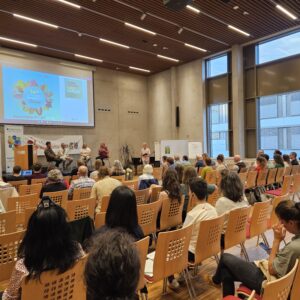
- On Schedule
Official opening of the ForumField Visits
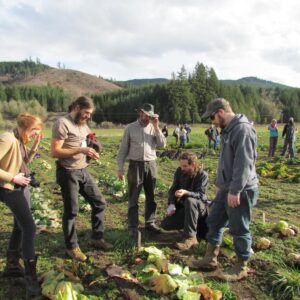
- On Schedule
WS1: Seeds, Biodiversity and the Right to Food: The Role of Municipal Food Policies
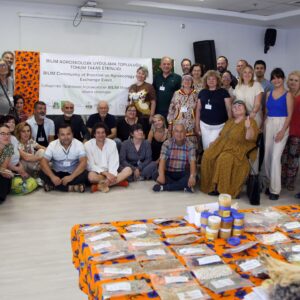
- On Schedule
WS 2: Seeds in Common: Genebanks, Breeding Innovation, and the Future of Democratic Seed Systems Sold Out
- On Schedule
WS 3: On-farm agrobiodiversity in the Balkan region: from preservation to plant population development
Submit an Event
Legal Watch
The legal watch is realised by the French Farmers’ seeds network, Réseau Semences Paysannes. Informations are related to seeds marketing, intellectual property rights, genetic ressources.
It is presented in French.
on EU topics
- Plateforme ACLP, Communiqué du 27 février 2025 - L’ACLP participe à la table ronde sur la propriété intellectuelle et les semences au Salon international de l’agriculture de Paris 2025
- Convention sur la diversité biologique, Communiqué du 24 février 2025, Le Fonds de Cali est lancé en marge de la reprise de la session de la COP16
- OMPI, Communiqué du 5 décembre 2024 - Le Malawi est le premier pays à ratifier le Traité de l’OMPI sur la propriété intellectuelle, les ressources génétiques et les savoirs traditionnels associés
- Confédération suisse, Avis du Conseil fédéral sur le rapport de la CSEC-N relatif à la prolongation du moratoire sur le génie génétique, 29 janvier 2025
- ACLP, Communiqué du 5 février 2025 - L’ACLP organise une session d’information pour les décideurs politiques de l’UE