Summary of FAO/Bioversity events (July 2018) on community seedbanks: roles, country examples, lessons and recommendations for legal recognition, technical support, networking and seed-quality improvements.


Summary of FAO/Bioversity events (July 2018) on community seedbanks: roles, country examples, lessons and recommendations for legal recognition, technical support, networking and seed-quality improvements.
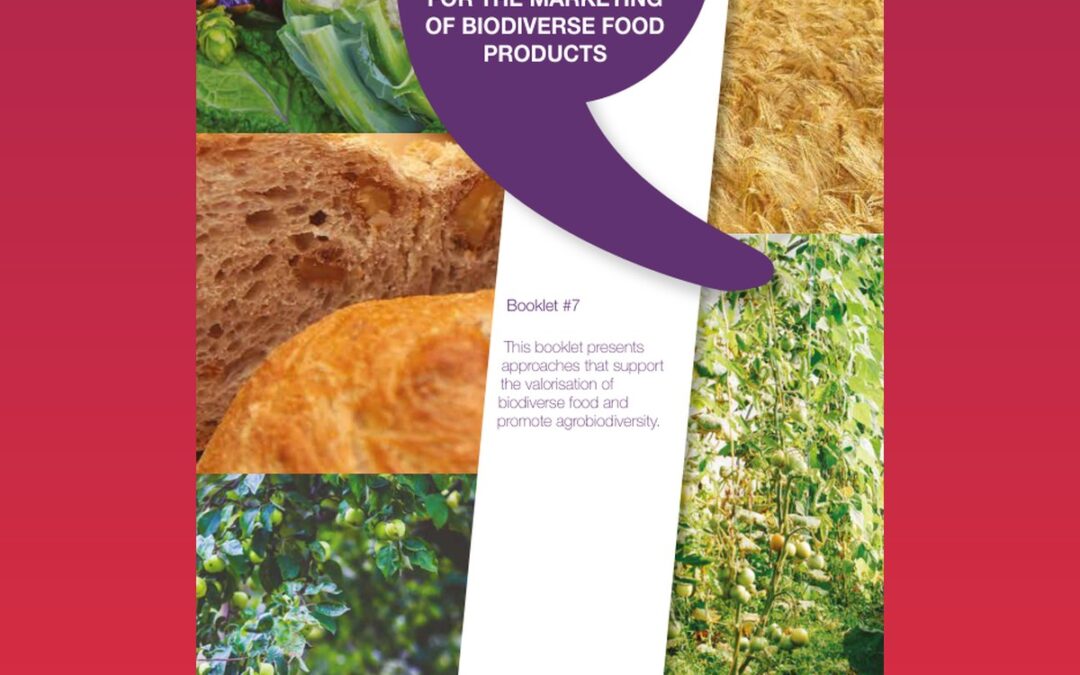
Practical guidance from DIVERSIFOOD on valorising biodiverse food: multi‑actor networks, marketing, seed availability, communication, pricing, trust and an evaluation matrix for product development.
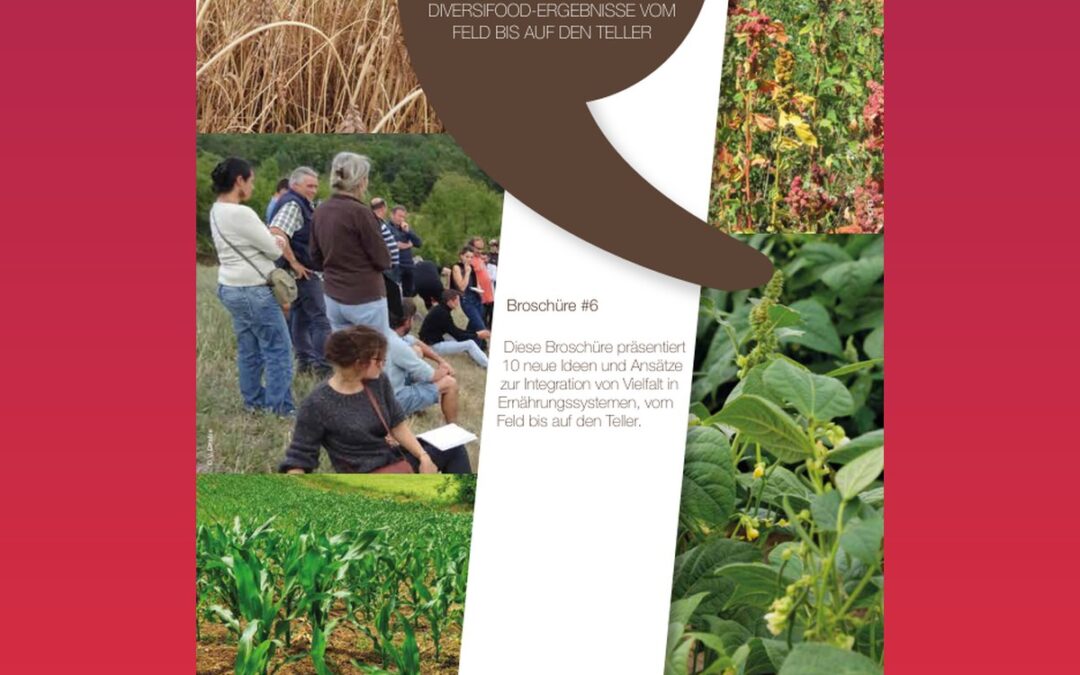
DIVERSIFOOD Booklet #6 (Jan 2019): zehn praxisorientierte Ansätze zur Einbettung pflanzlicher Vielfalt in Ernährungssysteme – On‑Farm‑Bewertung, partizipative Züchtung, Gemeinschaftssaatgutbanken, Multi‑Akteur‑Methoden, Vermarktung und Bauernrechte.
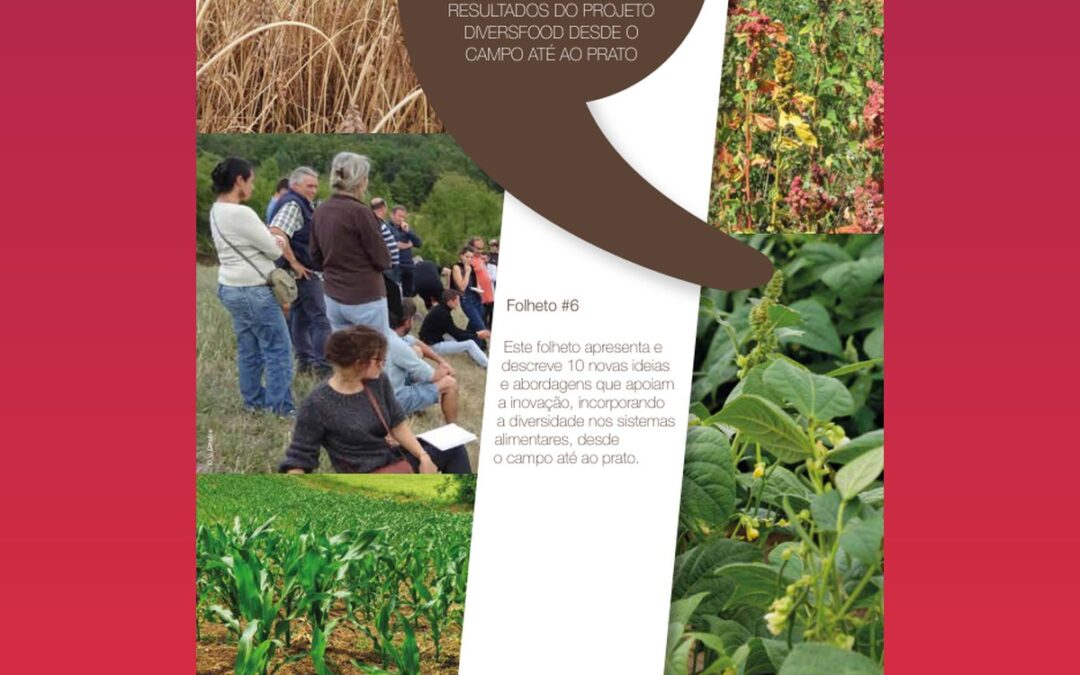
Folheto do projeto DIVERSIFOOD (Janeiro 2019) com 10 abordagens para incorporar diversidade nos sistemas alimentares: culturas subutilizadas, avaliação em campo, melhoramento participativo, bancos comunitários, investigação multi-ator e estratégias de mercado.
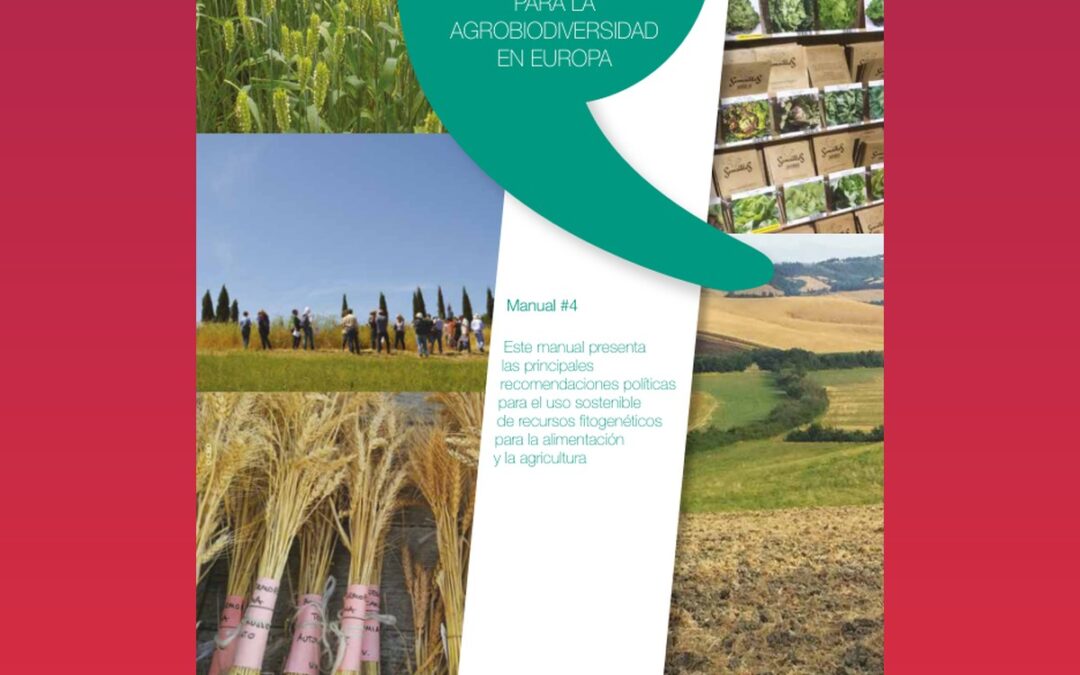
Manual DIVERSIFOOD con recomendaciones políticas para apoyar la gestión comunitaria y el uso sostenible de recursos fitogenéticos en Europa, incluyendo apoyo a bancos de semillas y adaptación de la legislación de semillas.
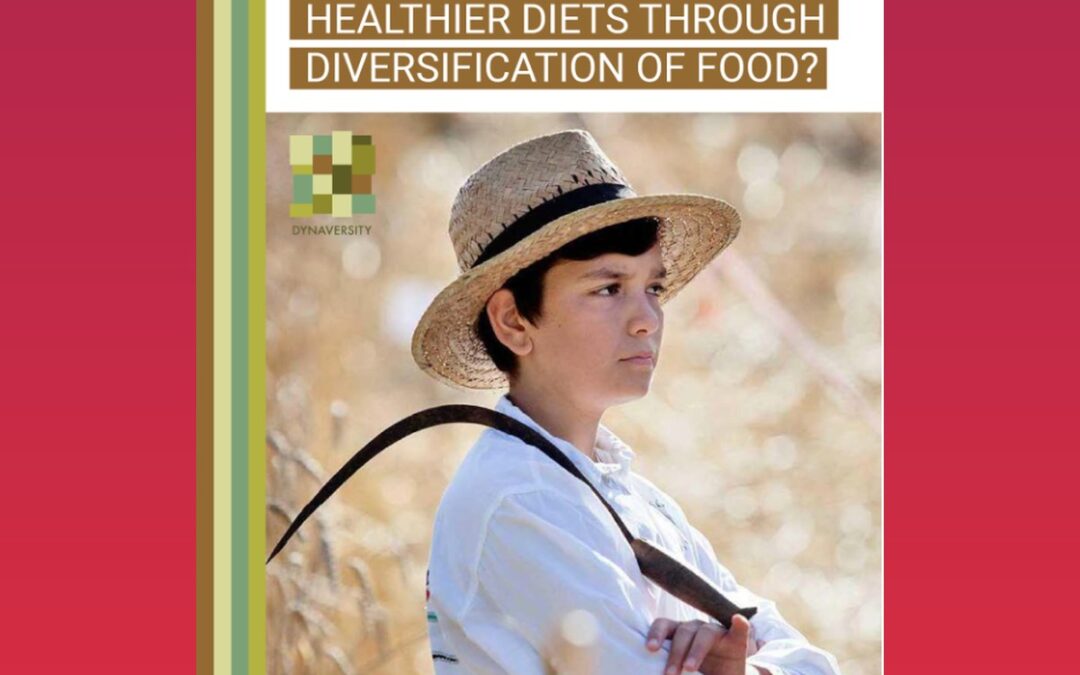
Desk study examining links between agrobiodiversity and health; compares institutional, technology‑centred (biofortification) and civil‑society discourses; highlights nutrient decline, varietal differences, and the need for holistic agroecological approaches.
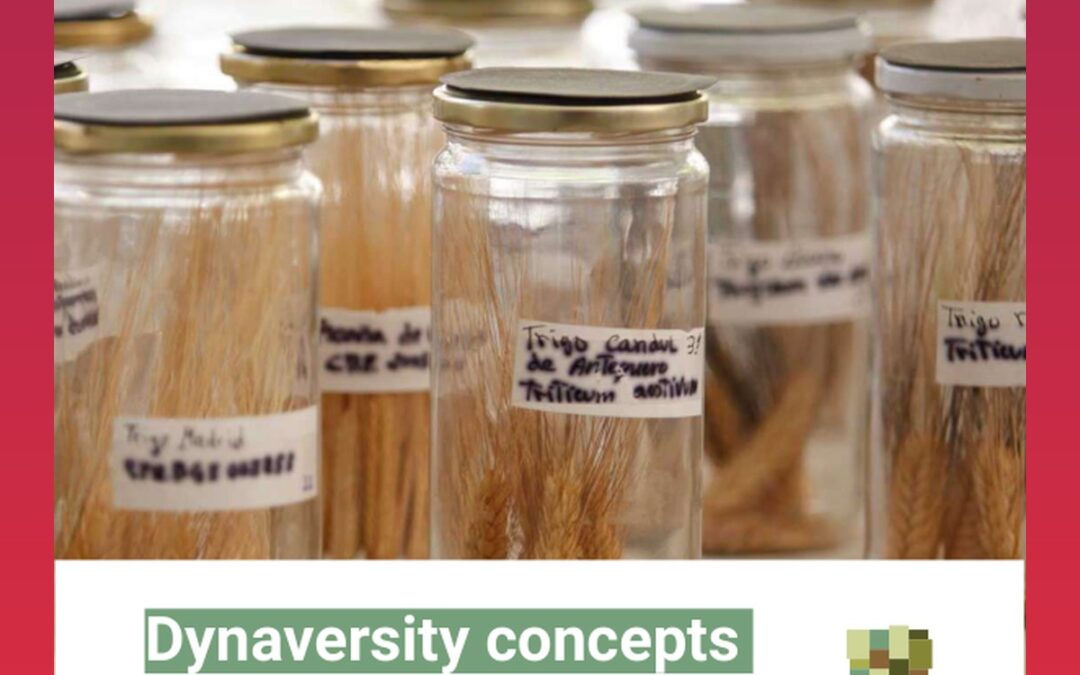
DYNAVERSITY‘s summary of five key concepts for agrobiodiversity: seeds and varieties, seed networks, conservation (in situ/ex situ), governance (ITPGRFA, farmers’ rights), and diverse agroecological food systems.

Report (side event, 1 Nov 2017) summarising global experiences with community seed banks, a DIVERSIFOOD European survey, case studies (Japan, Uganda, Zimbabwe, Nepal), sustainability factors and Governing Body decisions on Farmers’ Rights.
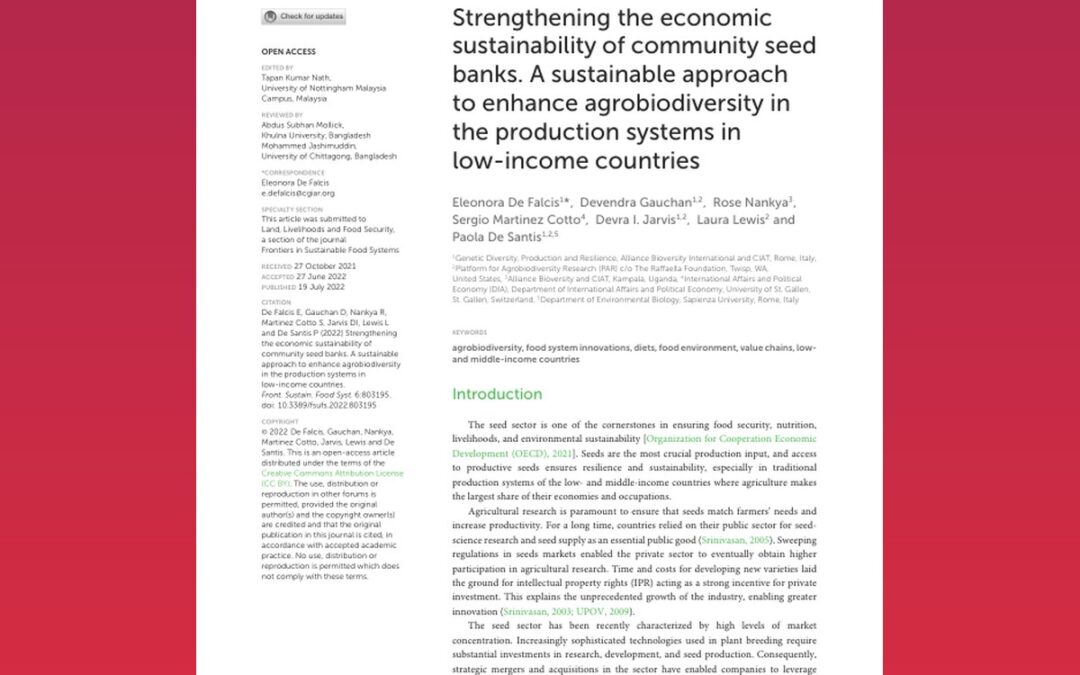
Discusses how community seed banks can conserve local varieties and improve agrobiodiversity by enhancing economic sustainability through legal recognition, market integration, partnerships and financing models.
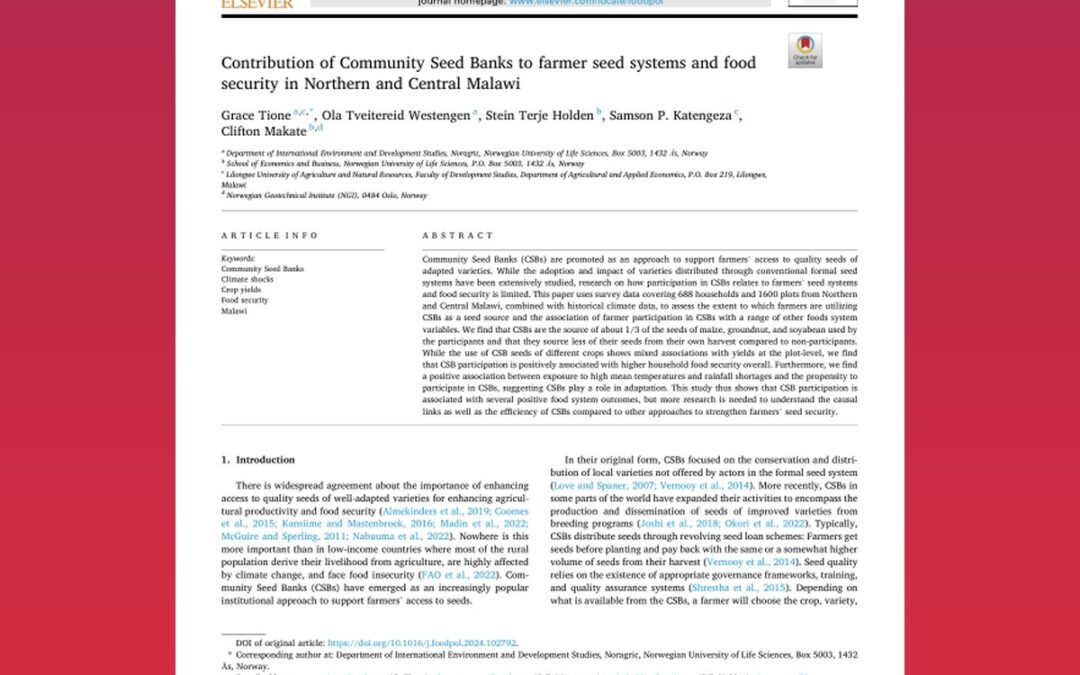
Survey and climate-data analysis in Malawi (688 households, 1,600 plots) finds CSBs supply ~1/3 of seeds for participants, are linked to better household food security, show mixed effects on crop yields, and correlate with climate-shock exposure.