
15th Let’s Liberate Diversity!
REGISTRATION ARE OPEN UNTIL 30 APRIL
The 15th edition of the LLD Forum will be held in Scandicci from May 23 to 25, 2026, in conjunction with the 5th edition of the 72 Hours of Biodiversity organized by Rete Semi Rurali, Italy.
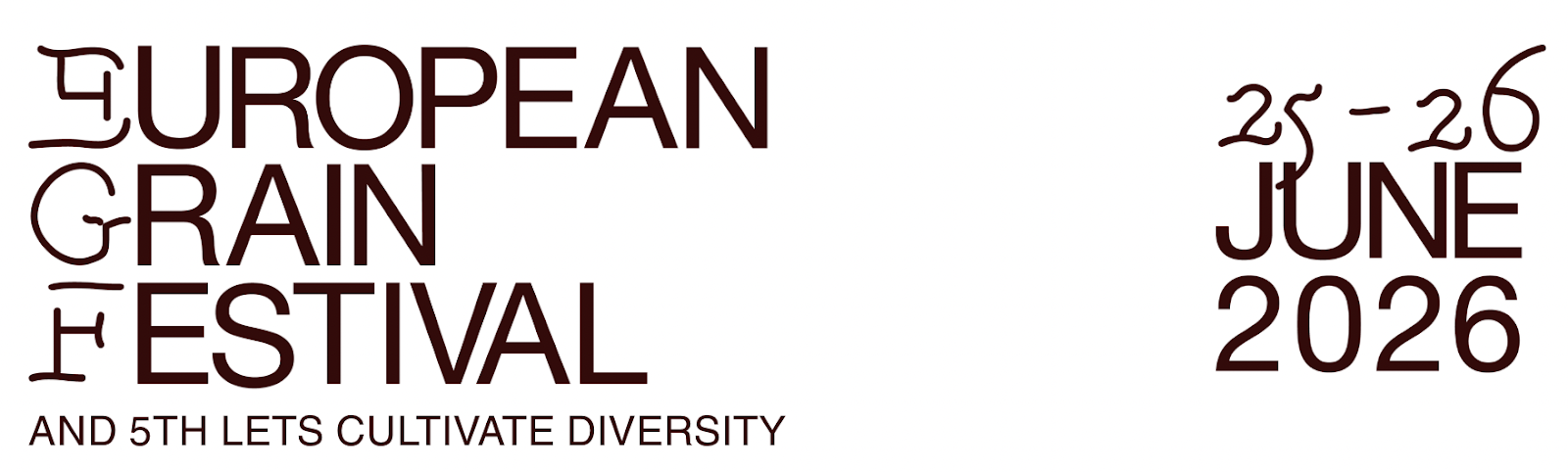
5 th Let’s Cultivate Diversity!
REGISTRATION ARE ALSO OPEN!
The European Grain Festival 2026 in Denmark combines parallel sessions of baking workshops, cooking demos, tastings, field demonstrations, poster sessions and lectures. You will meet and network with experienced bakers, farmers, chefs, processors, breeders and researchers from all over Europe.
—If you aim to produce quality cereal and cereal based food, this is the place to be.
At the heart of the festival you will find a demonstration field displaying hundreds of diverse grain varieties from all over Europe.
USE IT or LOSE IT
The European Coordination Let’s Liberate Diversity! (ECLLD) is an international nonprofit organization dedicated to the dynamic management of plant genetic resources for food and agriculture.
Our core belief is that the diversification of our food systems can be achieved through the collaborative efforts of various stakeholders involved in cultivated biodiversity.
The Coordination boasts a robust network of 22 members with a network of 170 national organizations operating across 21 European countries with a membership base exceeding 35,000.
In collaboration with approximately 15,000 farmers, we actively engage in the conservation and management of around 40,000 plant varieties.

Where we are
We want to bring diversity back in our food system!
Countries across all the Europan Region
Staff and volunteers
Organisations part of the network
Varietes maintend and managed by the network
Individual Members
Farmers and gardeners involved in dynamic management of cultivated biodiversity
What we do
As an influential platform, EC-LLD! serves as a unique space for facilitating the exchange of practices and information among farmers, seed savers, NGO members, and emerging small enterprises, fostering local actions on agrobiodiversity and promoting participatory dialogues.
Our proven expertise extends to our participation in projects funded by Horizon Europe, Erasmus+ and Horizon 2020. Furthermore, we have established successful collaborations with a diverse range of foundations and academic institutions.
Our work span across the 3 following areas

policy
Capacity building and knowledge sharing regarding agrobiodiversity, seed policies and legislastion.
policy
Capacity building and knowledge sharing regarding agrobiodiversity, seed policies and legislastion.
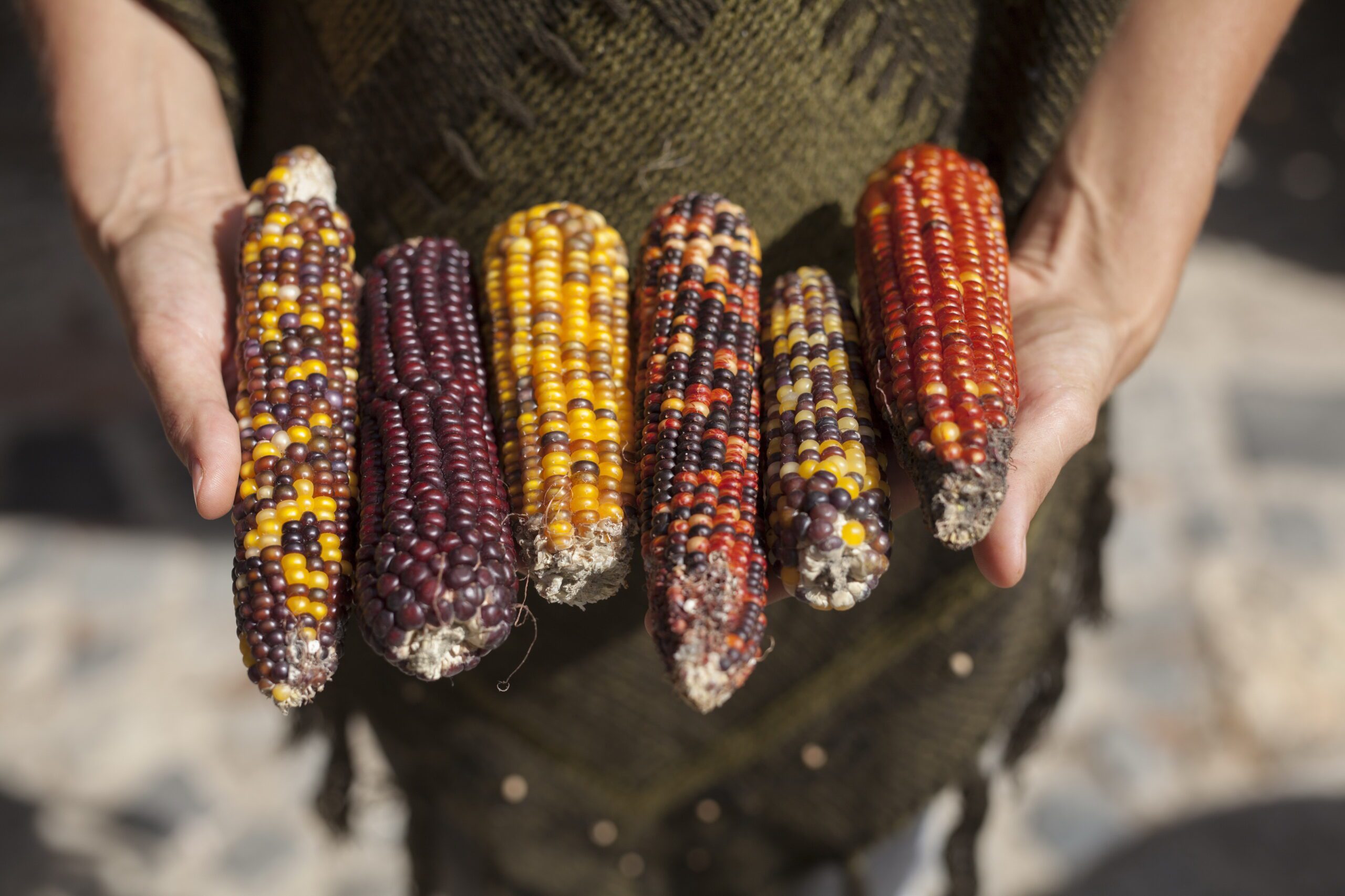

Communities seed banks
Training, support and management across Europe.
Communities seed banks
Training, support and management across Europe.

Communities
Facilitating peer to peer exchange of practices and information between different actors.
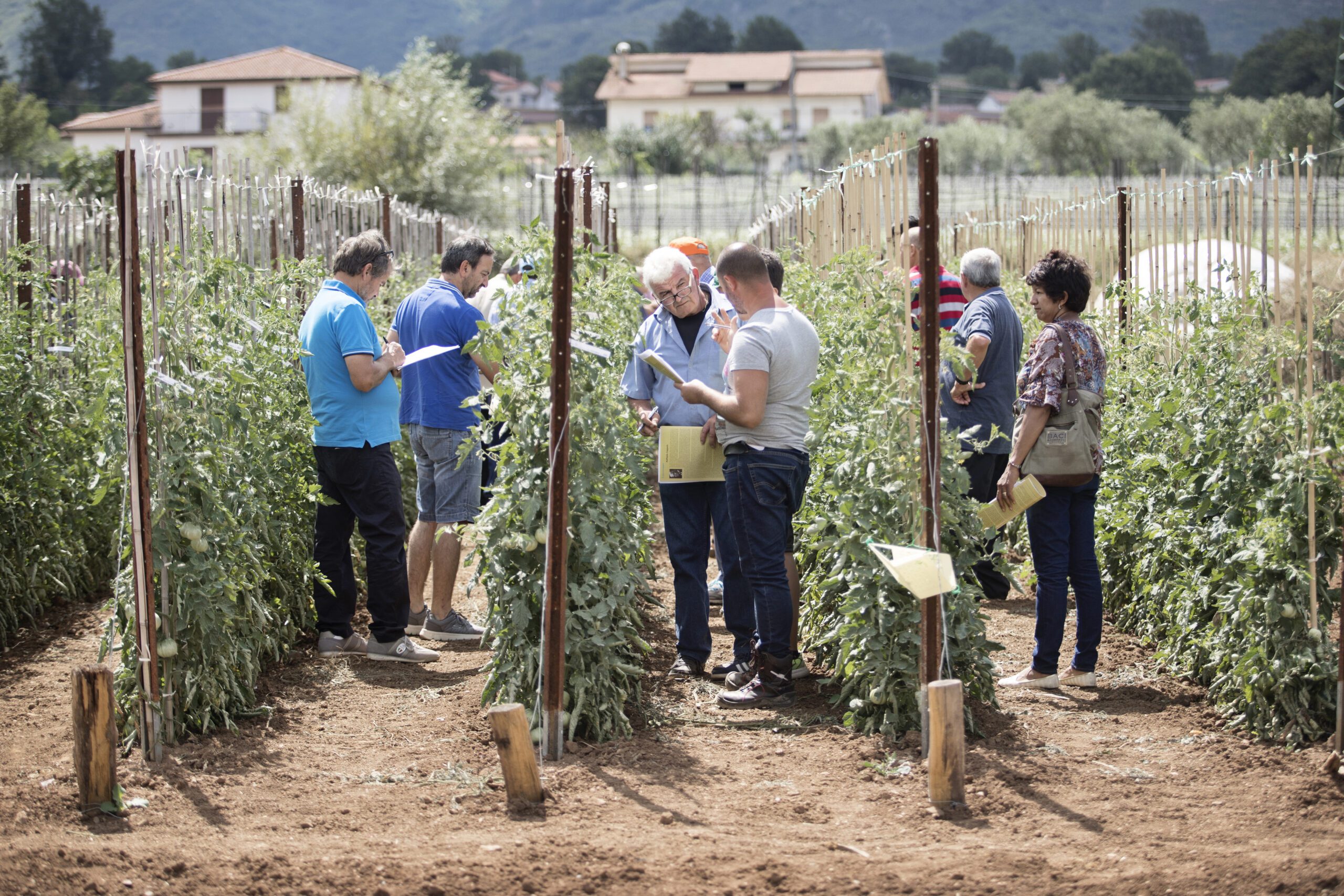
Communities
Facilitating peer to peer exchange of practices and information between different actors.
NEWS
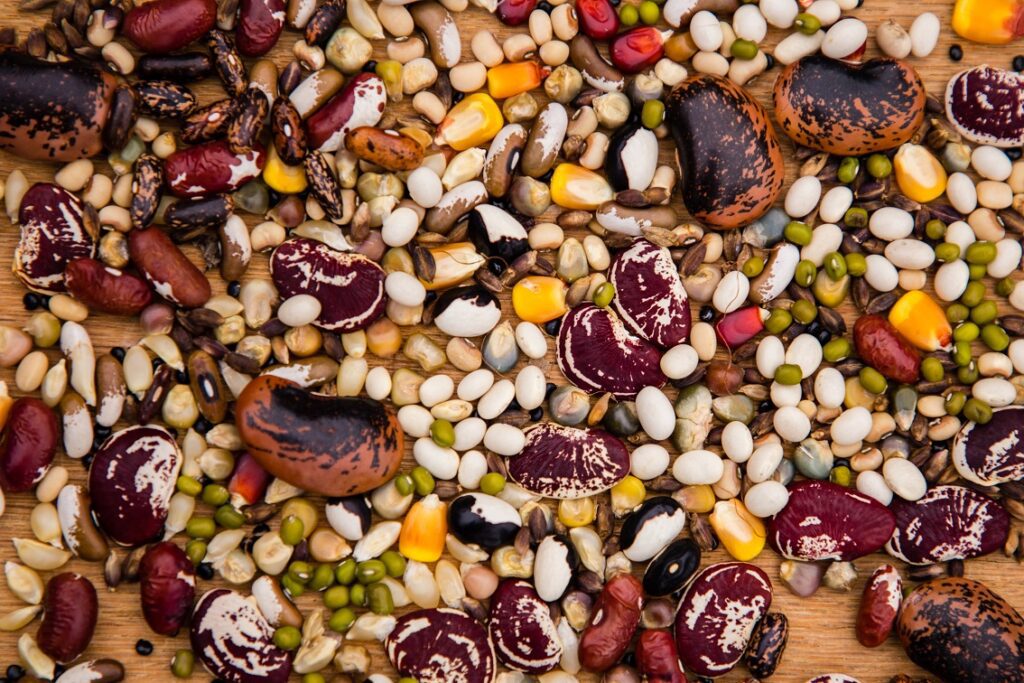
Arche Noah: seed law reform and new genetic engineering a double attack on our seeds!
Brussels, Vienna, Schiltern – Today the European Commission presented the a package of legislation in relation to “sustainable use of natural resources”, which includes the new “EU Seed Regulation” and a legislative proposal to deregulate the “New Genetic Engineering”.
“We are dismayed by this attack on our seeds and crop diversity in Europe,” says Magdalena Prieler, policy officer for ARCHE NOAH in Brussels. “With these proposals we run the risk of global corporations gaining complete control over our food. Agriculture Ministers and the European Parliament must act to protect farmers, consumers, and biodiversity!”
According to ARCHE NOAH, which has hands on expertise in the cultivation and sustainable use of the cultivated plant diversity, the proposed seed marketing regulation burdens the transfer of diverse seeds with excessive rules, to the detriment of agriculture and crop diversity. Any transfer of seeds outside the private sphere is classified as “marketing” and subjected to strict bureaucratic regulations. Even the transfer of seeds for the preservation of diversity, which has so far been freely possible in Austria for example, is to be tightly restricted. “Seed initiatives, gene banks and farmer networks all over Europe preserve the genetic diversity of cultivated plants. This valuable work must not be endangered by bureaucratic and impractical requirements,” demands Magdalena Prieler of ARCHE NOAH.
Today is also a dark day for farmers who want to preserve their independence from the big seed corporations. According to the current draft, they are only allowed to exchange their own seeds in small quantities and under certain conditions. Selling is no longer possible. Public gene banks, private collections and seed initiatives are also no longer allowed to give their seeds to farmers.
“The draft denies farmers their right to seed! Important alternatives to industrial seed are being destroyed. Our farmers want to be able to decide for themselves which seeds they buy and cultivate, not least in order to adapt their fields to the climate crisis,” says Prieler.
ARCHE NOAH demands that the dissemination and sustainable use of crop diversity be expressly permitted and that all regulations that hinder this work be deleted from the seed law. Furthermore, the right of farmers to harvest, use, exchange and sell their own seeds, as enshrined in international law, must be implemented. ARCHE NOAHwelcomes the fact that the sale of seeds to hobby gardeners is exempted from the obligation to certify varieties. Private exchange and sale should remain completely free, but this concession to diversity does not mitigate the serious shortcomings in other parts of the legislation.
ARCHE NOAH sees the planned deregulation of new genetic engineering as a further burden for the (GMO-free) conservation of cultivated plant diversity. “Our farmers would be at the mercy of powerful agrochemical corporations like Bayer, BASF, Corteva and Syngenta, which already control more than half of the global seed market. Patents on GM plants provide exclusive rights to the use of certain important traits and block the development of new varieties,” warns Magdalena Prieler of ARCHE NOAH. “The use of disease resistances that are essential for survival must not be privatised. New genetic engineering is first and foremost a tool for corporations to squeeze their competitors out of the market and expand further their control over our food system.“
The EU Seed Regulation proposed today will replace ten existing directives. It regulates the production and marketing of seeds and other plant propagating material (potatoes, fruit plants, etc). With the new regulation, the European Commission intends to adapt the outdated seed legislation to the goals of the European Green Deal. “We urgently need more diversity in our fields and on our plates to counteract the climate and biodiversity crisis and to produce tasty, healthy food. Unfortunately, this draft does not achieve that,” Prieler notes.
In the coming days, the European Parliament and the Council of Agriculture Ministers will starttheir work on the draft legislation. A first exchange is planned for the Council meeting on 25 July. “Agriculture Ministers and the Parliament have a lot of work to do: They must demand farmers’ right to seeds and protect crop diversity from overregulation and patents! Because genetic diversity is our insurance against the challenges of tomorrow “, Magdalena Prieler summarises.
Enquiries:
ARCHE NOAH, Association for the Conservation and Dissemination of Cultivated Plant Diversity
Axel Grunt
Head of Communication
+43 680 2379245
axel.grunt@arche-noah.at
Magdalena Prieler
Seed Policy Officer (Brussels)
+43 676 7750132
magdalena.prieler@arche-noah.at
Picture service:
Download at www.arche-noah.at/presse-und-medien/pressefotos
Enquiries to johanna.gillinger@arche-noah.at
European Commission DOCUMENTS:
And here is the one on NGT https://food.ec.europa.eu/system/files/2023-07/gmo_biotech_ngt_proposal.pdf
Here is the Seed Marketing proposal: https://food.ec.europa.eu/system/files/2023-07/prm_leg_future_reg_prm.pdf
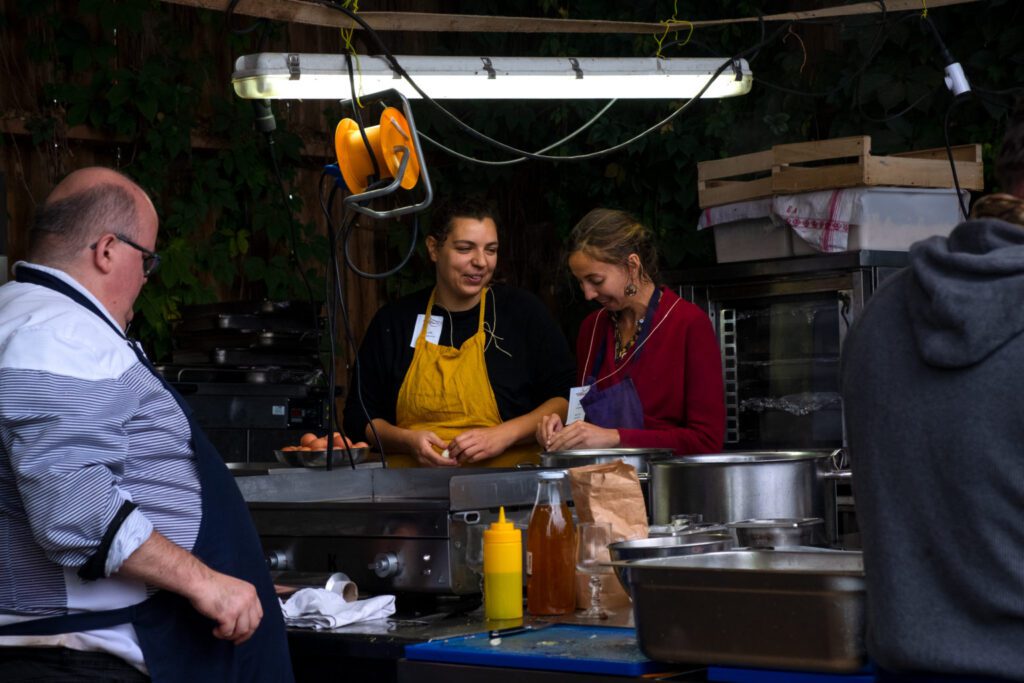
Rural resilience: a collective adventure
ARC2020 (Agricultural and Rural Actors Working Together for Good Food, Good Farming and Better Rural Policies in the EU) released a report with the findings of their project in France:
Collective Reflections within Socio-Ecological Transition, 2020-2022”
With the “Nos Campagnes en Résilience” project, we wanted to understand the relationships between new projects and initiatives within socio-ecological transition. How do they share experiences? How have agroecological farmers and rural inhabitants organised and mobilised to prepare for new challenges? How do they broach, collectively, concepts of well-being, solidarity, and changes of practices?

The report discusses the eight factors that were observed to make socio-ecological transitions successful:
- A Collective Adventure
- Cultivating the Human Spirit, Cultivating Nature
- Earnings, Yes – But What About Wellbeing?
- The Local as Testing Ground
- Opening Up Farming
- Getting Political
- Big Visions
- The Struggle is Peaceful, Collective & Intergenerational!
which boil down to the overarching message: no one can do it alone!
It’s a long road to building a new way of imagining life in the countryside. […]
Socio-ecological transition requires collective reflection, collective work, collective building and collective wellbeing. […]
The collective is a strength: a source of ideas and creativity that allows space for the individual.
ARC2020, https://www.arc2020.eu/rural-resilience-a-collective-adventure/
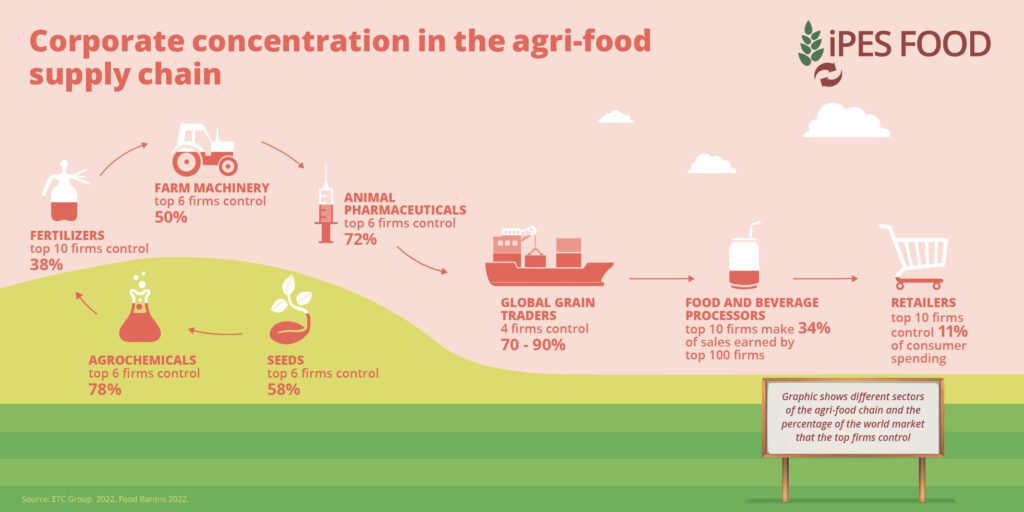
IPES-Food briefing on increasing concentration of corporate power in the food system
IPES Food latest work presents an clear picture of the concentration of power in most segments of the agri-food system, where just a few corporate players dominate markets.
According to the report, there are several mechanisms that keep this trend in place in the food system, including the possibilities that large corporations have to:
- Gaining ‘market power’ through consolidation
- Using economic dominance to exercise political power
- Shaping scientific research and popular discourse through sponsorship and their
- Shaping trade and investment treaties and agreements
Large corporations have undue influence over global food governance, undermining people’s abilities to engage with food systems on their own terms and eroding their human rights
Recommendation for addressing power imbalances in the food system governance
The report concludes with a series of reccomendations listed in teh figure below

The report is accessible here
LIVESEEDING project coordinator and collaborator of the EC-LLD Secretariat
The European Coordination Let’s Liberate Diversity! (EC-LLD) is an European AISBL (non-profit organisation), headquartered in Belgium and Italy, established in 2005 and formally founded in 2012.
The three pillars of EC-LLD’s activities are:
- capacity building on issues regarding seed policy and legislation
- trainings on Community Seed Banks management
- being an exchange platform that facilitates exchanges of practices and information between farmers, seed savers, and NGOs members and other realities.
It is composed of 20 members representing 19 different European countries. All members share the same concern: our food systems are too uniform and the promotion of biodiversity is the key to achieving food sovereignty and security for future generations. The existence of a platform that promotes the exchange and sharing of experiences, traditional knowledge, strategies and policies at European level is therefore essential. Indeed, EC-LLD draws its origins and foundation from the annual meetings known as the Let’s Liberate Diversity! Forums. The aim of these events has been to develop the issue of agricultural diversity by linking the work and experiences of the different actors involved, including public awareness, and promoting a horizontal and participatory dissemination of knowledge and expertise. It is within members’ communities that knowledge about growing, preserving and using local varieties and agrobiodiversity is preserved.

JOB PURPOSE SUMMARY
The Secretariat is looking for a young and motivated person to join its team and follow the organisation’s activities. Women are encouraged to apply. Mainly the candidate will have to follow the activities of the Horizon Europe project called LIVESEEDING and share main secretarial activities. Inclusion in a dynamic team of colleagues is offered, as well as the possibility over time to create other opportunities within the association like drafting other European and national projects.
Job location: Scandicci, Florence with agreed presence in the office in Piazza Brunelleschi, 8. Possibility of tele-working days once the training is over.
Type and term of contract: In-house consultant of EC-LLD with letter of assignment on the project starting in April 2023 until October 2026. Approximately 20 hours per week are required (2,5 Days average per week, dependent on events and travel evening and weekend work likely). Travel expenses will be paid as part of the project budget.
Remuneration: Starting salary of 12.000 € per year in accordance with candidate’s qualifications, with the
possibility of an increase depending on pending projects of ECLLD.
Type of work: 60% of the time coordinator of the project LIVESEEDING – www.liveseeding.eu – and 40% general desk activities.
How to apply: Please send your application (CV & motivation letter, list of publications and/or other achievements) before 15th of March 2023, 17:00 pm (CET) to: info@liberatediversity.org
Only shortlisted candidates will be contacted and invited for an interview.
ROLE AND PROFILE
Skills, Experience and Qualifications
- MSc or BSc degree in agriculture sciences, agronomy or agroecology, environmental studies, political science, development studies, or related fields;
- Enthusiasm and strong involvement in project work with multiple partners
- Good administrative and IT skills (Microsoft office, documenting procedures, preparing and submitting reports as and when required).
- Excellent written and verbal communication skills
- Strong presentation and relational skills for good networking with international partners
- Effective time management
- Engaging team player and works on own initiative
- At least two of the following languages: Italian, English, and French.
Desired competencies
- Interest in organic and agro-ecological farming
- Knowledge of the seed main issues and its policies
- Interest on high-quality organic seed production
- Regulatory and policy aspects of the organic seed market and organic seed databases
- Knowledge and experience working within EU funded projects and reporting will be considered a strong asset
LIVESEEDING 60%
- Participate to LIVESEEDING project activities and workshops if needed within different tasks;
- Acquire and maintain a detailed knowledge of the Project’s aims and strategies, and keep up-to-date with relevant developments;
- Organization together with the Secretariat the 12th LLD Forum in Ireland in late October 2023
- Unlock project outcomes to policymakers together with IFOAM
- Train the trainers in capacity building activities together with FiBL-DE
- On-farm demonstrations, training and knowledge sharing events with INRAE
EC-LLD SECRETARIAT 40%
- Learning the Secretariat’s working methods and programmes (Slack, G-drive, Banana)
- Maintain and update EC-LLD website (WordPress) and general use of communications tools (Hootsuite – Instagram, LinkedIn, Twitter, Facebook).
- Organize online and on-site events for knowledge exchange and networking between partners and other relevant stakeholders;
- Facilitate coordination of EC-LLD activities (Working Groups, Assemblies, Training days) and support networking and engagements with key partners;
Project Background
LIVESEEDING project
LIVESEEDING contributes to the upscaling of organic production in Europe through (i) improving availability of organic plant reproductive material of organic cultivars (Organic Heterogeneous Material, Organic Varieties, landraces) of a large range of crops, bred for improved diversity and adaptation to local conditions, and (ii) strengthening and diversifying the organic seed sector informed by market demands.
LIVESEEDING contributes to the transition towards environmentally-friendly, climate-neutral, healthy and fair food systems through further developing (i) cultivars suited for organic and low external input production, (ii) novel governance models linking breeders with value chain actors and citizens with local food production, and (iii) awareness around the importance of biodiversity for our food and health. LIVESEEDING focuses on the main drivers for (i) the supply and demand of organic seed and cultivars, (ii) the supply and demand of food products derived from them, and (iii) enabling frameworks and roadmaps through active policy dialogue with national and European authorities and policymakers by providing science-based evidence and best practice solutions to achieve 100% organic seed. LIVESEEDING addresses the topics in a holistic multi-actor, multi-stakeholder participatory approach involving organic and public research institutes (with proven competencies in breeding, seed multiplication and health, socio-economics, extension and outreach), variety examination offices, private breeders and seed companies, organic production and civil society associations. Additional stakeholders along the value chain are involved in the local Living Labs (LLs) and the established networks of organic breeders (ECO-PB), seed savers (EC-LLD) and Milan Urban Food Policy Pact (MUFPP).

Press Release: Launch of the European Network of Agroecological Food Systems
On January 26th, the Horizon 2020 Project, Agroecology for Europe (AE4EU) launched ENAF: the European Network for Agroecological Food Systems, along with more than 40 esteemed colleagues and fellow associations.
We came together to discuss activating the combined potential and capabilities of existing national and European networks to be able to contribute more effectively across sectors to agroecological transformations of farming and food systems in Europe, in a way that is bottom-up, transdisciplinary, and embraces all agroecological elements and principles.
The day began with the inspirational words of Professor Pablo Tittonell who spoke of bringing agroecology from the niche to the mainstream, sharing with us experiences from Argentina. It included examples of collaboration between municipalities and local farmers which altered the food system in such a way where farmers received 60% of profits, which made it possible to not only sustain agroecological practices, but also to sell agroecological food at a price that is affordable for all. Today this model involves 22,334 families out of the 31,393 family farms that are established in Argentina.
Pablo also stressed that the transition needs to be just, with no farmers left behind or we risk a feedback loop that returns to conventional agriculture. This message was shared by the consortium within group discussions, as farmer representation is seen to be of utmost importance in the future of ENAF.
The event continued with Attila Szocs of Eco Ruralis, and Jesse Donham of Agroecology Europe, who shared a conversation on the importance of more activate involvement with Eastern European farmers. Within Eastern Europe there are over 10 million farmers, most of them peasant farmers who keep agroecology alive, making them vital components of any transition.
Attila stated that “through agroecology, we unite” and nothing could show this more than through the collaborations that have begun amongst Eastern European countries in response to the war in Ukraine. While Member States in the EU have used this moment to strip back environmental policy, such a crisis is showing the importance of food sovereignty and agroecology, since it is local peasant farmers that have stayed behind to feed the population when industrial agriculture left.
Klarien Klingen, of the Dutch Federation of Agroecological Farmers, stressed the importance of creating a movement. She presented her own experience of doing so when various agroecological farming associations joined forces with each other, and with researchers and NGO’s, to create the federation. An important step which allows them to influence policies.
Finally, the Agroecology Europe Hub was presented as a key component of ENAF – a tool to connect agroecological farmers, researchers, students, policy-makers and funders by sharing content, information, news, stories, courses and living labs. This is meant to create connections all across Europe to guide the agroecological transition.
While ENAF was launched by AE4EU, its further establishment will take place through a co-creative process and related activities will be handed over to another founding member (yet to be identified) by the end of 2023. This process will be guided by two working groups which are open to any network representative that is interested.
ENAF seeks to complement what networks are doing by creating synergies and supporting shared efforts so that the efficacy of their work is enhanced. This includes creating opportunities for a stronger, combined voice and influence in relation to policy and research agendas. Additionally, it allows ideas to spread more rapidly across national boundaries, thus supporting local innovation.
ENAF understands agroecology as an integrated food system approach that pays due attention to both its social, economic, and environmental aspects. The vision of ENAF is to see people across Europe enjoying all the good that comes with food systems that are grounded in the principles of agroecology since they are environmentally conscious, socially just and economically fair.
ENAF acknowledges the tendency for top-down guidance on sustainability transitions in agriculture and food in Europe, and seeks to complement this by being principally orientated towards the knowledge and voice of agroecological food producers all over Europe. This European diversity in agroecology – from peasant farming to regenerative practices and community partnerships – are recognised as strong bedrocks for a holistic transformation of the European food systems.
More details on ENAF, its next steps, opportunities for joining, and outputs from the launch can be found on: https://www.ae4eu.eu/european-network-for-agroecological-food-systems/
For more information, and/or if you would like to join ENAF, please contact: jessica.donham@agroecology-europe.org or seerp.wigboldus@wur.nl

A new paper on digital sequence information, cultivated biodiversity and the movement for open source seed systems
4th Industrial Revolution technologies that blur the lines across physical, digital and biological domains have entered seed systems. The digitalisation of seeds’ DNA is generating the unstoppable growth of big data on digital sequence information (DSI).
A new paper titled “From land enclosures to lab enclosures: digital sequence information, cultivated biodiversity and the movement for open source seed systems” analyses the lack of definition and the ongoing legal vacuum for DSI, which aggravates the dematerialisation and fragmentation of seed and other plant genetic resources for food and agriculture, rendering them easier to control under legal, technological, social and logistical enclosures.
The article discusses the different sides of the DSI debate, which involves a wide variety of interwoven arguments ranging from the conception of DSI as human-made, to digital biopiracy and open science. Current DSI developments are identified as part of a wider set of appropriationism and substitutionism trends in an increasingly digitalised food system. The potential of open-source seed as a social movement and governance mechanism across physical and digital spheres is analysed. The article concludes DSI is emerging as a critical juncture for seed movements, revealing how the construction of seed and food sovereignty has inextricably become a digital and technological affair.

FAO latest releases: The State of Food and Agriculture 2022
LEVERAGING AGRICULTURAL AUTOMATION RESPONSIBLY FOR EFFICIENT, PRODUCTIVE, SUSTAINABLE, RESILIENT AND INCLUSIVE AGRIFOOD SYSTEMS
This year the 2022 edition of The State of Food and Agriculture (SOFA) looks into the drivers, key barriers and opportunities of agricultural automation, including the more recent digital technologies. Based on 27 case studies, the report analyses the business case for adoption of digital automation technologies in different agricultural production systems across the world.
Giving insightful policies suggestion on how to ensure a “responsible” agricultural automation, that is inclusive, suitable and available for all categories of producers.
“Any technology that automates at least one of the three phases may be classified as an automation technology. Motorized mechanization using engine power15 focuses essentially on the last of the three phases: performing. It automates agricultural operations such as ploughing, seeding, fertilizing, milking, feeding, harvesting and irrigating, among many others.”
“To be responsible, agricultural automation must be flexible, farmer-centred, demand-driven, respectful of data privacy and cultural diversity, participatory and inclusive in design, and transparent. It must recognize the importance of context and tailor technologies to local needs by involving local actors and building on their adaptive innovation capacity.”

Together with the community for free seed, we made the first open source rye a reality
Developing new crop varieties is often difficult to finance for small organic breeders. At OpenSourceSeeds, we have long been concerned with the question of how society can contribute to the financing of new free varieties. We have already been able to show that many people are quite willing to actively support organic breeding. In a survey 92% of respondents said they would pay more for a product in the supermarket if it meant that new varieties could be financed – which then would be protected as a commons for everyone.
Learn more about our thoughts leading to the ‚rye that belongs to all of us‘, which learnings we take from our campaign and what will happen now.

FiBL: Visiting Friends of Agrobiodiversity Across Europe
This new publication from FiBL takes readers on a journey to 15 organic plant and animal breeding initiatives in Europe. Every initiative is presented by a person involved in the initiative. For each initiative, the aims and challenges are described. The selected examples give a good insight into the great diversity of initiatives to maintain and promote biodiversity in organic crops and animal species.

source: FiBL_Visiting-Friends-of-Agrobiodiversity-Across-Europe publication
Naming plants in international legislation- words matter!
Implications for change and implementation of international legislation by Michèle PERRIN-TAILLAT (THE FULL ARTICLE IS AVAILABLE IN ENGLISH AND FRENCH-LINKS AT THE END) Plant terminology in legislative texts regulating the commercialisation, use and protection of...
Seed legislation, seed marketing, advocacy, seed systems, scientific publication, school and seminar, patents
Agrobiodiversity, seed savers, seed networks
Plant breeding, LLD Forum, news from members, news from other organizations
– SEEDS STORIES –
DO YOU WANT TO STAY UPDATED??

The ECLLD - News! informs about events, ongoing projects and insights regarding cultivated biodiversity at European level.
We are very pleased with your interest in our challenges, our diversity is our strength!
-COMMON CALENDAR –
 On Schedule
EC-LLD! General Assembly (for EC-LLD! members only)Field Visits
- On Schedule
Official opening of the ForumField Visits
- On Schedule
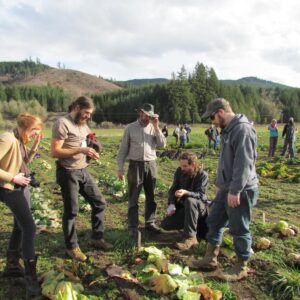
WS1: Seeds, Biodiversity and the Right to Food: The Role of Municipal Food Policies
- On Schedule
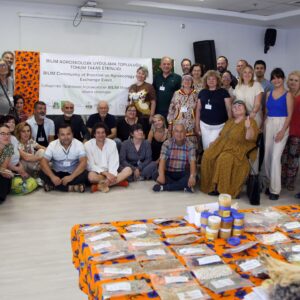
WS 2: Seeds in Common: Genebanks, Breeding Innovation, and the Future of Democratic Seed Systems Sold Out
- On Schedule
WS 3: On-farm agrobiodiversity in the Balkan region: from preservation to plant population development
Submit an Event
Legal Watch
The legal watch is realised by the French Farmers’ seeds network, Réseau Semences Paysannes. Informations are related to seeds marketing, intellectual property rights, genetic ressources.
It is presented in French.
on EU topics
- Plateforme ACLP, Communiqué du 27 février 2025 - L’ACLP participe à la table ronde sur la propriété intellectuelle et les semences au Salon international de l’agriculture de Paris 2025
- Convention sur la diversité biologique, Communiqué du 24 février 2025, Le Fonds de Cali est lancé en marge de la reprise de la session de la COP16
- OMPI, Communiqué du 5 décembre 2024 - Le Malawi est le premier pays à ratifier le Traité de l’OMPI sur la propriété intellectuelle, les ressources génétiques et les savoirs traditionnels associés
- Confédération suisse, Avis du Conseil fédéral sur le rapport de la CSEC-N relatif à la prolongation du moratoire sur le génie génétique, 29 janvier 2025
- ACLP, Communiqué du 5 février 2025 - L’ACLP organise une session d’information pour les décideurs politiques de l’UE