Let’s Liberate Diversity! News


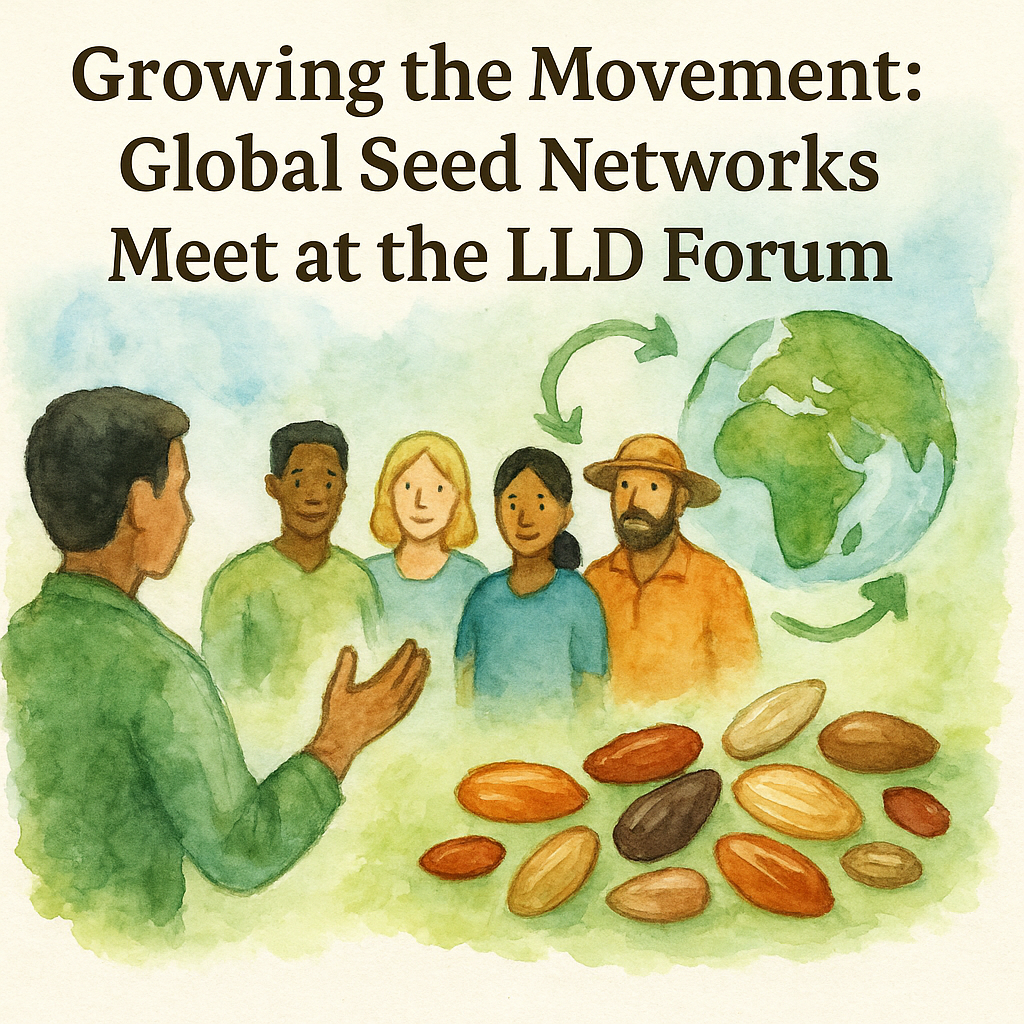
Growing the Movement: Connecting Global Seed Networks at the LLD! Forum
Over the past year, a quiet yet powerful convergence has been unfolding in the world of farmers’ seeds. Across regions, many initiatives, networks, and platforms have been working, often in parallel, to support farmers’ seed systems and cultivated biodiversity. While...

Right to Food Initiative accepted by the EU Commission!
The European Commission has officially registered Good Food For All's European Citizens' Initiative (ECI) titled “Food is a Human Right for All!” 👉 Read the Commission's press release here 👉 Explore the official ECI page 👉 Find your language version on Good Food For...
Defend farmers’ seed rights – reach out to EU lawmakers!
EU Commission's PRM law - a threat to seed diversity and sovereignty The European Commission's proposed EU law of Production and Marketing of Plant Reproductive Material is a threat to small seed producers, and to the conservation of seed diversity. If the proposed...
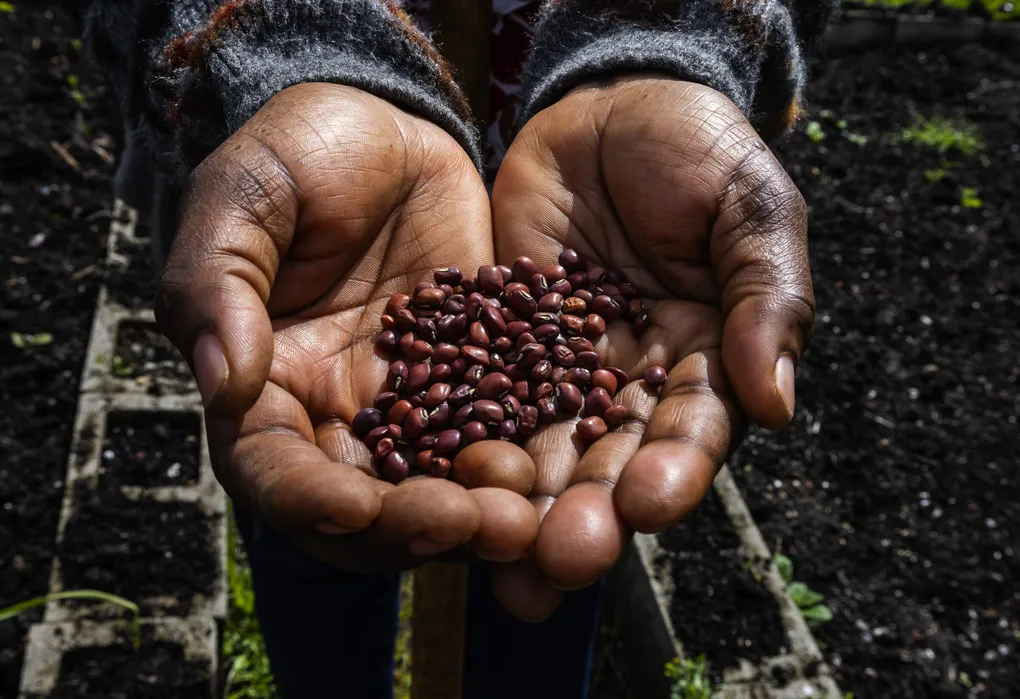
Sowing social innovations for transformative change
Research paper Native seed collector networks in Brazil: Sowing social innovations for transformative change is available as Open Access early view online. ABSTRACT To investigate whether and how Social Innovation (SI) can contribute to transformative change, we...

Moving toward 100% organic seed use in German organic agriculture
A new academic paper was published in journal Organic Farming and is available as Open Access online: Trends in use of crop cultivars from organic and conventional seed multiplication: Moving toward 100% organic seed use in German organic agriculture. ABSTRACT In...

Strategic Dialogue on the future of EU agriculture
This month marked the end of the Strategic Dialogue on the future of EU agriculture, an initiative first announced by President of the EU Commission Von der Leyen at her State of the Union address last year and that saw stakeholders in Europe engaged in discussions...

Protecting crops through plant diversity
The INRAE has recently published a free-to-download eBook by the title ‘Protecting crops through plant diversity‘ in the context of project Ecophyto 2+ meant to reduce the use of synthetic pesticides to protect public health. This book is intended for research and teaching purposes, as well as agricultural, environmentaland citizen stakeholders.

The Organic Advice Network
A new initiative was launched in the spring 2024 as part of the EU Farm to Fork Strategy and aligned to its target of achieving 25% organic farmland by 2030. The project aims to address the urgent need for skilled advisors in organic farming by creating and nurturing...
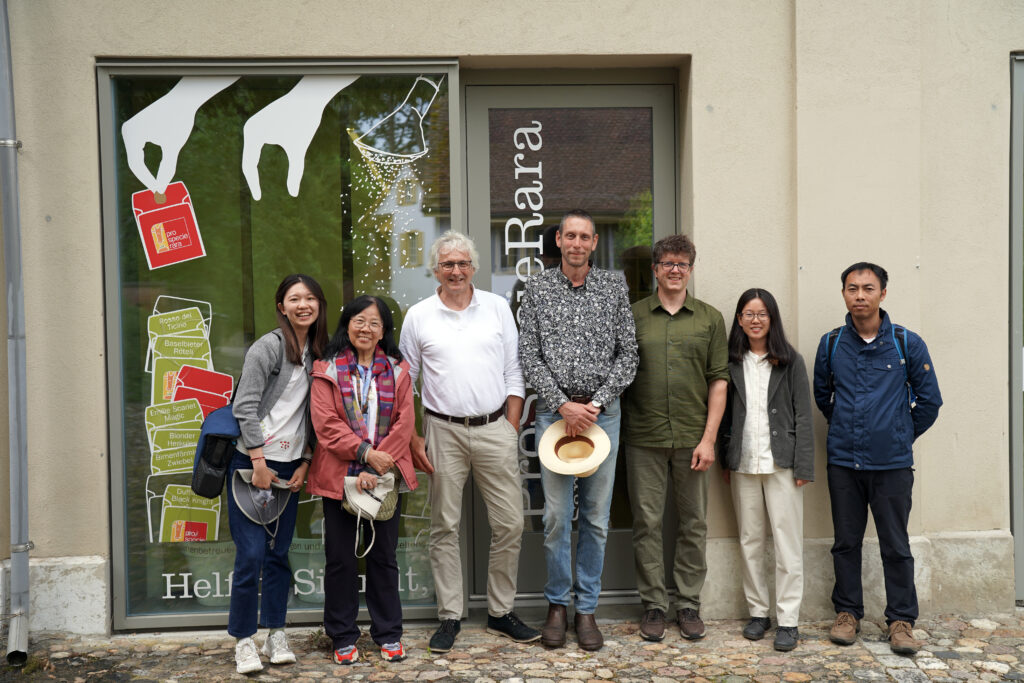
PGR management in farmers seed network in Europe and China
EC-LLD recently participated in an online event hosted by Pro Specie Rara, one of our members, to welcome a Chinese delegation at their headquarters in Switzerland. This was a significant step in our ongoing efforts to strengthen international collaboration and exchange knowledge on biodiversity and sustainable agriculture.
Video
Read also..