Cultivating diversity for resilient and inclusive communities: a workshop with seed savers, migrants, farmers and gardeners organised by project DiverseSeedPath


Cultivating diversity for resilient and inclusive communities: a workshop with seed savers, migrants, farmers and gardeners organised by project DiverseSeedPath

The INRAE has recently published a free-to-download eBook by the title ‘Protecting crops through plant diversity‘ in the context of project Ecophyto 2+ meant to reduce the use of synthetic pesticides to protect public health. This book is intended for research and teaching purposes, as well as agricultural, environmentaland citizen stakeholders.

A new initiative was launched in the spring 2024 as part of the EU Farm to Fork Strategy and aligned to its target of achieving 25% organic farmland by 2030. The project aims to address the urgent need for skilled advisors in organic farming by creating and nurturing...

Within the RADIANT EU project, the organisers of this survey exercise aim to support European policies and strategies that release the full value of neglected or forgotten crops and plant species within the food value chain. While in fact the current socio-economic...
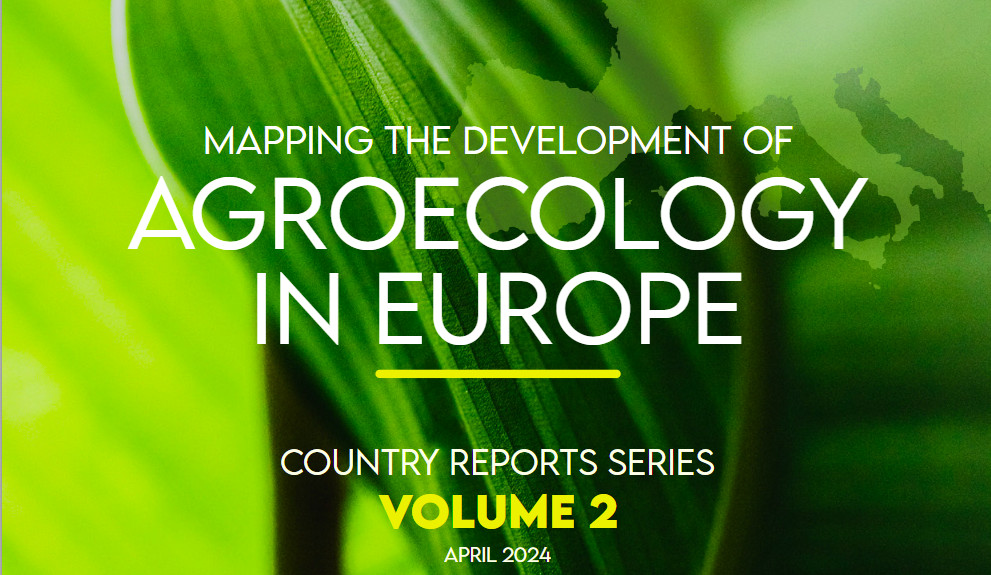
The second volume of results from the AE4EU European project’s mapping exercise an agroecology in Europe was published. It includes material on Denmark, France, Hungary, Ireland, Moldova, The Netherlands, Portugal, Slovenia, Spain, Sweden, and
the UK.
Millets are resilient plants: they can grow on arid land with minimal inputs in changing climates. All resources created during IYM2023 are now available online

Swedish agrobiodiversity activist Sivert Stiernebro has been conducting an educational campaign on the significance of seed diversity for farming and the impact of EU legislation on the availability of diverse seed. Sivert is keen to take his message to a wider audience and looking for local activists to help him share it far and wide.
While an improvement on the EU Commission’s draft, the EU Parliament resolutions to be put into law still fail to support agrobiodiversity conservation. But there is still time for EU Member States to act.

Read the April 2024 issue of the FAO Agroecology Knowledge Hub Digest, a taster of the insights into the world of agroecology that you could receive via email

The April 2024 issue of the APBREBES newsletter is published on their website. Topics: UPOV and smallholder rights, NGTS and EU regulation.