Seed quality matters. Discover practical, low-cost methods to improve germination, vigour, and storage—essential tools to support resilient, diverse seed systems.
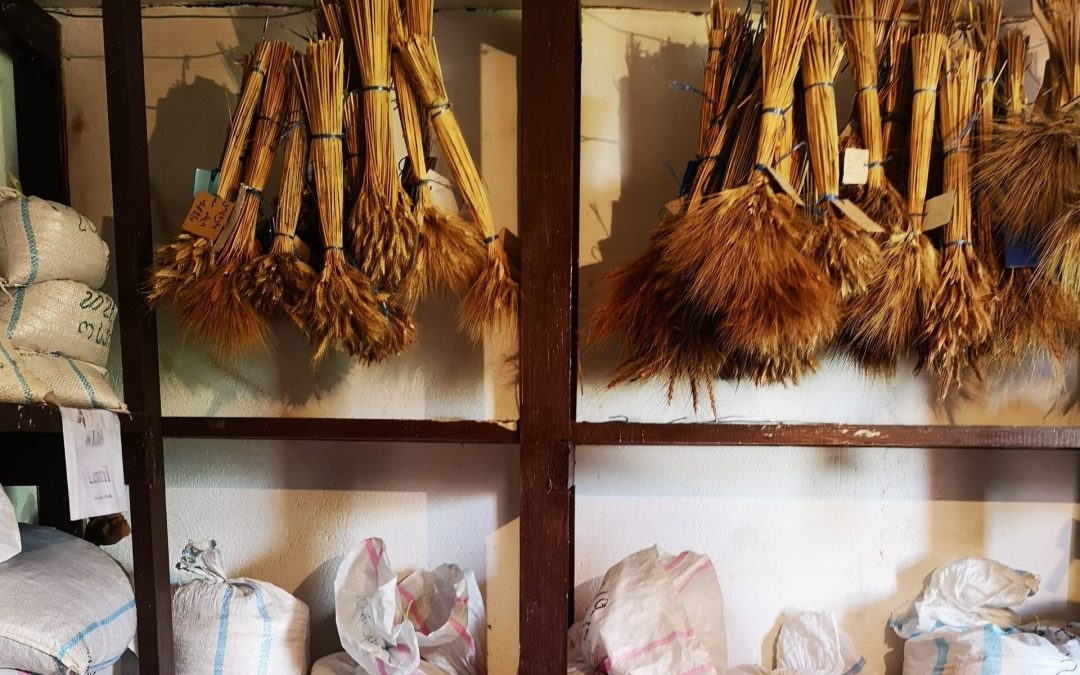

Seed quality matters. Discover practical, low-cost methods to improve germination, vigour, and storage—essential tools to support resilient, diverse seed systems.

Through the decade of family farming (2019—2028), FAO emphasises the important role played by smallholder farmers for sustainable food security. This workshop addresses the topic of “the right to seeds” defined in the United Nations Declaration on the rights of peasants and people working in rural areas (UNDROP), highlighting the link between food security, seed sovereignty and the diversity of regional varieties and peasant seeds. The workshop will explore how to best align ongoing policy processes in the EU and beyond with the right to seeds and provide illustrations of positive implementation and use of UNDROP throughout the world. Participants will be asked to reflect on the challenges that stand against the realisation of the right to seeds, and explore pathways to resolve them.

New EU seed marketing rules risk putting extensive bureaucracy on small diversity producers. Explore how definitions and legal barriers impact their work, what changes are needed to ensure biodiversity-friendly regulation and how you can influence the upcoming rules

The aim is to inform Irish stake holders (NGOs, growers, policy makers, media,…) and LLD participants about the current threats of patents on free access to seeds for breeders and farmers and on food sovereignty. We’d like to get the stakeholders active against patents on seeds on a national and European level.

The aim is to explore the contribution of Underutilised Crops (UCs) to Ecosystem Services (ES) through the lens of the agroecological practices applied to the agroecosystems.

The aim is to explore the implications a potential deregulation of new GMOs at EU level could have on the seed sector and to see how to preserve the integrity and diversity of our genetic resources from new GMOs.

The first aim is to communicate a comprehensive set of options for the realisation of Farmers’ Rights that have been developed under the International Treaty on Plant Genetic Resources for Food and Agriculture and explore how these options may be further developed in Europe. A second aim is to discuss a possible strategy for the negotiation on Farmers’ Rights at the next session of the Plant Treaty’s Governing Body in November.

During this session, CBN director Lane Selman (based in Portland, Oregon, USA) and CBN EU ambassador Myrtha Zierock of Azienda Agricola Foradori (based in Mezzolombardo, Trentino-Alto Adige, Italy) will share how they have successfully created networks and executed impactful events in the US and Italy. During this interactive workshop session, they will share ideas, successes, and challenges from their experiences which they hope attendees will use in their communities.

This workshop is part of of the 11th Let's Liberate Diversity! Forum! SEEDING EUROPE: The seed marketing legislation and its current reform for seed diversity actors The workshop shows which laws affect diversity actors and in which way, followed by an introduction...

This workshop is part of of the 11th Let's Liberate Diversity! Forum! This training workshop, funded by the COACH project on collaborative agrifood chains, will demonstrate how alternative grain networks and value chains can help to rebalance farmers’ position in the...