
15th Let’s Liberate Diversity!
REGISTRATION ARE OPEN UNTIL 30 APRIL
The 15th edition of the LLD Forum will be held in Scandicci from May 23 to 25, 2026, in conjunction with the 5th edition of the 72 Hours of Biodiversity organized by Rete Semi Rurali, Italy.
5 th Let’s Cultivate Diversity!
REGISTRATION ARE ALSO OPEN!
The European Grain Festival 2026 in Denmark combines parallel sessions of baking workshops, cooking demos, tastings, field demonstrations, poster sessions and lectures. You will meet and network with experienced bakers, farmers, chefs, processors, breeders and researchers from all over Europe.
—If you aim to produce quality cereal and cereal based food, this is the place to be.
At the heart of the festival you will find a demonstration field displaying hundreds of diverse grain varieties from all over Europe.
USE IT or LOSE IT
The European Coordination Let’s Liberate Diversity! (ECLLD) is an international nonprofit organization dedicated to the dynamic management of plant genetic resources for food and agriculture.
Our core belief is that the diversification of our food systems can be achieved through the collaborative efforts of various stakeholders involved in cultivated biodiversity.
The Coordination boasts a robust network of 22 members with a network of 170 national organizations operating across 21 European countries with a membership base exceeding 35,000.
In collaboration with approximately 15,000 farmers, we actively engage in the conservation and management of around 40,000 plant varieties.

Where we are
We want to bring diversity back in our food system!
Countries across all the Europan Region
Staff and volunteers
Organisations part of the network
Varietes maintend and managed by the network
Individual Members
Farmers and gardeners involved in dynamic management of cultivated biodiversity
What we do
As an influential platform, EC-LLD! serves as a unique space for facilitating the exchange of practices and information among farmers, seed savers, NGO members, and emerging small enterprises, fostering local actions on agrobiodiversity and promoting participatory dialogues.
Our proven expertise extends to our participation in projects funded by Horizon Europe, Erasmus+ and Horizon 2020. Furthermore, we have established successful collaborations with a diverse range of foundations and academic institutions.
Our work span across the 3 following areas

policy
Capacity building and knowledge sharing regarding agrobiodiversity, seed policies and legislastion.
policy
Capacity building and knowledge sharing regarding agrobiodiversity, seed policies and legislastion.
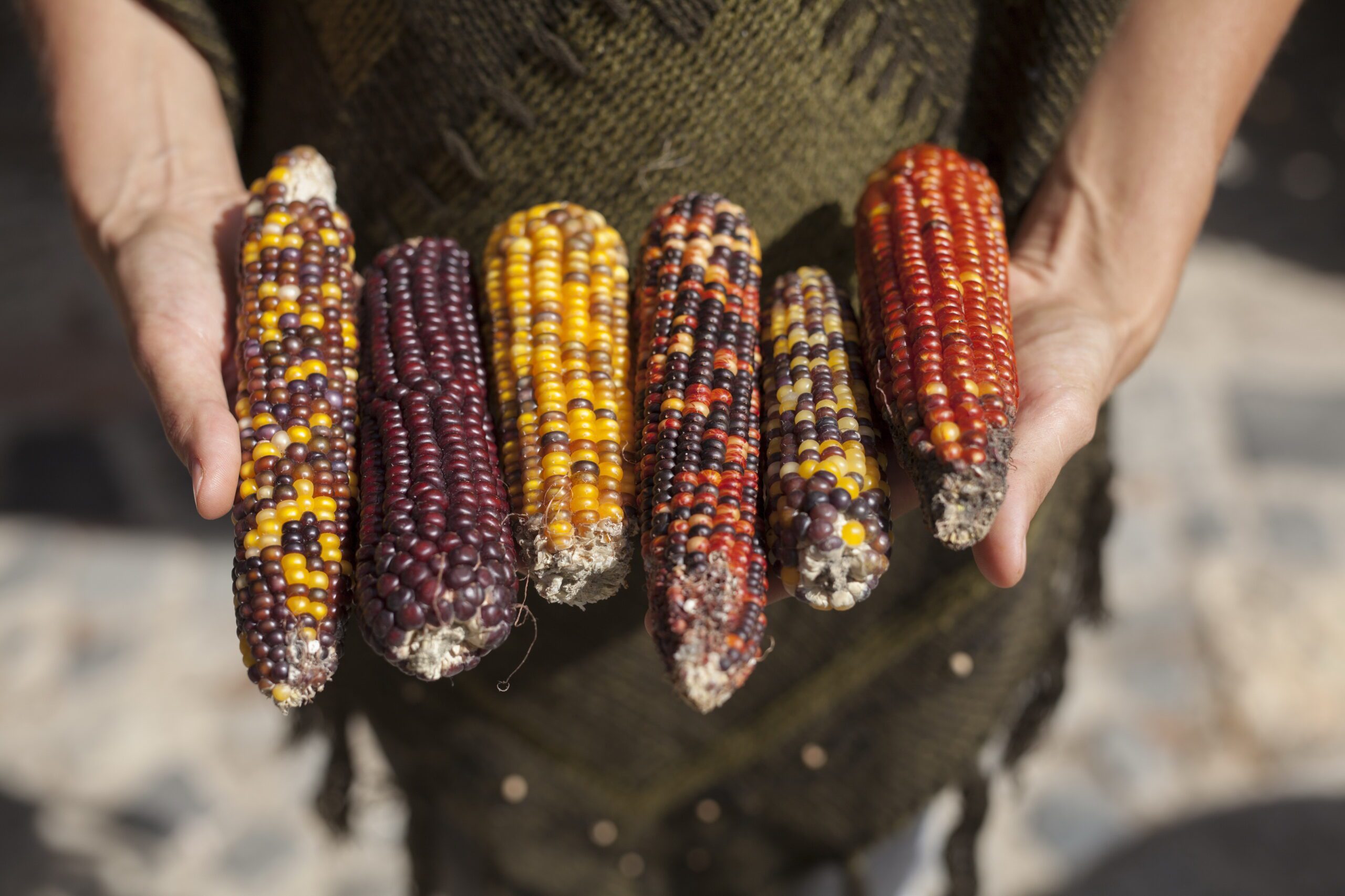

Communities seed banks
Training, support and management across Europe.
Communities seed banks
Training, support and management across Europe.

Communities
Facilitating peer to peer exchange of practices and information between different actors.
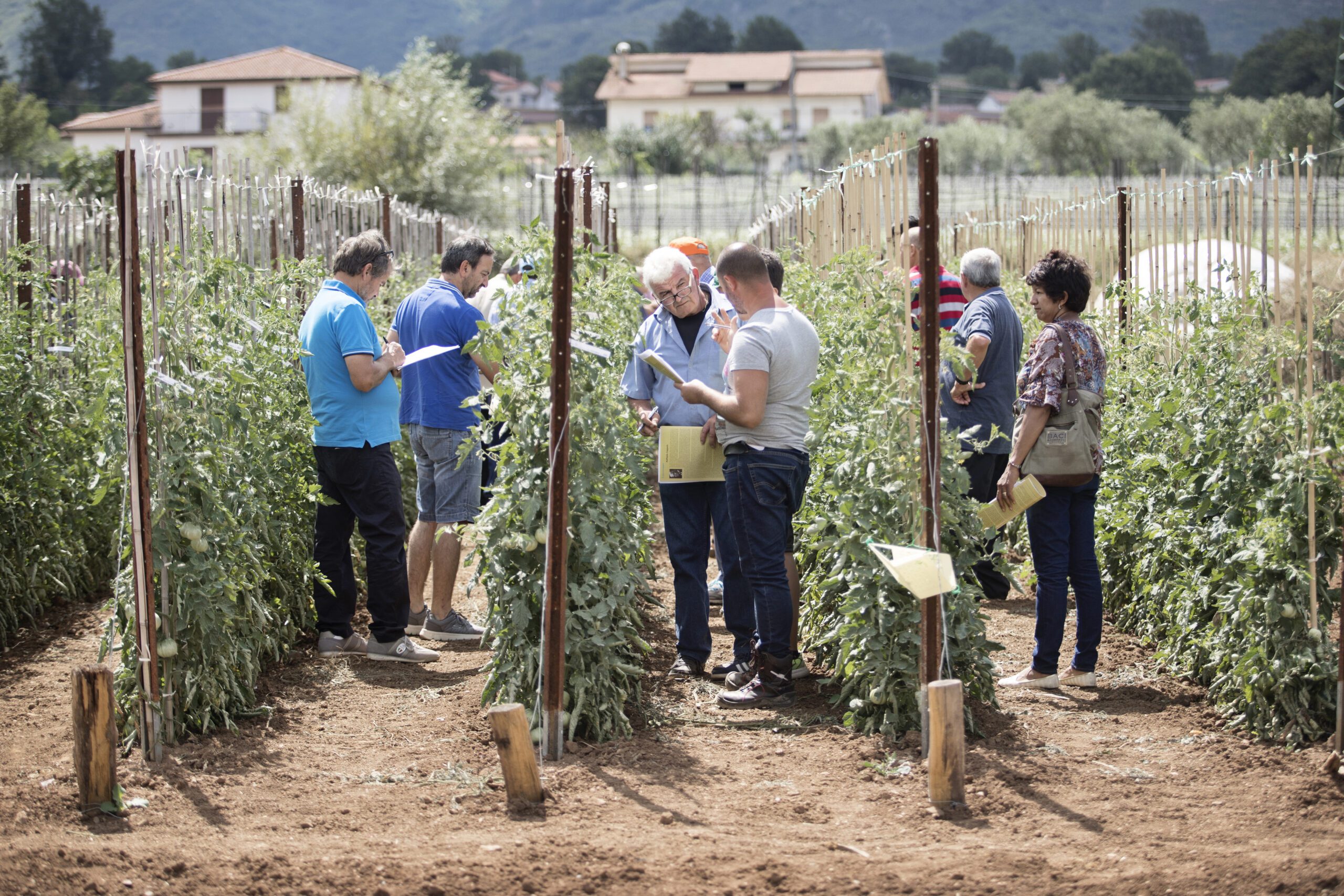
Communities
Facilitating peer to peer exchange of practices and information between different actors.
NEWS

Technical Manual on Community Seed Banks
This set of three manuals provide comprehensive guidance on establishing, managing, and navigating the legal aspects of Community Seed Banks (CSBs). These resources are designed to help you preserve agricultural biodiversity, enhance access to locally adapted seeds, and contribute to sustainable agriculture.
So many European research projects or informal processes lead to the question of how to use and maintain agrobiodiversity, which is dramatically disappearing. For this reason, without relying on political or institutional processes, we can immediately start with Community Seed Banks.
What are Community Seed Banks? CSBs have been founded since the early 1980s worldwide. In Europe, they are based on networks of seed savers, gardeners, and farmers. CSBs maintain agricultural biodiversity, enhance access to locally adapted seeds and plants, provide training, and contribute to sustainable agriculture and food sovereignty.
For over 40 years, CSBs have counteracted the loss of locally adapted crops through dynamic, collective management. In Europe, CSBs have grown rapidly in the last 15 years, raising public awareness of plant and seed diversity, protecting local varieties, and contributing to a sustainable food system.
Through the #DYNAVERSITY project, EC-LLD has produced three manuals to help establish and manage CSBs and navigate exchange laws.
Technical Manual Series on CSBs
Manual #1: Establishment, Management, and Governance
This manual covers starting and managing a CSB, including seed selection and multiplication, with practical tips for effective management.
Manual #2: Documentation Systems
Learn how to manage your CSB database to ensure the accessibility and quality of your seed collection information.
Manual #3: Regulating Access to Germplasm and Benefit Sharing
Understand the laws, directives, treaties, and conventions affecting seeds and their access, and the benefits of collaboration between genebanks and CSBs.
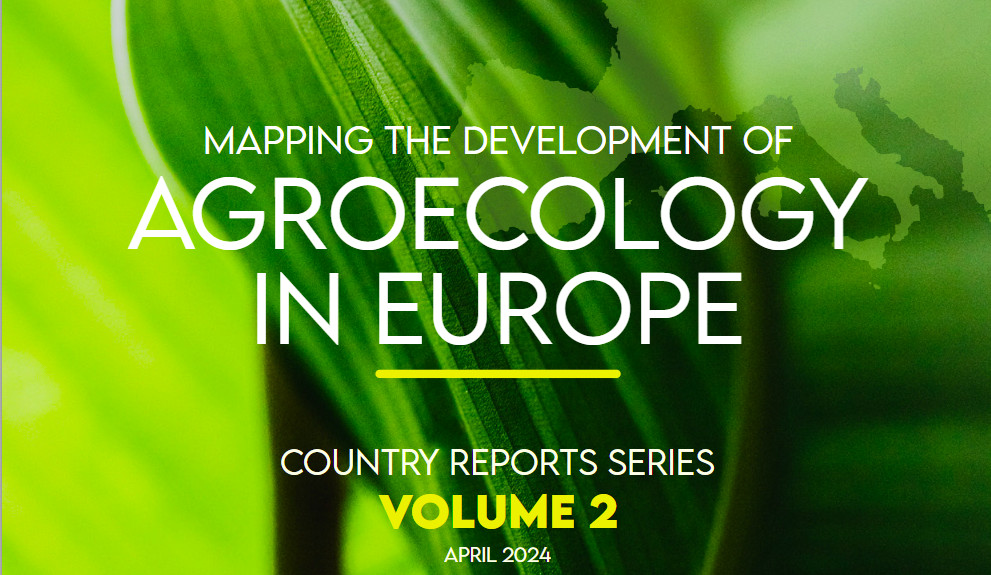
Agroecology in and for Europe (AE4EU Project)
The European project AE4EU has launched the second volume of results from their mapping exercise of the state of agroecology in Europe “Mapping the development of agroecology in Europe – Volume 2”.
Besides an overview of the current state of agroecology, discussing barriers and perspectives for future development, the publication provides examples of implementation of agroecology in the following countries:
- Denmark,
- France,
- Hungary,
- Ireland,
- Moldova,
- The Netherlands,
- Portugal,
- Slovenia,
- Spain,
- Sweden, and
- the UK.
Details on Albania, Austria, Bosnia and Herzegovina, Bulgaria, Croatia, Germany, Greece, Italy, Kosovo, Malta, Montenegro, North Macedonia and Romania featured in the first volume “Mapping the development of agroecology in Europe – Volume 1” instead, which covered 112 initivatives, examples, cases and agroecological programmes as well as discussing how the term agroecology is used differently in different contexts.
Read more on both the project and the publications on the AE4EU website
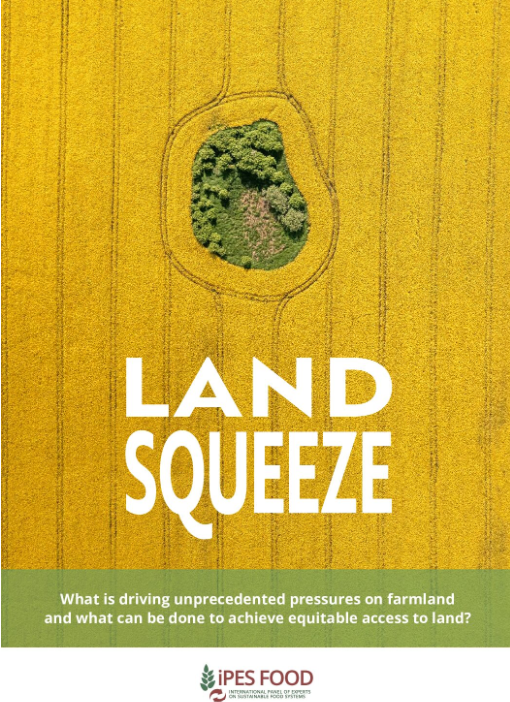
Land Squeeze – New release from the IPES Food
The struggle for land and the preservation of seed diversity are deeply interconnected. As land is increasingly monopolized by large entities, the diverse farming systems maintained by small-scale farmers and seed savers are being eroded.
As mentioned in the latest IPES report “Land Squeeze“, the access to and control over land has been shaped by long-standing processes of discrimination, oppression, and dispossession. Today, farmers, pastoralists, Indigenous Peoples, and marginalized groups are facing renewed threats as the pressures on land evolve and multiply, while new generations face huge barriers to accessing land and entering agriculture”
Drivers of Land Squeeze
The report released by IPES Food presents 4 drivers of what they call Land Squeeze:
Driver 1. Land grabbing 2.0: deregulation, financialization & rapid resource extraction
Driver 2. Green grabbing: big conservation, offsets & the green energy agenda
Driver 3. Expansion & encroachment: mining, urbanization, and mega-infrastructure developments
Driver 4. Food system reconfiguration: agri-food sector industrialization & consolidation

IPES Food recommendations
The recommendations from the IPES Food report provide a roadmap for addressing the drivers of the Land Squeeze and ensuring that land and agricultural resources remain in the hands of those who are best equipped to steward them—farmers, pastoralists, Indigenous Peoples, and marginalized communities.
- Build integrated land, environmental, and food systems governance to halt green grabs and ensure a just and human rights-based transition.
- From commodity to community: get speculative capital out of land markets and get land into the hands of farmers.
- Forge a new social contract, and a new generation of land and agrarian reforms.
FAO resources on millets
2023 was International Year of Millets (IYM2023) and all the resources collected and created during last year’s events are now available online.
These include a series of webinars detailing the social, economic and environmental benefits of millets, plants with a vast heritage and enormous potential.
Recipe booklets are also available to enable use of these resilient plants.
SAVE the DATE – 13th LLD Forum 2024 at Sow Your Resistance, in France
The European Coordination Let’s Liberate Diversity! invite you to participate in the LLD Forum from the 3rd o the 5th of October in the beatiful city of Antibes, France.
Let’s come together, exchange and learn together about cultivated diversity and dynamic seed management!
This edition of the Forum is hosted at the International farmer seed gathering “Sow Your Resistance” with an unique programme offering a wide range of activities, events and workshops. There is one unique registration that gives you access to both the International meeting and the 13th edition of the LLD Forum.
When:
- Field visits (optional) : 1 October – 2 October
- LLD Forum/International farmer seeds gathering : 3 October – 5 October
Where:
- Field visits : in different farms in France/Italy (see map)
- LLD Forum/International farmer seeds gathering : In the beautiful city of Antibes, France
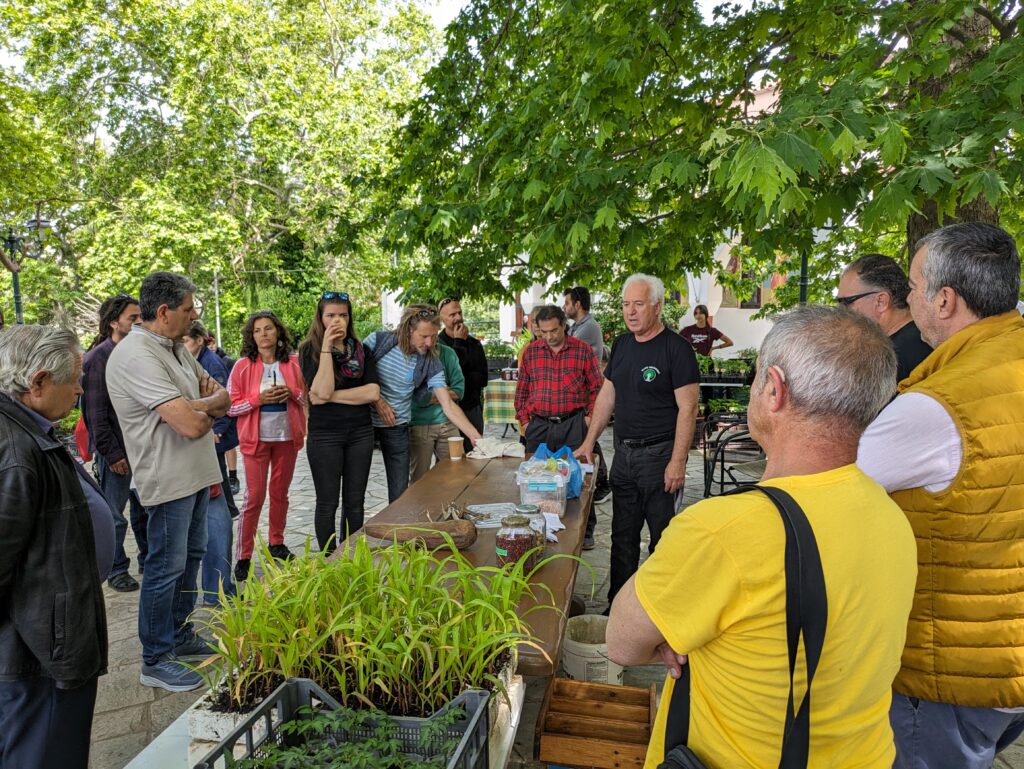
DiverSeedPath – A New Perspective on Network and Exchange: The Traditional Seed and Ecological Gardening Festival in Volos, Greece
Introduction:
The Traditional Seed and Ecological Gardening Festival, held in Stagiates Village, Volos, Greece, on May 18th and 19th, was a remarkable event dedicated to exploring people, seeds, and ideas. This festival provided a platform for fostering connections, exchanging knowledge, and inspiring action. As a partner of the EU Erasmus+ project DiverSeedPaths, ECLLD participated with the aim of strengthening networks and promoting exchange among diverse communities.

Sharing Stories of Seeds and Migration:
On the first day of the festival, an engaging storytelling workshop took place. This workshop created an opportunity for individuals to share their personal stories about migration, seeds, and human solidarity. It was a key moment to hear how immigrants carry not only their physical seeds but also their “cultural seeds,” which encompass memories, knowledge, ideas, and personal narratives. By sharing these stories within a supportive community setting, participants learned from each other about the connections between seeds and migrants, from the epistemic (the word for exile in Turkish also means seedling) to practical approaches of people bringing seeds and cultivating new varieties which are now part of a culture co-developed across communities.
This connection between migrants and seed savers has opened up new perspectives regarding cultivated diversity and locally adapted crops. Furthermore, it has offered interesting insights on how to create stronger networks across different movements, with seeds becoming a symbol of solidarity.
Seed Saving Practices:
On the second day of the festival, seed savers from Greece (AEGILOPS & SITO) joined forces with European organizations such as ECLLD and RSP to exchange experiences related to seed saving practices, resilience and the deeper driver of migrations with migrants, farmers, gardeners, and local citizens or visitors. The highlight of this day included valuable discussions on “The Anthropogeography of Peoples, Seeds, and Ideas” These discussions enabled migrant-refugee organizations and diverse community movements dedicated to common goods such as water quality and dynamic growth to interact, broaden perspectives, and strengthen resilient, inclusive societies. These interactions help investigating the root drivers of migrations and recognizing the experience, knowledge and potential for innovation that these communities bring with them as cultural seeds.

Plants & Local Products:
In addition to fostering connections between different communities and enlarging perspectives, the event also provided practical benefits. Participants had access to nursery plants featuring traditional vegetable varieties. Local growers offered organic products derived from traditional varieties. Additionally, vibrant local cuisine delighted visitors who sampled diverse quality foods during their time at the festival. Special thanks are extended to Apo.Drasis (a local village group located in Pelion) and Stagiates Village’s citizens for extending hospitality throughout this memorable occasion. The involvement and contributions made by organizations like Volos Immigrants’ Center, the French organization EKO (Project Positive Actions for Humans & Nature), and other political, economic, and environmental immigrant entities greatly enriched this gathering by sharing unique stories and experiences.
Conclusion:
Overall, the Traditional Seed and Ecological Gardening Festival held in Volos, Greece, served as a catalyst for building bridges, reinforcing contacts, and promoting collaboration among individuals from various backgrounds. Its focus on migration, social movements, solidarity, and inspiration opened up new perspectives regarding humanity’s relationship with both the environment and each other. Communities emerged stronger, enlightened, and inspired, moving forward together toward inclusive societies that effectively tackle the root causes leading people away from home. Furthermore, this event showcased practical solutions through seed saving practices, nursery plants, and local products that promote sustainability. This celebration will undoubtedly leave its mark, paving the way for future initiatives that foster sharing, knowledge transfer, and collective actions aimed at shaping our world into one rooted in resilience, hope, and unity.
Looking Ahead
Inspired by the success of this inaugural event, the DiverSeedPaths project is enthusiastic about organizing a new workshop in Thessaloniki on June 7th. This upcoming workshop aims to continue building networks, exchanging ideas, and fostering actions around seeds and migration. If you are interested in participating or learning more, please contact us at info@liberatediversity.org.

EU agrobiodiversity conservation at risk
The administrative burden that would kill small producers of biodiverse seed
The Umbrella Organisation for Cultivated Plant and Livestock Breed Diversity in German
Speaking Countries (Dachverband Kulturpflanzen- und Nutztiervielfalt e. V.) issued a press release calling for Member States’ representatives to advocate against those resolutions of the EU Parliament which, if approved, would have a huge impact on producers of biodiverse seed.
Under current legislation, the sale of biodiverse seed varieties for non-commercial use is expressly permitted in limited quantities in some Member States, while in most other countries it is not considered an ofference and therefore allowed. However, under pressure from the seed industry, the reformed legislation would require standardisation, imposing the same administrative burdens on those selling even the smallest quantities of seed as the large and multinational companies.
While the EU Parliament speaks highly of agrobiodiversity conservation, their resolutions would in practice destroy the structures that are in place to support it most effectively. In fact, biodiverse seed is often sold by professionals who produce the seed themselves, concentrating on a limited number of species and varieties, grown , harvested, cleaned, stored, packaged and labelled with artisanal methods. Seeds are then sold direct on their websites or at events and seed festivals, which builds professional networks and favours the exchange of experiences, both integral parts of preserving diversity.
Beside failing to protect cultivated plant diversity in the fields and gardens of the EU, the EU Parliament’s decision would not fulfil the requirements of the FAO International Treaty on Plant Genetic Resources for Food and Agriculture (ITPGRFA) which the EU is a party of, or those of Article 19 (‘Right to Seed’) of the UN Declaration on the Rights of Peasants and Other People Working in Rural Areas (UNDROP).
The opportunity is still there to stop such detrimental legislation from coming into force, by calling for the exemption of agrobiodiversity conservation as a whole, including specialised micro-enterprises, from the new EU seed regulation. This must be done during the trialogue negotiations between the Commission, Parliament and Council of Ministers.
Read the press release in English and in German.

NOW ONLINE: Liveseeding Practical Guide Seed Drying & Storage
The Practical Guide for drying and storing vegetable seeds in organic small-scale and on-farm seed production is now available online in French and English.
We’re thrilled to announce the launch of LiveSeeding latest publication on seed quality: The Practical Guide for Drying and Storing Vegetable Seeds in Organic Small-Scale and On-Farm Seed Production, now available online in both French and English!
Developed within the context of the LiveSeeding project, this guide is a comprehensive resource for anyone involved in seed production.

Seed quality is paramount for successful crop emergence and establishment. The germination rate and vigor of seeds directly impact their ability to withstand environmental stresses and ultimately determine the crop’s performance. However, during storage, seeds naturally age and their quality diminishes due to oxidation. This deterioration process is influenced by factors such as moisture level, oxygen presence, and temperature.
This guide addresses these crucial aspects, offering practical solutions for on-farm drying and storage that save both time and resources. It provides insights on efficient drying methods, maintaining seed dryness during storage, and safeguarding against oxygen exposure.
While it’s well-known that seeds should be properly dried and stored in optimal conditions, practical challenges often hinder these precautions. Whether due to time constraints, resource limitations, or organizational difficulties, many seed producers struggle to implement best practices.
Through real-life examples, case studies, and actionable guidance tailored to specific context and objectives, the practical guide aims to alleviate these challenges empowering small-scale seed enterprises and on-farm producers to overcome obstacles and optimize their seed drying and storage processes.
EP Seeds Marketing Plenary vote – Arche Noah analysis from Seed diverstiy perspective
We are pleased to share with you a comprehensive analysis prepared by our member Arche Noah on the recent European Parliament (EP) plenary vote from a seed diversity perspective.
The document delves into crucial topics such as scope, definitions, rules for conservation organizations, and the exchange of Plant Reproductive Material (PRM) between farmers. Additionally, it discusses conservation varieties, Organic and Heirloom Material ((O)HM), obligations of professional operators, and governance. While not exhaustive, we believe it offers a valuable overview of the EP’s stance on these critical matters.
Furthermore, Arche Noah invite you to a lunchtime webinar where Fulya Batur will present the primary outcomes of the EP vote. This 1.5-hour webinar will elucidate the main changes proposed to the Commission’s seed marketing proposal by the European Parliament, focusing particularly on aspects pertinent to organizations and individuals engaged in agrobiodiversity conservation. Attendees will have the opportunity to pose questions and gain insights into leveraging the EP’s position for advocacy efforts in the council. The webinar is organized by Arche Noah, with the generous support of the Software AG Stiftung.
Webinar Details:
- Date: May 23, 2024
- Time: 12:00 – 13:30 PM Brussels
- Topic: ARCHE NOAH SAGST Webinar EU Seeds Marketing EP Plenary Results
Registration Link: Register here for the webinar
Upon registration, you will receive a confirmation email containing further details on how to join the webinar.
Additionally, for those interested, Arche Noah compiled some media reactions that shed light on how various stakeholders, including Euroseeds and others, are responding to the provisions aimed at promoting seed diversity:
- Seed World: Why Does Europe Struggle to Get a New Seed Law That Still Works for Breeders and Farmers?
- Euractiv: Parliament wants to ease seed marketing rules for conservation efforts
- AgroPages: KWS, Euroseeds and IFOAM’s reactions on European Parliament’s Plant Reproductive Material legislation vote
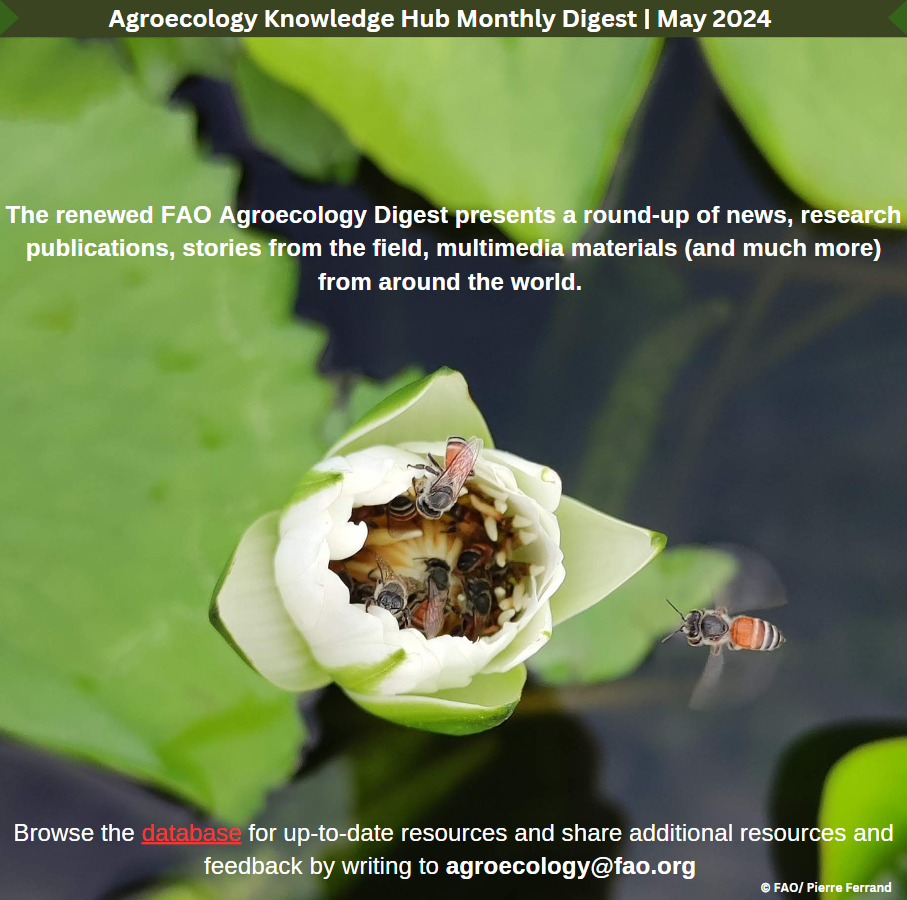
FAO Agroecology Knowledge Hub Digest
The FAO Agroecology Knowledge Hub is a point of reference for all involved in agroecology. The website offers agroecology tools such as a database of knowledge and a reference database of legal frameworks and policies concerning agrecology. In addition, email groups under the banner Family Farming & Agroecology Community of Practice facilitate knowledge sharing and discussion.
All this precious insights into the agroecological world you can now receive conveniently packed in a monthly Digest fto your mailbox. Below, you can scroll through, or download, the April 2024 issue of the Digest as a taster. It includes Germinate! a new exclusive column sharing the perspectives, insights and innovations of leading agroecology and food systems researchers and practitioners. If you want to suscribe, contact the Knowledge Hub.
Table of content
- InFocus: Farmers’ Protest Around Europe
- Germinate!
- Innovation
- Voices from the Ground
- From the Research World
- Multimedia
- Policy Briefs & Studies
- Upcoming Events
- Behind the Scenes
Seed legislation, seed marketing, advocacy, seed systems, scientific publication, school and seminar, patents
Agrobiodiversity, seed savers, seed networks
Plant breeding, LLD Forum, news from members, news from other organizations
– SEEDS STORIES –
DO YOU WANT TO STAY UPDATED??

The ECLLD - News! informs about events, ongoing projects and insights regarding cultivated biodiversity at European level.
We are very pleased with your interest in our challenges, our diversity is our strength!
-COMMON CALENDAR –
 On Schedule
EC-LLD! General Assembly (for EC-LLD! members only)Field Visits
- On Schedule
Official opening of the ForumField Visits
- On Schedule
WS1: Seeds, Biodiversity and the Right to Food: The Role of Municipal Food Policies
- On Schedule
WS 2: Seeds in Common: Genebanks, Breeding Innovation, and the Future of Democratic Seed Systems Sold Out
- On Schedule
WS 3: On-farm agrobiodiversity in the Balkan region: from preservation to plant population development
Submit an Event
Legal Watch
The legal watch is realised by the French Farmers’ seeds network, Réseau Semences Paysannes. Informations are related to seeds marketing, intellectual property rights, genetic ressources.
It is presented in French.
on EU topics
- Plateforme ACLP, Communiqué du 27 février 2025 - L’ACLP participe à la table ronde sur la propriété intellectuelle et les semences au Salon international de l’agriculture de Paris 2025
- Convention sur la diversité biologique, Communiqué du 24 février 2025, Le Fonds de Cali est lancé en marge de la reprise de la session de la COP16
- OMPI, Communiqué du 5 décembre 2024 - Le Malawi est le premier pays à ratifier le Traité de l’OMPI sur la propriété intellectuelle, les ressources génétiques et les savoirs traditionnels associés
- Confédération suisse, Avis du Conseil fédéral sur le rapport de la CSEC-N relatif à la prolongation du moratoire sur le génie génétique, 29 janvier 2025
- ACLP, Communiqué du 5 février 2025 - L’ACLP organise une session d’information pour les décideurs politiques de l’UE