In this paper, Pimbert compares and contrasts the mainstream and agroecological approaches to the transformation of food systems.


In this paper, Pimbert compares and contrasts the mainstream and agroecological approaches to the transformation of food systems.

Pesticides are toxic and have multiple and complex impacts on the environment and our lives: these are analysed in some detail in the Pesticide Atlas 2022, a joint publication by Heinrich-Böll-Stiftung, Friends of the Earth Europe, Bund für Umwelt und Naturschutz, and PAN Europe. Available in both English and German.

A new paper discusses the different sides of the digital sequence information (DSI) debate, by analysing the ongoing legal vacuum for DSI and the potential of open-source seed as a social movement and governance mechanism across physical and digital spheres.

Grounded in UN human rights declaration and inspired by a policy analysis comparing EU and Indian legislation, this research provides EU policy recommendations to embed rural citizens’ human rights in the EU plant variety right system.

“To get to know this diversity better, we take you on a journey through Europe from north to south, visiting the pioneers of organic plant and animal breeding.
With their diverse and unique activities, they are contributing, not only to ecological, but also to societal resilience. “
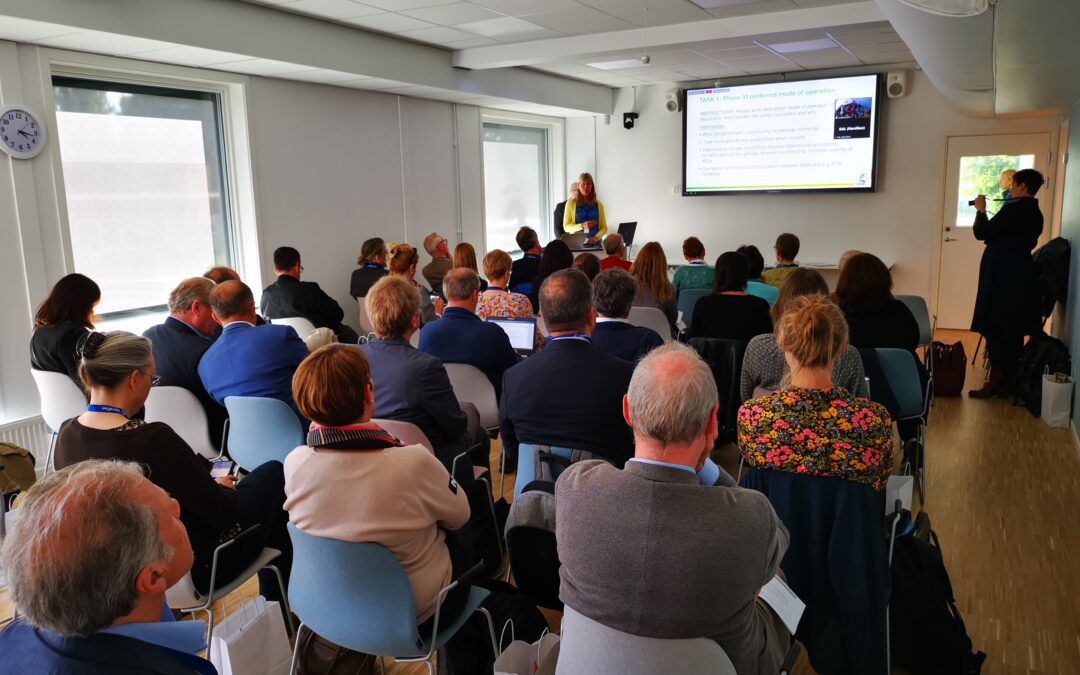
Dylan Wallman from Föreningen Sesam, swedish seed savers, participated at the the 16th ECPGR meeting. The meeting, organized in collaboration with NordGen, was held in Malmö, Sweden, gathering National Coordinators from 28 countries and observers from NordGen, the FAO Plant Treaty Secretariat and the European NGOs.

The 2022 edition of “The World of Organic Agriculture” was launched on February 15, 2022 at a virtual event organized by BIOFACH, IFOAM – Organics International and the Research Institute of Organic Agriculture FiBL.

From 1992 to 2014, economic capital per capita (wealth) doubled and human capital per capita (the set of skills acquired) increased by 13 per cent, while natural capital per capita (comprising soil, geology, air, water and all living organisms) declined by almost 40...
Agroecology calls for a global approach, integrating scientific, practical, and advocacy dimensions, to redesign agricultural systems based on ecological and socio-cultural processes and emphasizing biodiversity. Click here to read the DIVERSIFOOD published article

Ten years of UPOV implementation in francophone Africa Ten years of UPOV implementation in francophone Africa Click here