Slide presentation on Moldova’s agricultural context and proposals to protect farmers’ seed rights through community seed banks, capacity building, and stronger international legal protections (ITPGRFA Art.9, UNDROP).
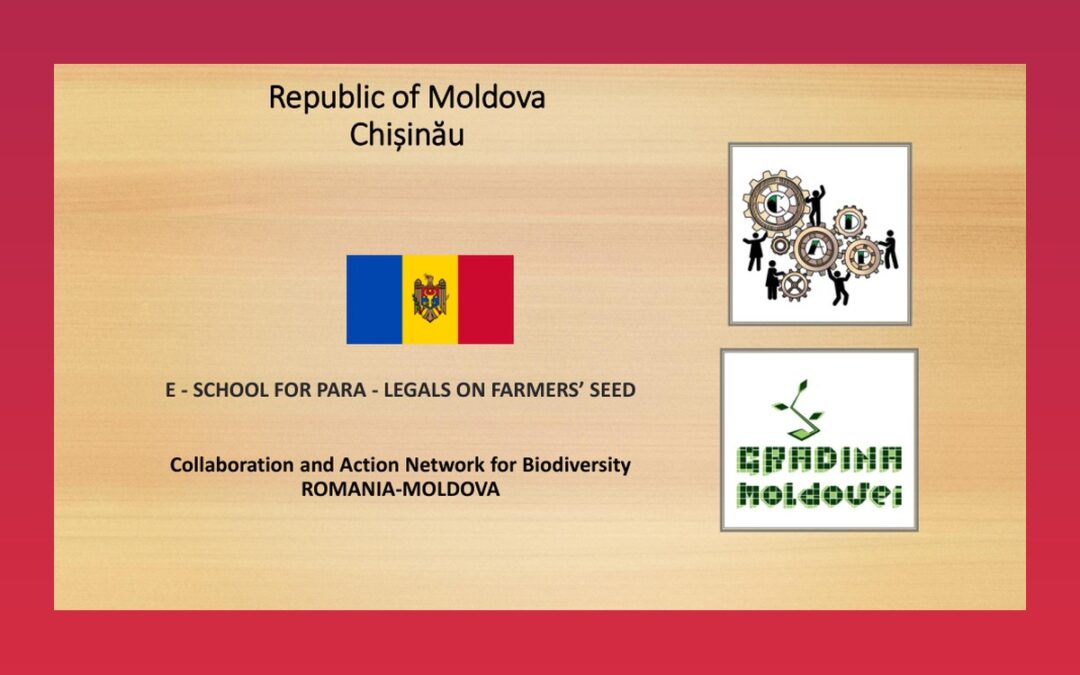

Slide presentation on Moldova’s agricultural context and proposals to protect farmers’ seed rights through community seed banks, capacity building, and stronger international legal protections (ITPGRFA Art.9, UNDROP).
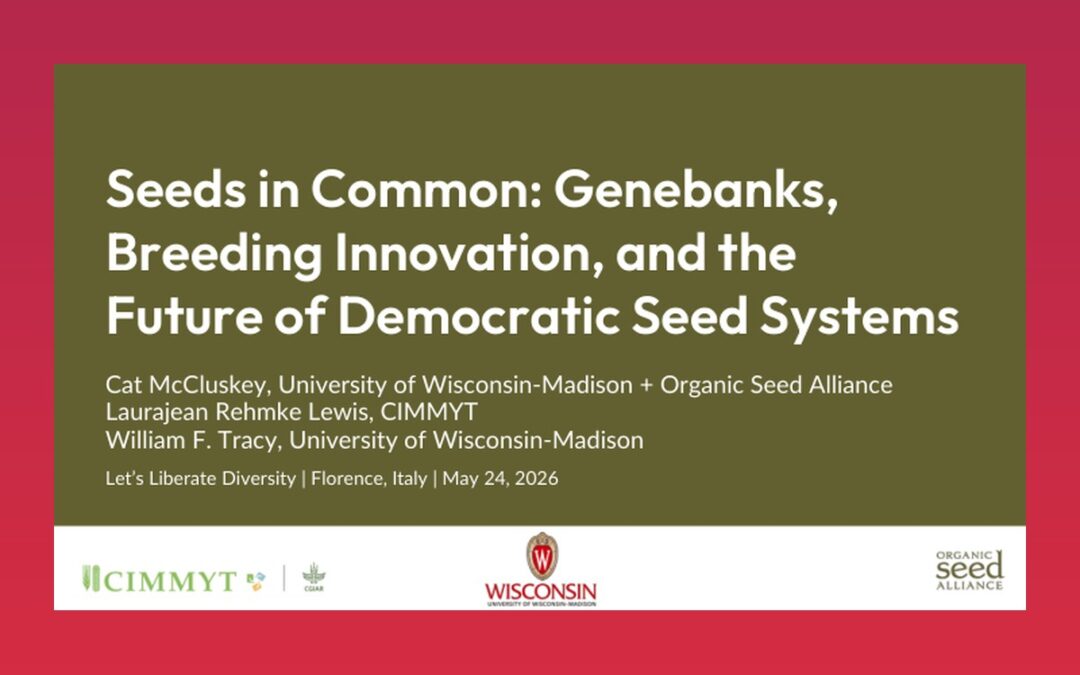
Presentation on genebanks, CIMMYT collections, Plant Treaty governance, IP impacts and data gaps, and the need for in situ conservation and community stewardship.
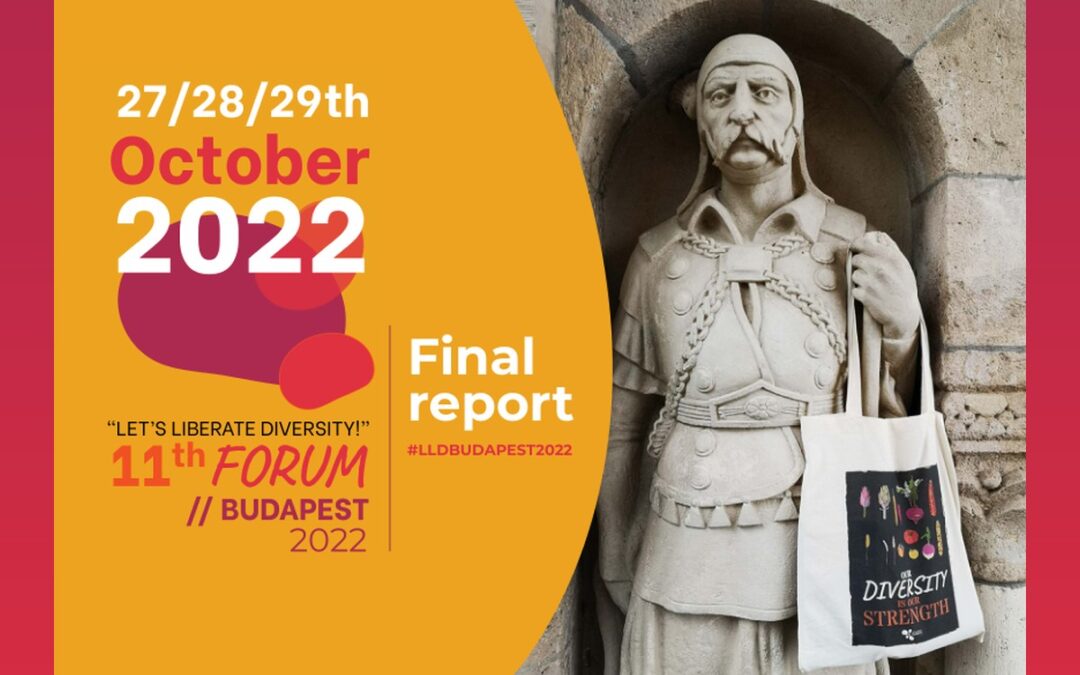
Final report of the 11th Let’s Liberate Diversity! Forum (Budapest, 2022) documenting workshops, outcomes and resources on seeds, agrobiodiversity, EU seed policy, patents, participatory breeding and community seed systems.
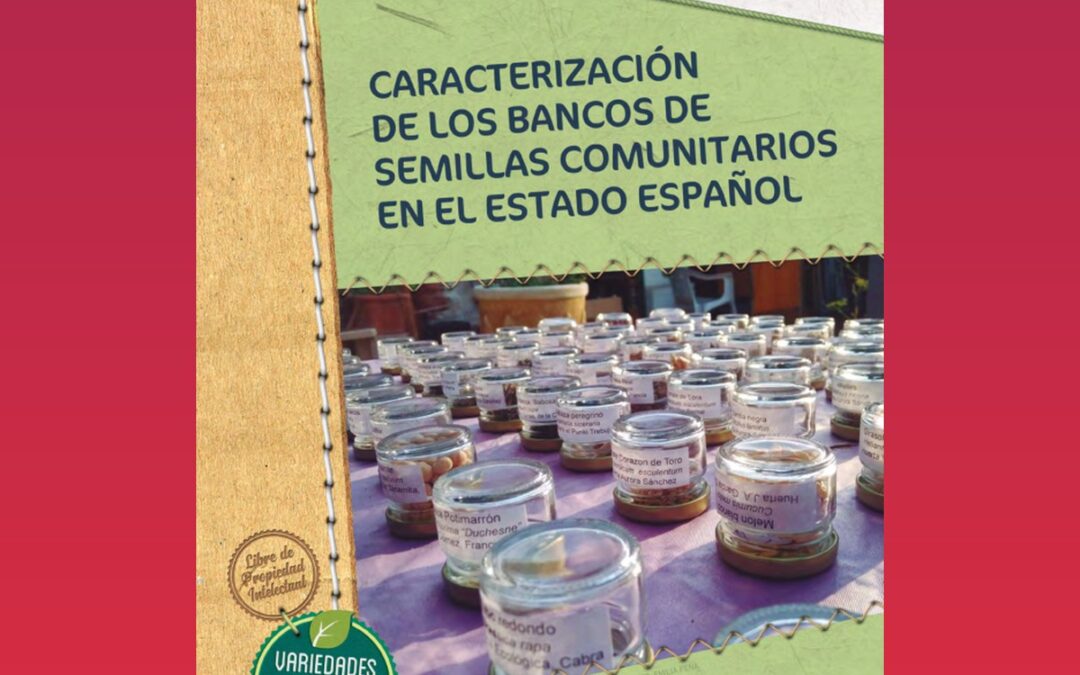
Survey-based 2018 report mapping 30 Spanish community seed banks: profiles, activities, governance and challenges. Finds volunteer-driven conservation and exchange of local varieties, limited resources and need for institutional support.
Examines how CSA, LSPA and PGS strengthen producer-consumer ties to support on-farm seed production, agroecological practices and cultivated biodiversity, linking seed sovereignty to food sovereignty.

Malaysia is being pressured to adopt a restrictive seed monopoly system that undermines farmers’ rights, biodiversity, and the right to food. Stand in solidarity with Malaysian smallholder farmers and defend their right to seeds! Sign the letter in this post by 10 January 2026.

The Peliti Community Seed Bank in Greece needs our support. Contribute however you can and help spread the message!
The Gaia Foundation Seed Sovereignty Programme celebrates #SeedWeek: a regenerative future starts with seed!

The Gaia Foundation Seed Sovereignty Programme published a video looking at Irish growers who, amongst the chaos of Brexit and climate change, are chasing security and hope for the future by returning to growing and saving seed. Seeds and people have shaped each other...

A new paper discusses the different sides of the digital sequence information (DSI) debate, by analysing the ongoing legal vacuum for DSI and the potential of open-source seed as a social movement and governance mechanism across physical and digital spheres.