Policy brief proposing a legal definition of organic plant breeding and urging EU-level extension of adapted DUS/VCU rules to register Organic Varieties and ensure OHM notification across species.


Policy brief proposing a legal definition of organic plant breeding and urging EU-level extension of adapted DUS/VCU rules to register Organic Varieties and ensure OHM notification across species.
Practical, step-by-step guidance on drying, measuring humidity (eRH), packaging and storing vegetable seeds for organic small-scale and on-farm production to maximise vigour and shelf life.

Full text of the FAO International Treaty establishing a Multilateral System for access and benefit-sharing of plant genetic resources, Farmers’ Rights, governance and implementation measures.

Brochure (June 2025) by Brot für die Welt and HEKS/EPER linking the EU seed marketing reform to the right to food; analyses Commission proposal and Parliament position, and recommends measures to protect farmers’ rights and agrobiodiversity.

A 2025 manifesto urging European municipalities and governments to prioritise cultivated biodiversity in local food policies, with policy recommendations, a 2050 vision, and 32 practical actions across governance, production, procurement and waste.
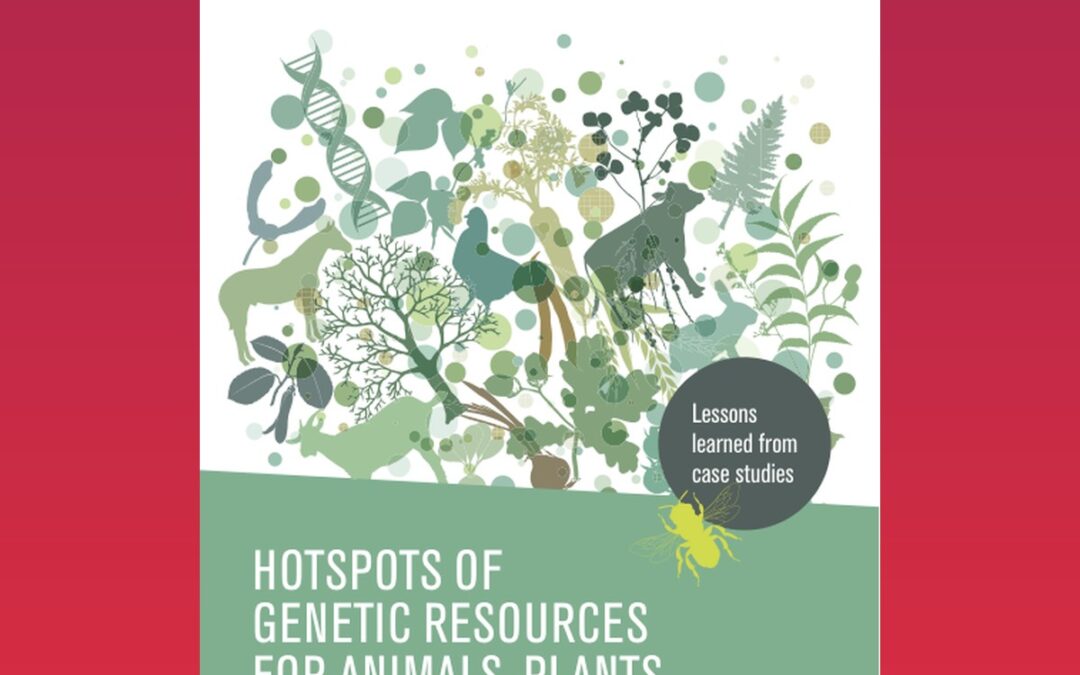
Analysis and demonstration of landscape-based hotspots of plant, animal and forest genetic resources, proposing integrated conservation, indicator development, stakeholder-led management and local value chains.

ECPGR (2017) concept proposing a European strategy for on-farm conservation of PGRFA, with five priorities: inventory, indicators, good practices, agro-diversity sites, and legal/technical solutions.
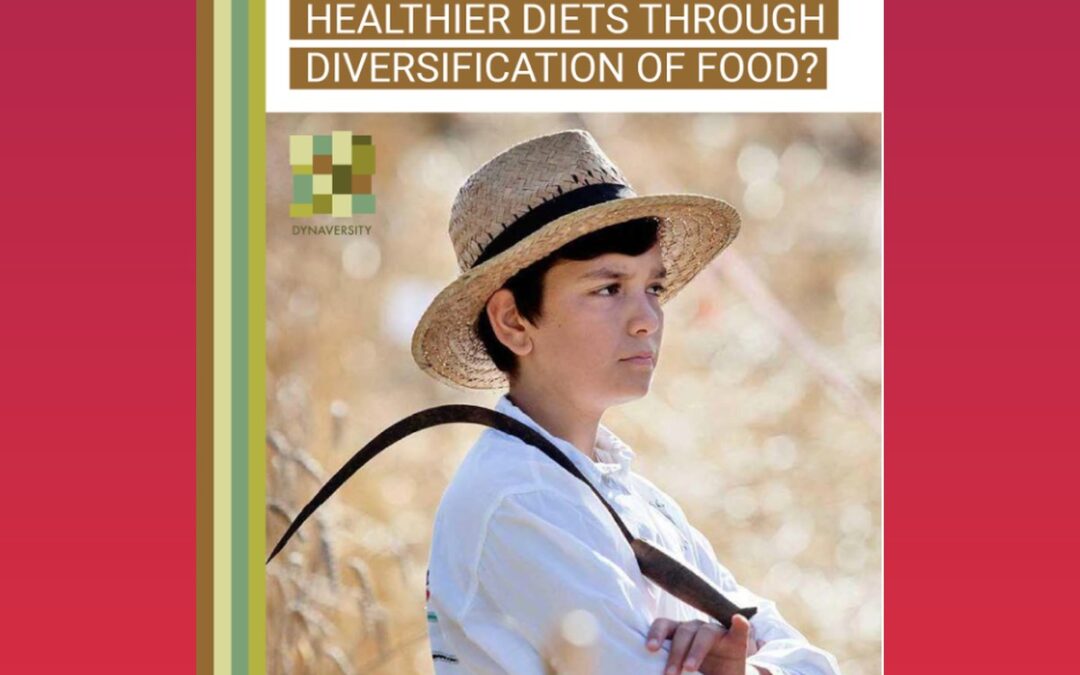
Desk study examining links between agrobiodiversity and health; compares institutional, technology‑centred (biofortification) and civil‑society discourses; highlights nutrient decline, varietal differences, and the need for holistic agroecological approaches.
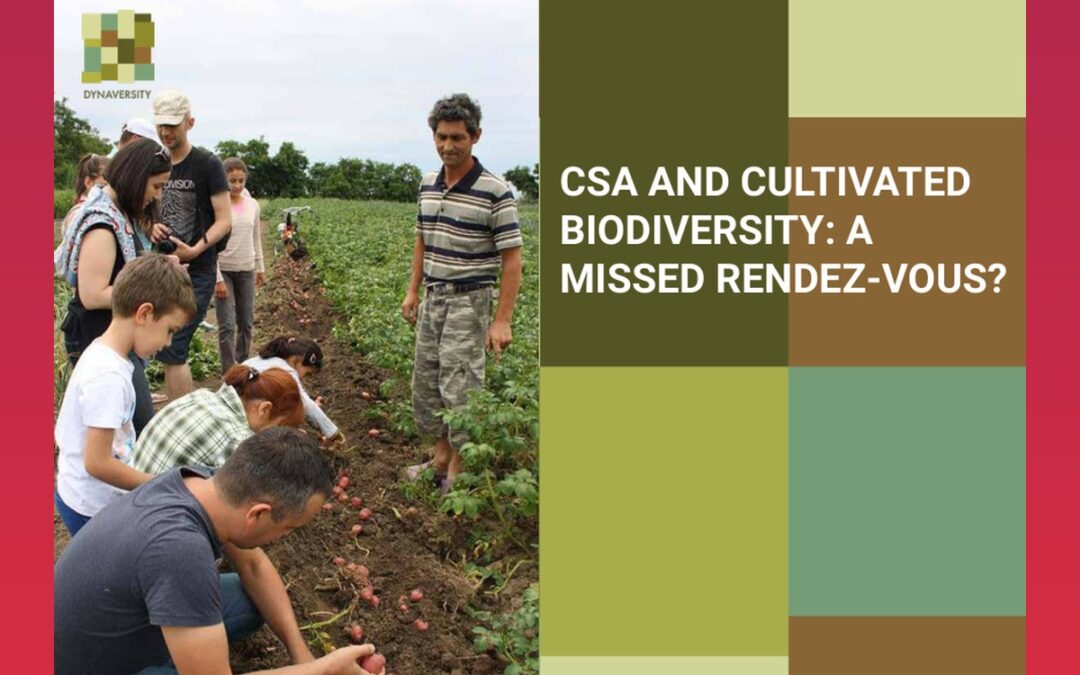
DYNAversity/URGENCI report mapping CSA practices on cultivated biodiversity (75 responses, 13 countries). Finds mixed use of modern and traditional seeds, limited direct consumer roles, and recommends training, communication and stronger CSA–seed network links.
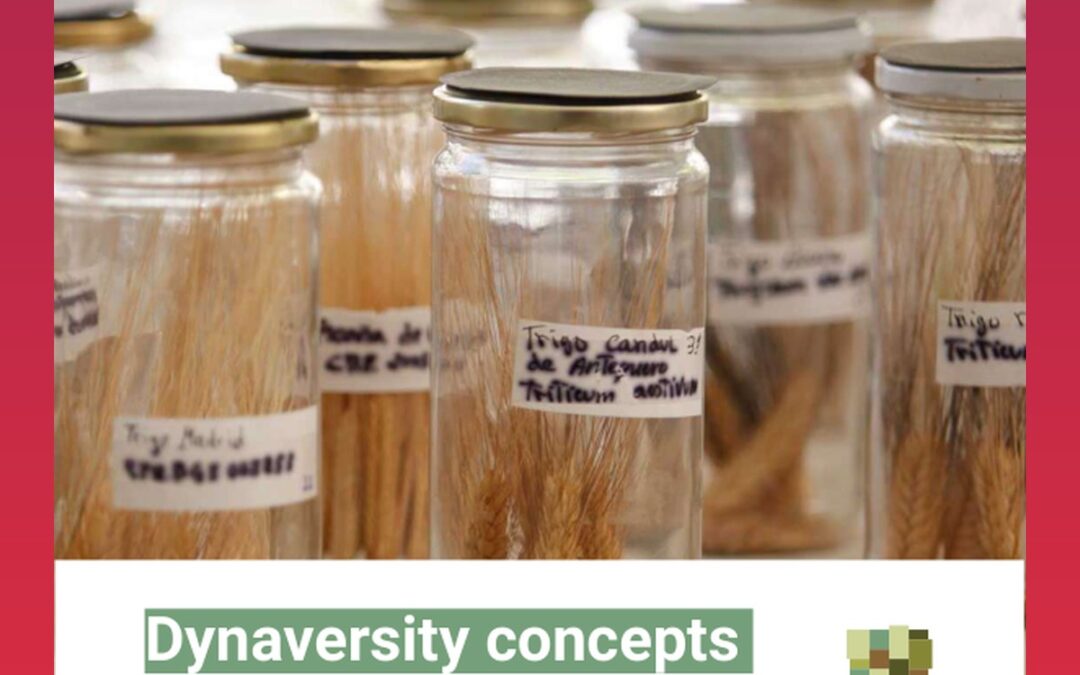
DYNAVERSITY‘s summary of five key concepts for agrobiodiversity: seeds and varieties, seed networks, conservation (in situ/ex situ), governance (ITPGRFA, farmers’ rights), and diverse agroecological food systems.