From September 4–6, Luxembourg hosted the 14th edition of Let’s Liberate Diversity! Forum, which brought together more than 120 participants from over 20 countries across Europe and beyond. Over the course of three days, the Forum featured a rich program with contributions from more than 50 speakers, including farmers, researchers, academics, and representatives of NGOs.
Day 0: Let’s Liberate Diversity! General Assembly
The opening day was dedicated to the General Assembly of the European Coordination Let’s Liberate Diversity! (EC-LLD). Highlights included the adoption of a new statute, the launch of upcoming initiatives on European seed legislation reform, the presentation of new projects and partnerships, and the welcoming of a new member: Polerani, a seed saver organisation from Bulgaria. With this addition, EC-LLD now brings together members from 23 countries.
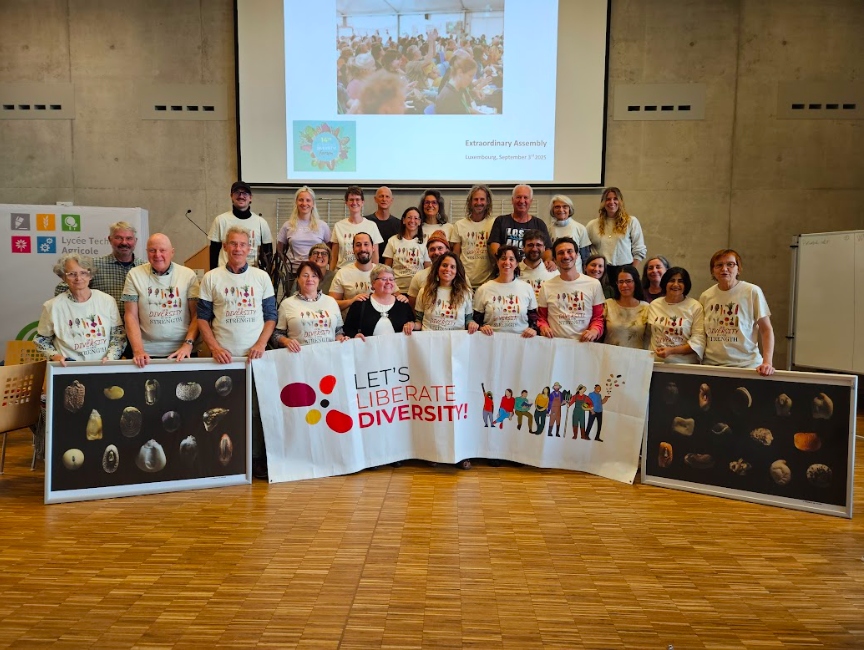
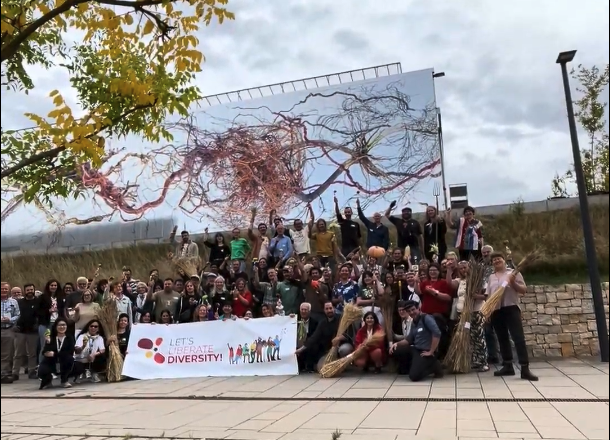
Let’s Liberate Diversity! Members at the end of the General Assembly
Day 1: The start of the 14th Let’s Liberate Diversity! Forum! with workshops and a first social dinner
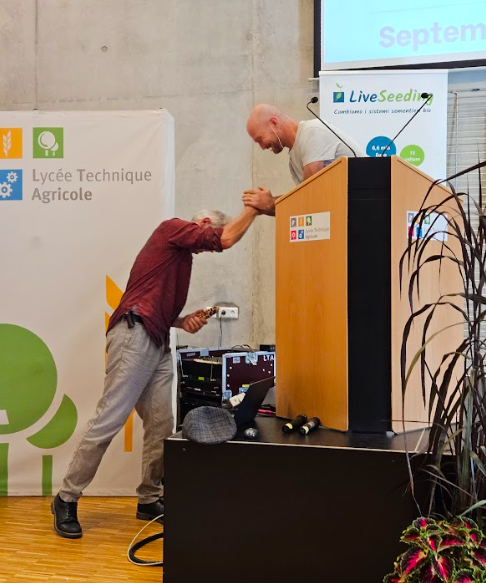
The handover ritual: from LLD 2024 in France to LLD 2025 in Luxembourg.
From the second day onward, the Forum came alive with its symbolic ritual: the handover between the 2024 and 2025 editions. This year, the gesture was marked by the passage of a maize cob from Maxime Schmitt, representing MSPM and host of the 2024 edition, to Frank Adams of SEED Luxembourg, co-organizer of the 2025 Forum. The 2024 French edition, held alongside the “Sème Ta Résistance” event, had welcomed more than 500 participants, you can see the full report of the previous edition here. This year’s program featured 18 workshops, offering a wide range of spaces for exchange and learning. Farmers, researchers, seed savers, activists, and policymakers came together to explore pressing issues such as European legislation, the implications of new genomic techniques (NGTs), and strategies to strengthen seed sovereignty and biodiversity. The workshops combined practical experiences from the field with policy discussions and collective reflections, creating opportunities to share knowledge, build alliances, and set future priorities, including through the launch of a global survey designed to map the ecosystem of actors working on farmers’ seeds. Beyond the workshop sessions, participants also enjoyed moments of conviviality, including a shared social dinner that strengthened connections and celebrated the spirit of the Forum.
Day 2: Morning workshops, tastings, and a diversity market
The second day of the Forum closed in the morning with the workshop sessions and an open circle for sharing outcomes and next steps. In the afternoon, panel tests, tastings, and the diversity market took place. We were honored by the presence of Luxembourg’s Minister of Agriculture, M. Hansen, who took part in the activities and met with producers.
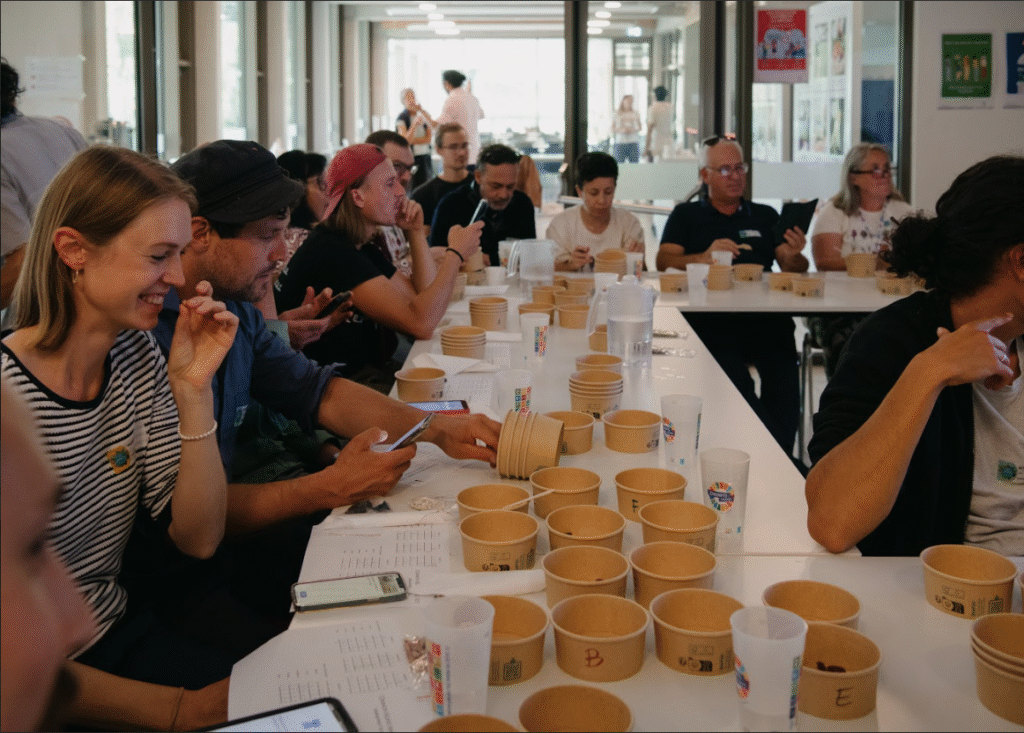
Participants joined guided tastings of local apple varieties from Switzerland and Luxembourg, sampled beers brewed with traditional grains, explored seven varieties of legumes, and enjoyed Gentil Pasta made with local Tuscan cereals—turning theory into a tangible experience of agrobiodiversity. Many of these foods not only help preserve agricultural biodiversity in the fields but are also nutritionally superior. In fact, numerous scientific publications confirm that flours from local grains have beneficial health properties, particularly for people with diabetes. Meanwhile, a lively market featuring more than 25 producers further showcased the richness of Luxembourg’s local and traditional products.
Legumes agrobiodiversity. Seeds from EVA network within Rete Semi Rurali project
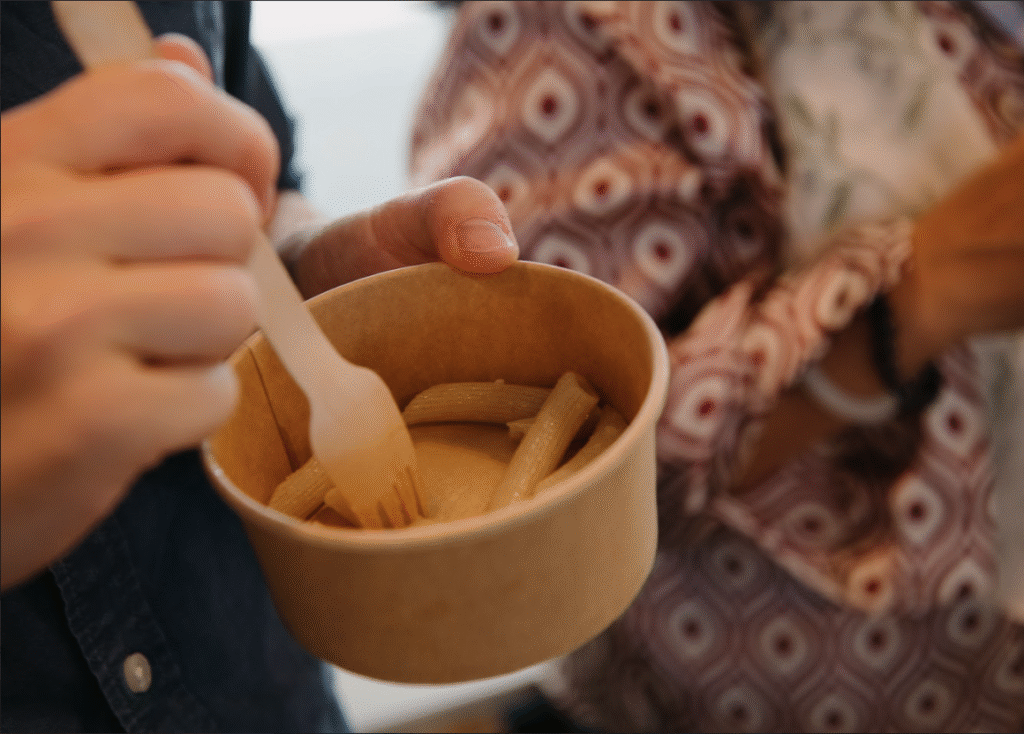
Tasting Gentil Pasta, made from local wheat varieties from Tuscany
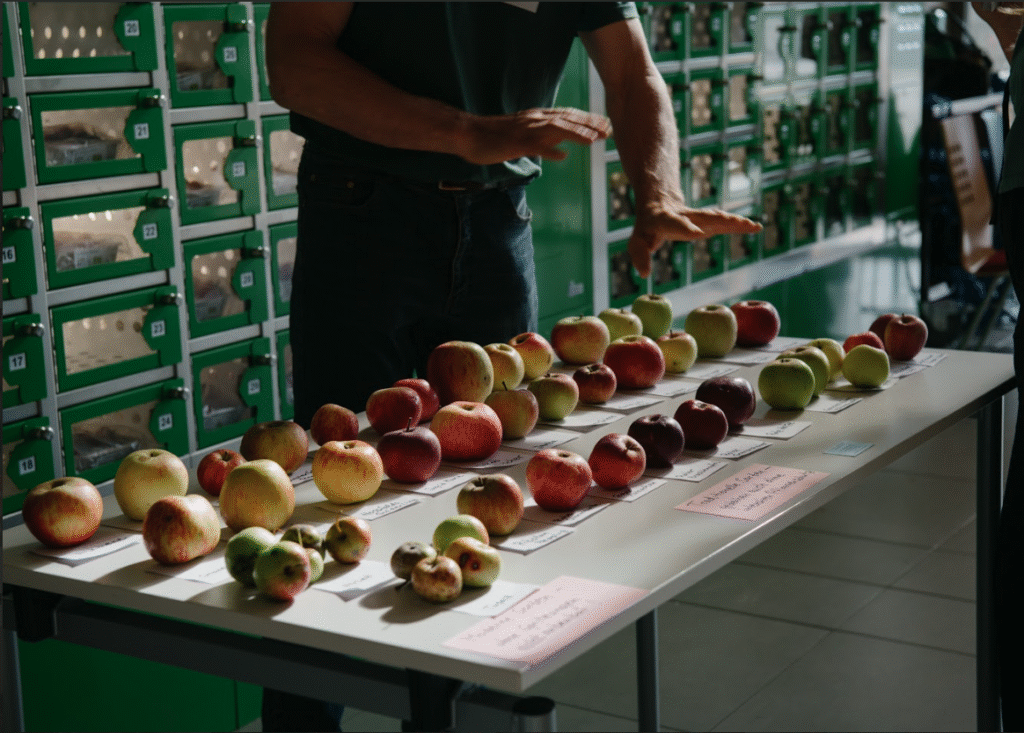
Variety development and utilisation strategies of old fruit tree cultivars of Hans-Joachim Bannier
Day 2: Closing the day with the conference ” Patents Vs Biodiversity”
Alongside the workshop discussions, the day celebrated how cultivated biodiversity can reach our plates. A public conference addressed the timely and contested theme of “Patents vs. Biodiversity.”
The event provided a space for dialogue among farmers, legal experts, researchers, and civil society, examining the growing tension between intellectual property regimes and the collective stewardship of seeds and genetic resources. The debate highlighted the risks that restrictive patents pose to farmers’ rights and food sovereignty, while also showcasing avenues for advocacy and collaboration to protect biodiversity as a common good.
Day 3: Field Visits and Goodbyes
The final day of the Forum took participants out into the field, with visits to the hosting Agricultural Technical High School and a local seed company. These encounters added a practical dimension to the discussions.
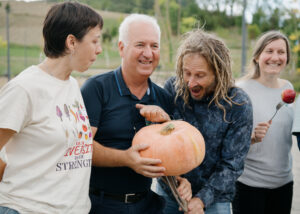
As the Forum drew to a close, attention turned from the program itself to the spirit that animated it. Beyond the discussions, workshops, and field visits, convivial moments, shared meals, informal exchanges, and celebrations, proved essential for fostering collaborations, building common narratives, and giving new energy to the movement.
©AlexandraBaumgartner
The Let’s Liberate Diversity! Forum has once again confirmed its role as a key gathering for all those engaged with seeds and biodiversity: a space where experiences intersect, connections are strengthened, and new perspectives for the future take shape.
The next edition will take place on 22–24 May 2026 in Scandicci (Florence), hosted by Rete Semi Rurali. We look forward to seeing you there!
LLD Forum