The Seed Knowledge Hub was built to keep the answers in one place. It is an open online repository hosted on the EC-LLD website, developed within Seeds ofGrowth, an Erasmus+ small-scale partnership in adult education (KA210), coordinated bySemínkovna (Czech Republic) with EC-LLD and SEED Luxembourg as partners.
The Hub brings together guides, technical manuals, case studies and policy materials on seed saving and cultivated diversity. What was included into it was decided on the basis of a capacity gap analysis that reached 868 people across Europe and collected 140 responses from seed savers, community seed bank managers and seed librarians.
The collection now holds over 80 resources and its growing thanks to the contributions of EC-LLD Members and the broader community. In the Seed Knowledge Hub you can also find the material from the LLD forums. The Hub grows with what the community puts into it. If your organisation has produced a guide, a manual, a template, a study or a policy briefing that others could use, write to info@liberatediversity.org and we will add it. Material in any European language is welcome.

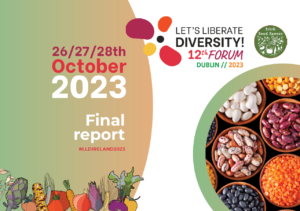
Organized by the European Coordination Let’s Liberate Diversity! (EC-LLD), the 12th Edition of the LLD! Forum event marked a significant milestone in the ongoing efforts to promote the dynamic management of agricultural biodiversity.
Liveseeding hosted a 3h webinar entitled “Hot Water Treatments to Sanitize Vegetable Seeds” on Tuesday, March 26th, co-organised by Bingenheimer Saatgut AG (DE), the French Organic Food and Farming Institute (ITAB, FR) and the European Coordination Let’s Liberate Diversity (EC-LLD, BE). People from 31 countries had registered for the webinar. Registrations included representatives of Community Seed […]

We are excited to announce the official launch of the DiverSeedPaths – Seeds and Migrant project! Our journey towards cultivating resilient and inclusive communities through the lens of agricultural biodiversity and seed co-evolution is about to begin.
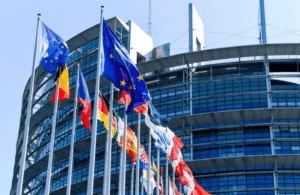
Vote on EU seed law: Industry attack on diversity largely defeated EU Parliament votes in favour of farmers’ right to seeds – but fails to strengthen the preservation of local and traditional varieties

The European Parliament confirmed its support for the deregulation of patented GMOs/NGTs, and opened the door to their dissemination without any traceability through the regulation on seeds marketing
The April 2024 issue of the APBREBES newsletter is published on their website. Topics: UPOV and smallholder rights, NGTS and EU regulation.
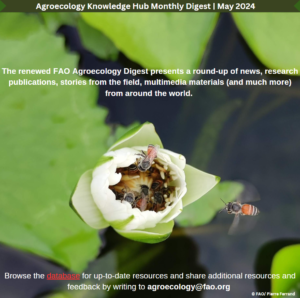
Read the April 2024 issue of the FAO Agroecology Knowledge Hub Digest, a taster of the insights into the world of agroecology that you could receive via email
The document delves into crucial topics such as scope, definitions, rules for conservation organizations, and the exchange of Plant Reproductive Material (PRM) between farmers. Additionally, it discusses conservation varieties, Organic and Heirloom Material ((O)HM), obligations of professional operators, and governance. While not exhaustive, we believe it offers a valuable overview of the EP’s stance on these critical matters.

The Practical Guide for drying and storing vegetable seeds in organic small-scale and on-farm seed production is now available online in French and English.

While an improvement on the EU Commission’s draft, the EU Parliament resolutions to be put into law still fail to support agrobiodiversity conservation. But there is still time for EU Member States to act.
Swedish agrobiodiversity activist Sivert Stiernebro has been conducting an educational campaign on the significance of seed diversity for farming and the impact of EU legislation on the availability of diverse seed. Sivert is keen to take his message to a wider audience and looking for local activists to help him share it far and wide.
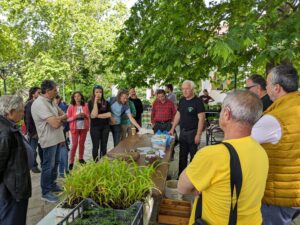
The Traditional Seed and Ecological Gardening Festival, held in Stagiates Village, Volos, Greece, on May 18th and 19th, was a remarkable event dedicated to exploring people, seeds, and ideas
The European Coordination Let’s Liberate Diversity! invite you to participate in the LLD Forum from the 3rd o the 5th of October in the beatiful city of Antibes, France.

Millets are resilient plants: they can grow on arid land with minimal inputs in changing climates. All resources created during IYM2023 are now available online
Showing 121-135 of 290 results
The Seed Knowledge Hub has been developed within the context of the Erasmus+ project Seeds of Growth: Strengthening Community Seed Banks and Sustainable Seed-Saving Practices in Europe (Project ID: KA210-ADU-1727BE52)

Funded by the European Union. Views and opinions expressed are those of the author(s) only and do not necessarily reflect those of the European Union or the Dům zahraniční spolupráce (DZS). Neither the European Union nor the granting authority can be held responsible for them.