Speakers
-
 Attila KrállAgri Kulti
Attila Králl biologist, ecologist. Over the past two decades, he has been working on nature conservation projects (mostly for BirdLife Hungary), with minor detours to cultural heritage protection – less in the field and more at the desk. He’s been also been involved in local resource-based rural development topics for the last 10 years: local food, short supply chains, and rural-urban relations. Recently the bordering areas of nature conservation and sustainable food supply excite him the most. Is it true that if natural diversity disappears from somewhere, it is not possible to grow healthy food there? To what extent are agro-biodiversity and wild biodiversity in agricultural areas related, can these two areas help each other in advocacy and communication? In general, he’s less active in research and more in practical implementations.
-
 Bálint BalázsESSRG
-
Béla BarthaPro Specie Rara
-
 Helene MaierhoferArche Noah
Helene Maierhofer (Arche Noah) engages in participatory vegetable breeding and research on vegetable diversity, coordinating cultivar trials on farms and research stations. She is coordinator of a participatory breeding working group of tomatoes.
-
 Judit FehérKVANN
Judit graduated as a biologist. Although she spent the first 6 years of her professional career in the field of immunology research, the protection of the environment and sustainable agriculture have always been important to her. In 2010, she started a family farm, collecting and growing landraces and traditional varieties. In 2012, with some like minded friends they initiated Magház, a civil network for agricultural diversity. Her professional life and personal interest finally united when she started to work at ÖMKi in 2017. Her main tasks are concentrated around seeds, cultivar trials, agrobiodiversity management and related policy issues.
-
 Marta W. VasconcelosUniversidade Católica Portuguesa – Porto
-
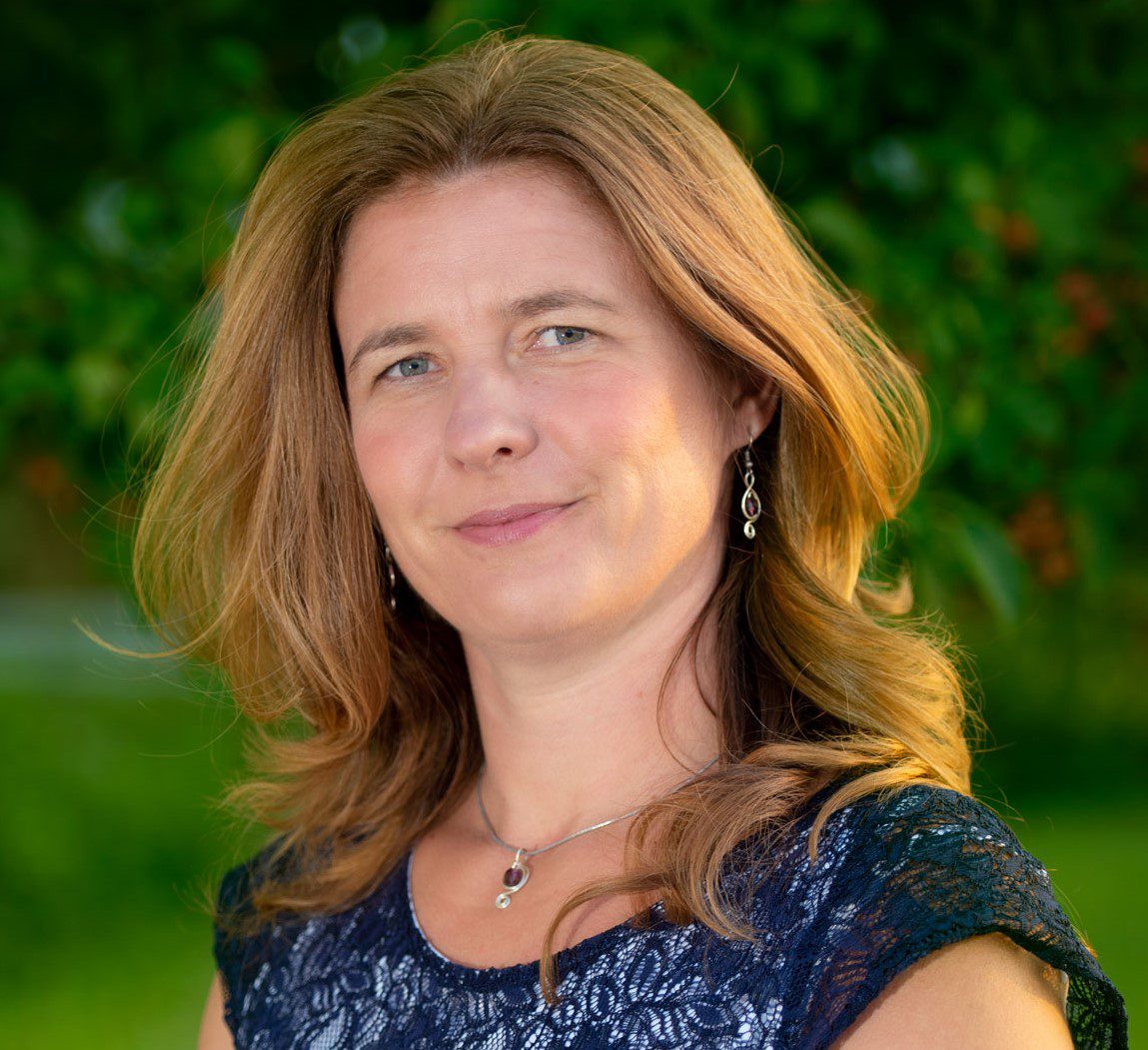 Orsolya PappÖMKi
I graduated as a horticultural Engineer in 2001 from the former University of Horticulture and Food Industry in Budapest. After my studies, I spent a few years on botanical research, which I consider to be an important foundation for organic farming, as my studies focused on natural ecological systems. For three years I managed the Pangea Association’s Breuer László Training Center in Bakony (Pénzesgyőr), where, as well as managing and maintaining the seven-hectare mixed organic demonstration garden, I conducted forest school classes and taught bio-horticulture. In the Krishna Valley of Somogyvámos, I was the leader of the production unit of organic vegetables for commercial purposes and a consultant for self-supply vegetable and fruit production units. I also managed the organic vegetable garden of the Zöldtanya at Szeged-Sziksóstó, which also operated as a community garden. At ÖMKi, I work as an officer of organic fruit, vegetable and medicinal herb cultivation, organizing research, training and professional advisory services.


- https://magnethaz.hu/
-
A place that provides space for programmes, lectures and discussions, focusing on community and social initiatives, sustainability, self-awareness and culture.
How to improve and reuse forgotten crops and cultivars
This workshop is part of of the 11th Let’s Liberate Diversity! Forum!
How to improve and reuse forgotten crops and cultivars.
🌱From (gene bank) freezer to fork.🌱
There is a vast, but non-utilised diversity kept in gene banks, while the available diversity of marketed seeds and crops has still not improved significantly. This is especially true when it comes to climate robust, drought tolerant cultivars in combination with a higher demand for locally sourced vegetarian diets.
In the frame of this workshop, we would like to share success stories and investigate how to adapt and upscale them in different regions. We will also discuss the main bottlenecks encountered along the way and how to overcome them by participatory and inclusive approaches.
Presentations:
1. Organic tomato landrace seedlings on the Hungarian market, results of on-farm research at ÖMKi, Orsolya Papp (ÖMKi)
2. Participatory breeding in Austria, Helene Maierhofer (Arche Noah)
3. COOP-eration for diverse seeds and crops, Béla Bartha (Pro Specie Rara)
4. Underutilised Crop Cluster for growing, processing, and commercialising underutilised crops, Marta W. Vasconcelos (Universidade Católica Portuguesa – Porto)
Workshop questions:
- >> How to navigate among gene bank accessions? Which accessions to try, means of selection, number of accessions selected for trial? Number of trial locations and years to achieve robust data. (facilitator Attila Králl)
- >> How to organise and fund participatory selection and/or centralised breeding? Climate adaptation of species/cultivars in combination with selection based on quality traits (nutrient content, protein content/quality, etc) (facilitator Judit Fehér)
- >> What is the protocol of seed producers, seed companies to include a cultivar in their assortment? (facilitátor Orsolya Papp)
- >> What ways of upscaling do we foresee (in Europe)? (Facilitator Bálint Balázs)