Speakers
-
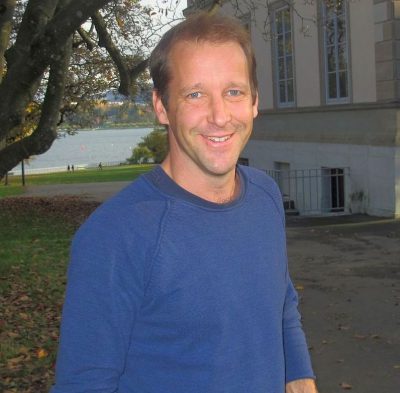 Christophe GolaySenior Research Fellow at the Geneva Academy
Dr Christophe Golay is Senior Research Fellow at the Geneva Academy. Since 2009 he has been providing legal advice to a number of stakeholders in relation to the negotiation, adoption and implementation of the UN Declaration on the rights of peasants and other people working in rural areas (UNDROP). He published extensively on the use of UNDROP to promote the right to seeds in Europe.
-
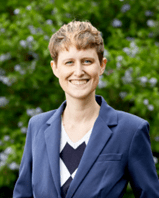 Magdalena PrielerSeed Policy Officer at Arche Noah
Magdalena Prieler is Seed Policy Officer at Arche Noah – She is a top graduate of international business enrolled in the Master program Socio-Ecological Economics and Policy. She gained working experience in Europe and Latin America in the fields of project management, sales and education. Since 2021 she is working at Arche Noah.
-
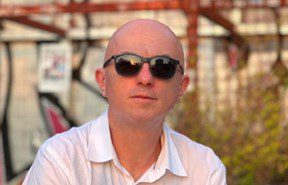 Riccardo BocciManager Director of Rete Semi Rurali
MSc in Agriculture, University of Florence he is the managing director of the Italian farmers’ seed network“Rete Semi Rurali. On behalf of Rete Semi Rurali he has been working on the following H2020 EU projects DIVERSIFOOD, DYNAVERSITY, LIVESEED, CERERE. He has been one of the five European experts on the Ad Hoc Technical Expert Group on Farmers’ Rights and vice chair of the Ad Hoc Technical Committee on Sustainable Use (ACSU) under the International Treaty on Plant Genetic Resources for Food and Agriculture (ITPGRFA). He has participated to the working group that delivered the Italian Guidelines for the Conservation of PGRFA, coordinated by the Ministry of Agriculture.
-
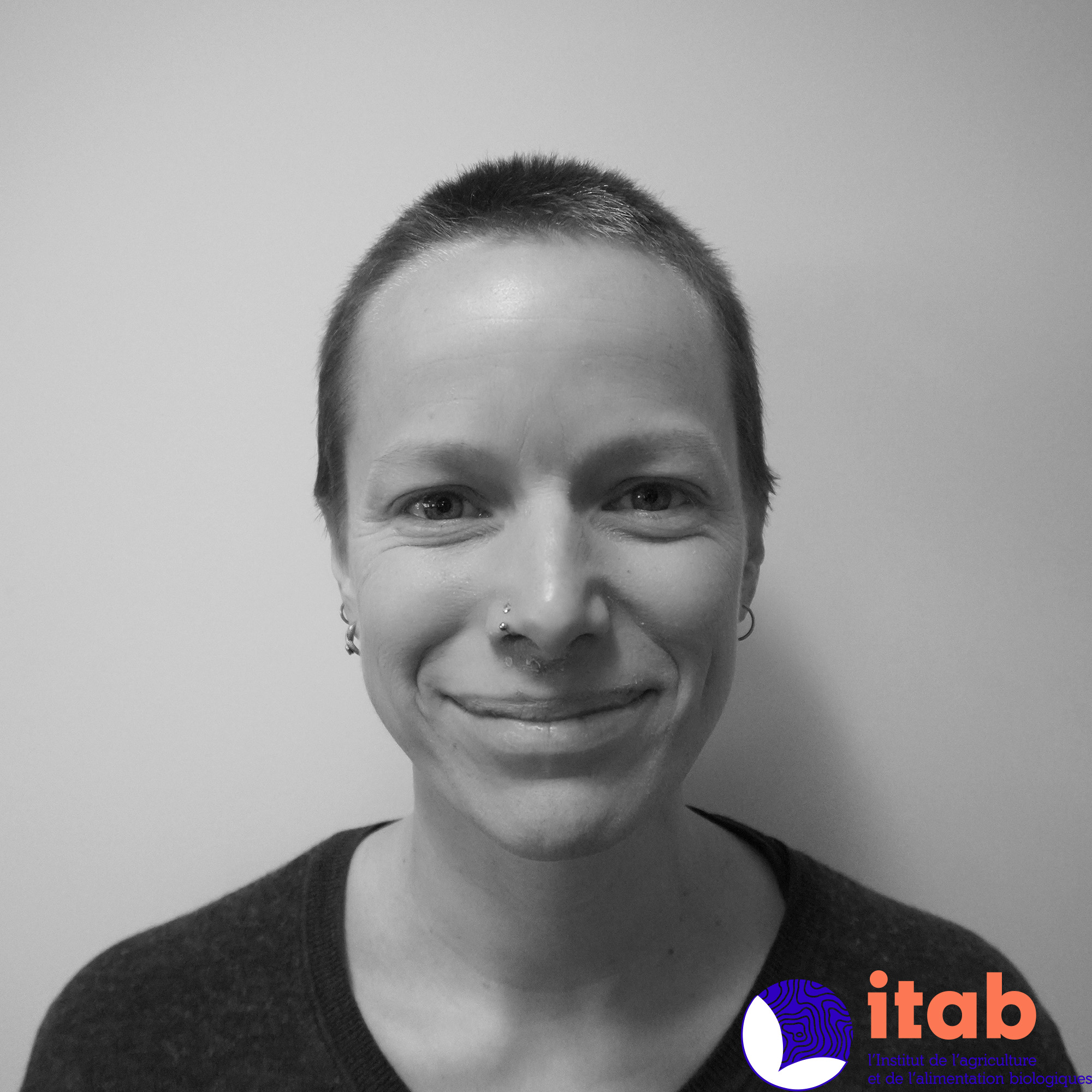 Stephanie KlaedtkeITAB
Stephanie KLAEDTKE is in charge of Seed Health and Cultivated Biodiversity at the French Institute for Organic Food and Farming (ITAB) since 2017.

SEED is a platform founded in 2012, and a registered association since 2013, is engaged in practical work, pedagogical and polical for the interantion and evolution of the diversity of ules plants. SEED promotes traditional varieties of fruits, vegetables and cereals as well as other plants. ules through the multiplication of seeds and seedlings and their utilisation in farms and gardens. Therefore, SEED supports the development of value chains for seed and seedlings of traditional varieties and their derivatives on local markets. SEED is also committed to the improvement of the legal status of traditional varieties, to the seed sovereignty of farmers, horticultivators and gardeners and the recognition of the profession of artisan seeds. Objecif: Cultivated biodiversity At the level of cultivated food plants, SEED bases its work for biodiversity on two axes: The genetic diversity of cultivated plants, which is expressed by the richness of traditional varieties in the different regions of the world, and The process of adaptation and evolution (on farm and in situ) of plants cultivated in the framework of the interactions plant-environment (symbioses with the soil microbiome, abiotic and biotic stresses, impact of farming methods etc.). SEED is not opposed to centralised and privatised seed production, but works to promote the promotion of local seeds and seedlings in decentralised systems. Locally cultivated biodiversity and seed sovereignty of the nations are considered two indispensable pillars for sustainable food security. The disappearance of traditional varieties, genetic erosion, 75% of which was identified by the FAO in 1999, is known to be a major cause of food insecurity still making progress since the beginning of the 21st century and must be stopped and reversed as a matter of urgency.




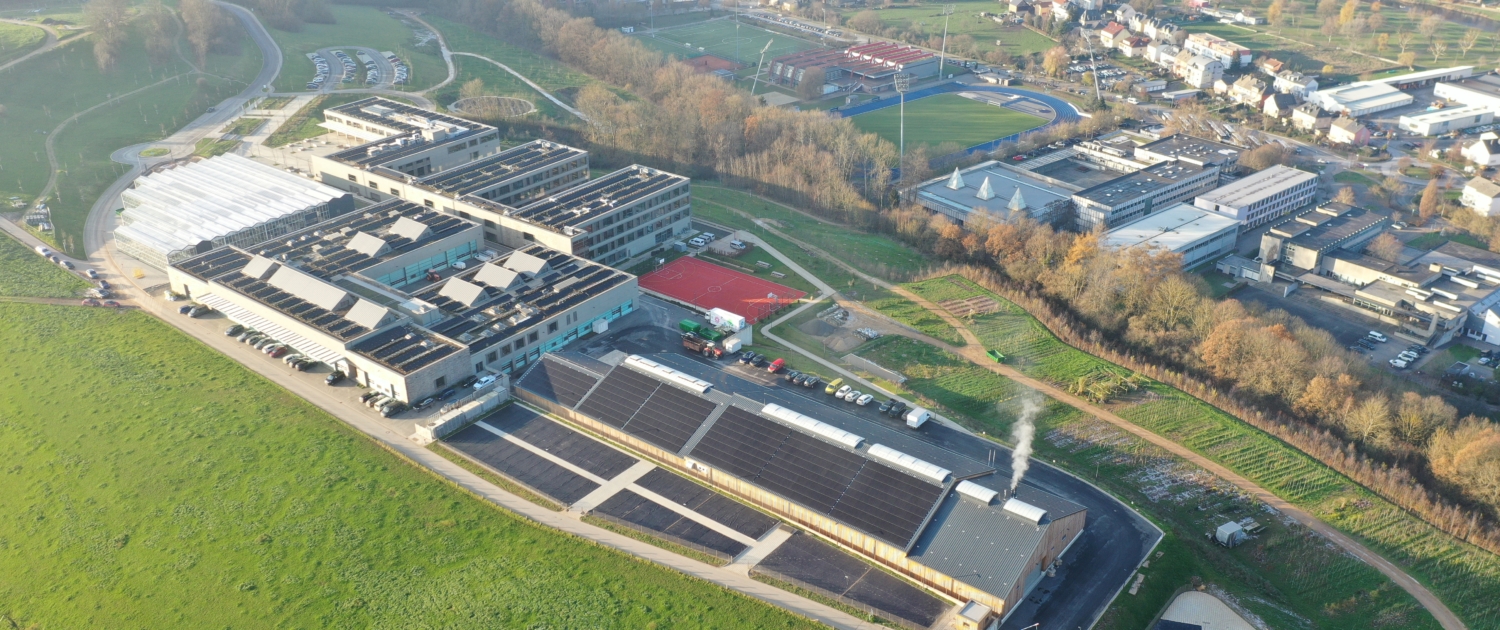
Conference – Farm to Fork – Seed to Plate Regional Seeds and Varieties for the Future of our Food
Conference and diversity fair on cultivated plant diversity
The full programme is available in PDF here.
Farm to Fork – Seed to Plate Regional Seeds and Varieties for the Future of our Food
- 18:00 Opening remarks to the conference by Luxembourg’s Minister of Agriculture Martine Hansen 18:10 Keynote speeches on the topic “Patents versus Biodiversity”
- 19:00 Round of experts from the field
- 19:50 Closing remarks
- 20:00 Vin d’honneur, walking dinner and live music
The conference ‘Patent Rights versus Biodiversity’ aims to provide information on the future of seeds and thus of food production. At a time when seeds are subject to increasing standardisation, centralisation and privatisation, arguments will be discussed that demonstrate the need to preserve regional varietal diversity. Speakers will give keynote speeches on this topic and experts will report on their practical experiences.
Keynote speeches
Riccardo Bocci: Agricultural engineer, Technical Director of Rete Semi Rurali, President of ECLLD
The keynote speech by R. Bocci deals with the relationship between crop diversity, regional seed systems and participatory plant breeding. Genetic diversity can only arise, be maintained and further developed in diversified regional systems. The value of traditional varieties lies not only in their role as genetic resources for plant breeding, but in their use in the context of a ‘living diversity’ that is cultivated in fields, passes through the hands of farmers and finally lands on people’s plates.
Stephanie Klaedtke: Doctor of Agricultural Sciences, Officer for Seed Health and Crop Diversity at ITAB, Angers, France
The keynote speech by S. Klaedtke discusses the question of the extent to which on-farm plant breeding and seed propagation represent a perspective for agroecological, food production that can simultaneously ensure long-term harvest security and food quality. On-farm plant breeding and seed propagation are based on ecosystemic interactions between plants and their environment and on continuous and progressive development and adaptation processes that strengthen the natural resistance of plants.
Christophe Golay: PhD in International Relations (specialising in international law), Senior Research Fellow, Geneva Academy of International Humanitarian Law and Human Rights
Golay’s keynote speech refers to the rights of peasants as defined by the United Nations in a declaration, including Article 19 on the unrestricted right to use, propagate and market farmers’ seeds. However, such seed sovereignty of farmers is increasingly under pressure from international free trade agreements and seed laws. How can this contradiction be resolved at the legal, political, economic and practical levels?
Magdalena Prieler: Master in Socio-Ecological Economics and Policy, Senior Policy Officer at Arche Noah, Schiltern, Austria
The keynote speech by M. Prieler describes the tension between the market rules for seeds and the work for crop diversity by organisations, farmers and gardeners against the background of the planned legal reform for the marketing of seeds in the European Union. What legal provisions are needed to ensure that the many regional stakeholders can freely pursue their work for diversity in the public interest and for the sustainable use of genetic resources for food and agriculture?
Panel of experts from the field
In the expert panel, three representatives from the cereal, fruit and vegetable sectors are asked about topics such as regional diversity, plant and seed health, variety development, agroecology, practical experiences and economic aspects. The panel will include:
- Grietje Raaphorst – Organic plant breeder
- Hans-Joachim Bannier – Pomologist, fruit producer and author
- Tijs Boelens – Market Gardener
- Ute Boekholt – Organic Vegetable seed producers
- Rosario Floriddia – Cereal grower