Speakers
-
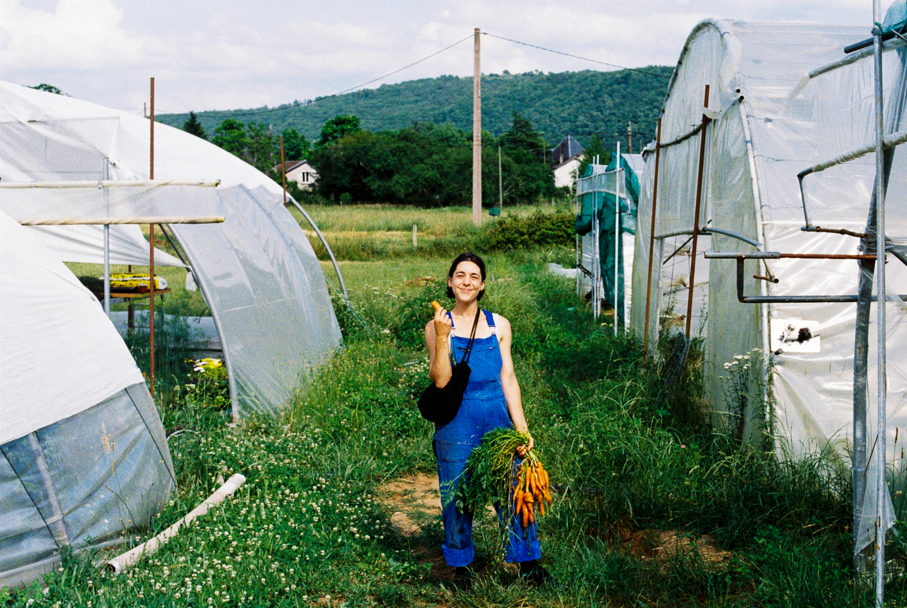 Adèle PautratSeeds4All
Holding a background in political science and international affairs, Adèle Pautrat brings seven years of experience in environmental and agrifood law, with a particular focus on seed diversity. She previously coordinated the Belgian non-profit association Artemisia and now serves as Project Manager at ARC2020, where she leads the development of the Seeds4All project.
-
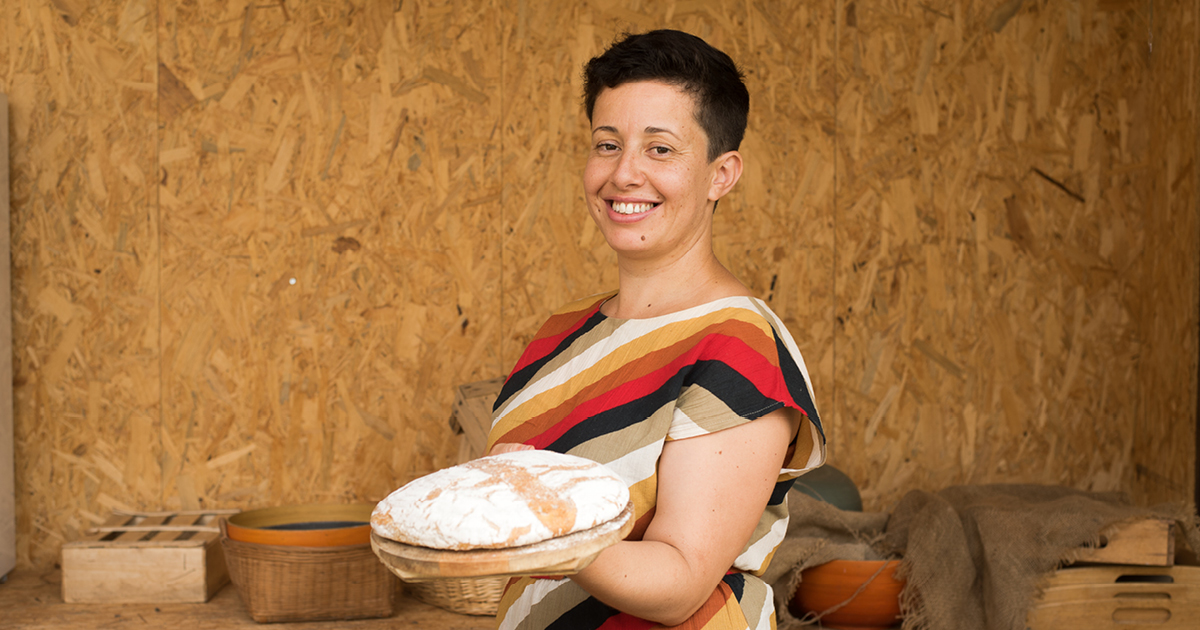 Fazia SmailAtelier du Pain Vivant
Farmer-baker and member of the Belgian organic farming network, Fazia trained in peasant seed cultivation with Nicolas Supiot in Brittany, France. Upon returning to Belgium, she began working at the Hayon farm, where she grows local grains for bread production. Today, she would like to set up a mixed farming operation and develop her own varieties adapted to her terroir and practices.
-
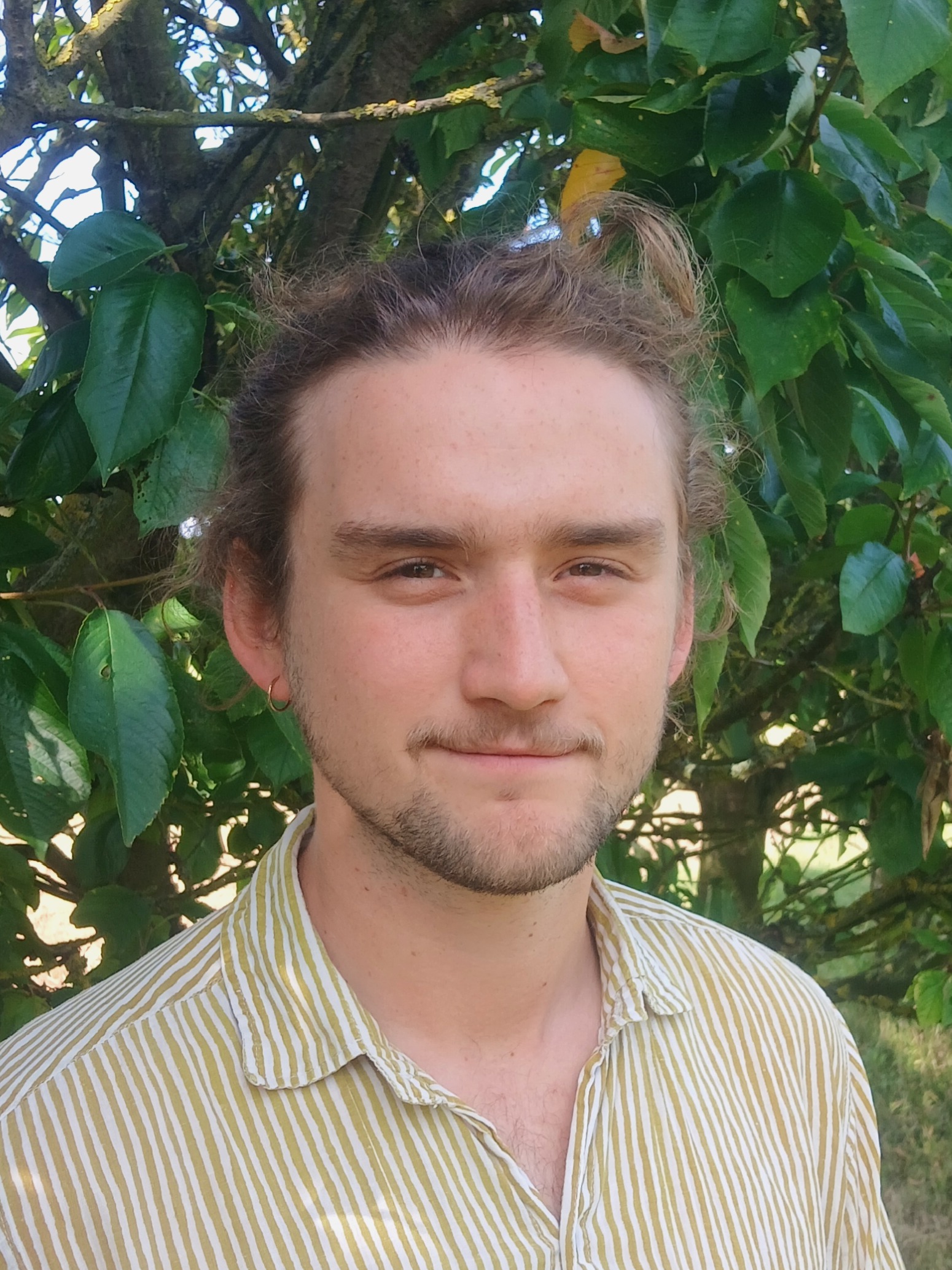 Julian MartensCRA-Wallonie
Researcher at the Walloon Agricultural Research center with a focus on organic vegetable breeding. He highlights the existing techno, economical models and the development of this value chain in Wallonia. His work received the 2024 HERA Award “Sustainable Food Systems” from the Foundation for Future Generations.
-
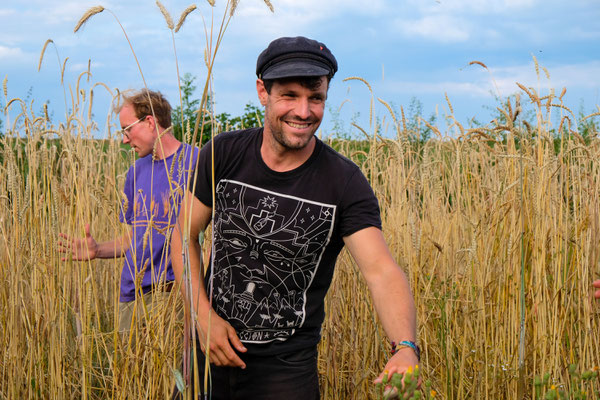 Tijs BoelensDe Groentelaar farm
Market gardener and cereal farmer in the Pajottenland region of Belgium, Tijs has initiated several cooperation projects bringing grain farmers closer to processors. He recently partnered with the Belgoo brewery to produce a local, peasant beer, Teirf, through which he plans to keep advocating for the development of short supply chains and cooperatives.
WS 16 – Seed Diversity Down to Earth
How can seed diversity be viable and profitable in future farming? We want to open a discussion and collect suggestions about the needs for infrastructure, exchange schemes and private/public support that would help boosting genetic diversity on farms and plates.
Heterogeneous and locally adapted seeds remain underutilised in today’s food and farming systems, hindered by several critical challenges: the high costs of selecting and producing seed at scale; limited access to diverse and reliable seed sources for farmers; lack of knowledge, expertise, and support for cultivating crop diversity; underdeveloped markets and distribution channels for diversified products. In light of these barriers, we ask: What does it take to enable a successful transition to seed diversity—one that also meets the demands of economic viability?